This guide is independent and contains no paid placement. Prices, pet rules and opening times change, especially over the festive period, so check the latest details with the property and any venue before you travel.
For dog friendly Christmas accommodation UK wide, book as early as possible, choose a quiet self-catering cottage with an enclosed garden and a walk from the door, and plan the festive details around the dog: hazards out of reach, a familiar routine, a quiet corner away from guests, and short daylight walks on Christmas Day and Boxing Day.
Book early for Christmas week
Christmas is the least forgiving week of the year to book late. Owners can sell the festive period without discounting, minimum stays are longer, and the properties that genuinely welcome dogs are a smaller subset of an already busy market. A cottage that sleeps six may accept no dogs at all, one dog only, or dogs downstairs only, and those details matter more when everyone is indoors for long stretches. Starting early is not about panic. It is about keeping a real choice between a noisy town centre flat, a sociable hotel and a quiet rural cottage, rather than taking whatever is left in December.
Work backwards from the dates your group can actually travel. Many Christmas lets run for a fixed block, often a week or a shorter set pattern around Christmas Day and New Year, and changeover days may not flex. Check arrival and departure times carefully in winter daylight: a late afternoon arrival on an unfamiliar lane, with a dog to settle and food to unpack, is harder than the same arrival in summer. Ask when the balance is due, what the cancellation terms are if snow, illness or a family change disrupts the plan, and whether a date move is possible. Get the pet permission, the number of dogs, any size or breed conditions and the full pet fee in writing with the booking confirmation.
Budget honestly. Christmas weeks usually sit at the top seasonal rate, and extras add up: pet fees, cleaning, logs for a fire, heating in an older property and festive food delivered or bought locally. Comparing the all-in total early helps, and our guide to cheap dog friendly holidays in the UK explains where savings are realistic without cutting the things a dog actually needs. If your first-choice area has gone, widen the map rather than compromising on the property itself. A less famous village with a safe garden and a footpath from the door will usually beat a fashionable postcode where every walk starts with a drive and every room is busy.
Choose a quiet, suitable stay
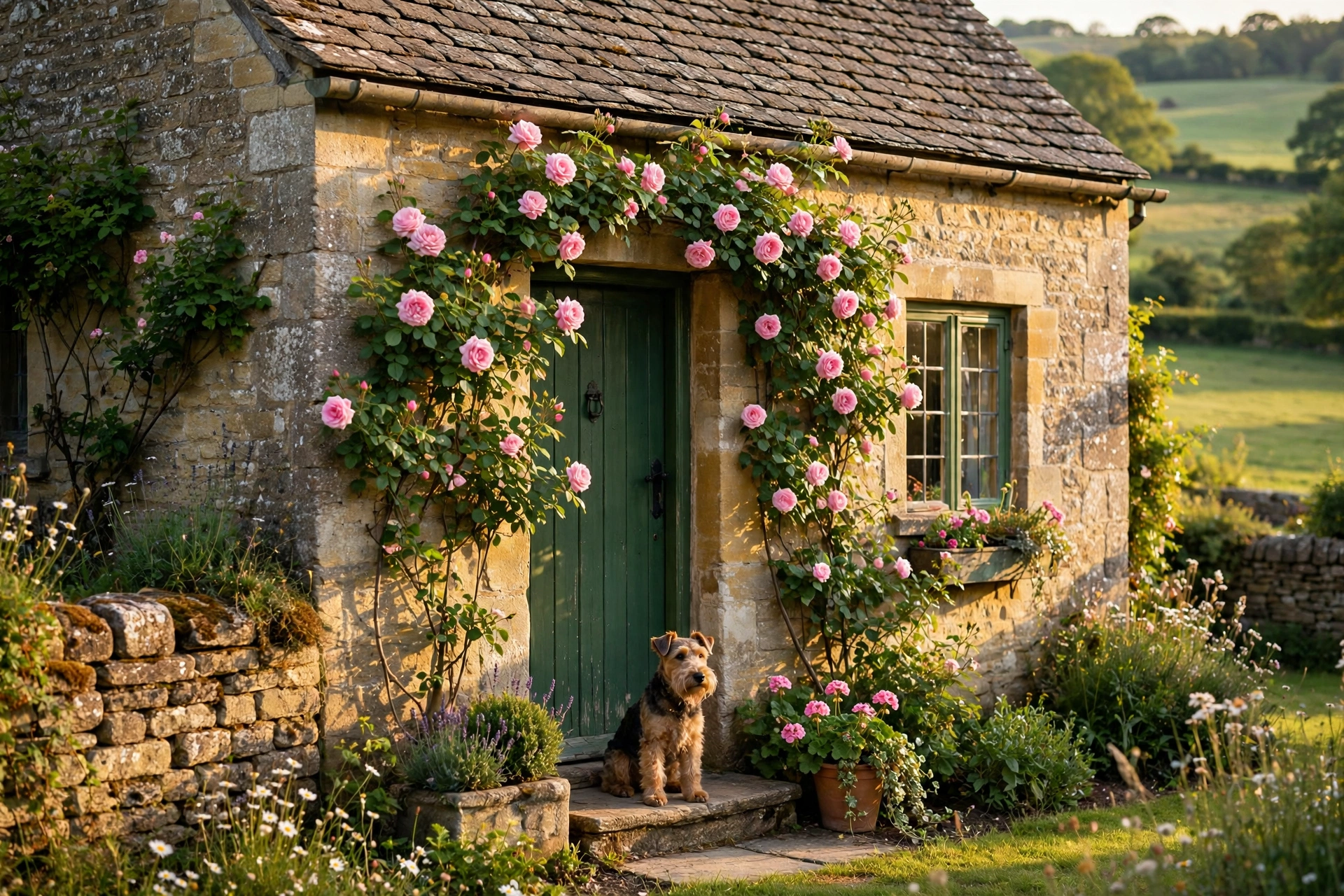
The best Christmas base for most dogs is boring in the right ways: self-catering, ground-floor sleeping or easy stairs, hard floors where muddy paws will land, a washing point or old towels by the door, and an enclosed outdoor space for the first and last toilet trips of the day. Our guide to self-catering stays with a secure garden covers fence heights, gates and the questions that reveal whether enclosed really means enclosed. At Christmas that garden matters even more, because the alternative is a lead walk in the dark every time the dog needs the toilet, often while guests arrive or food is being served.
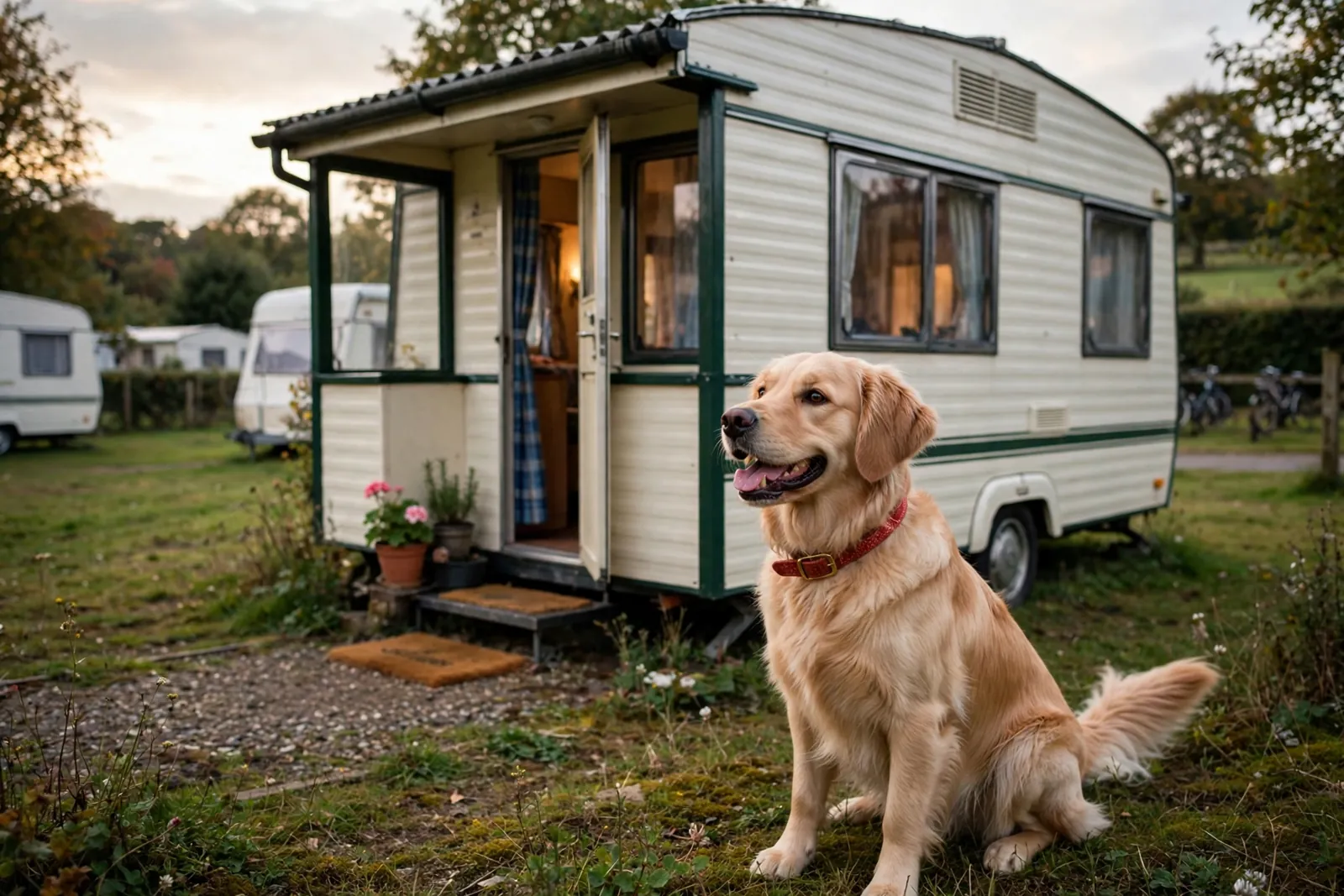
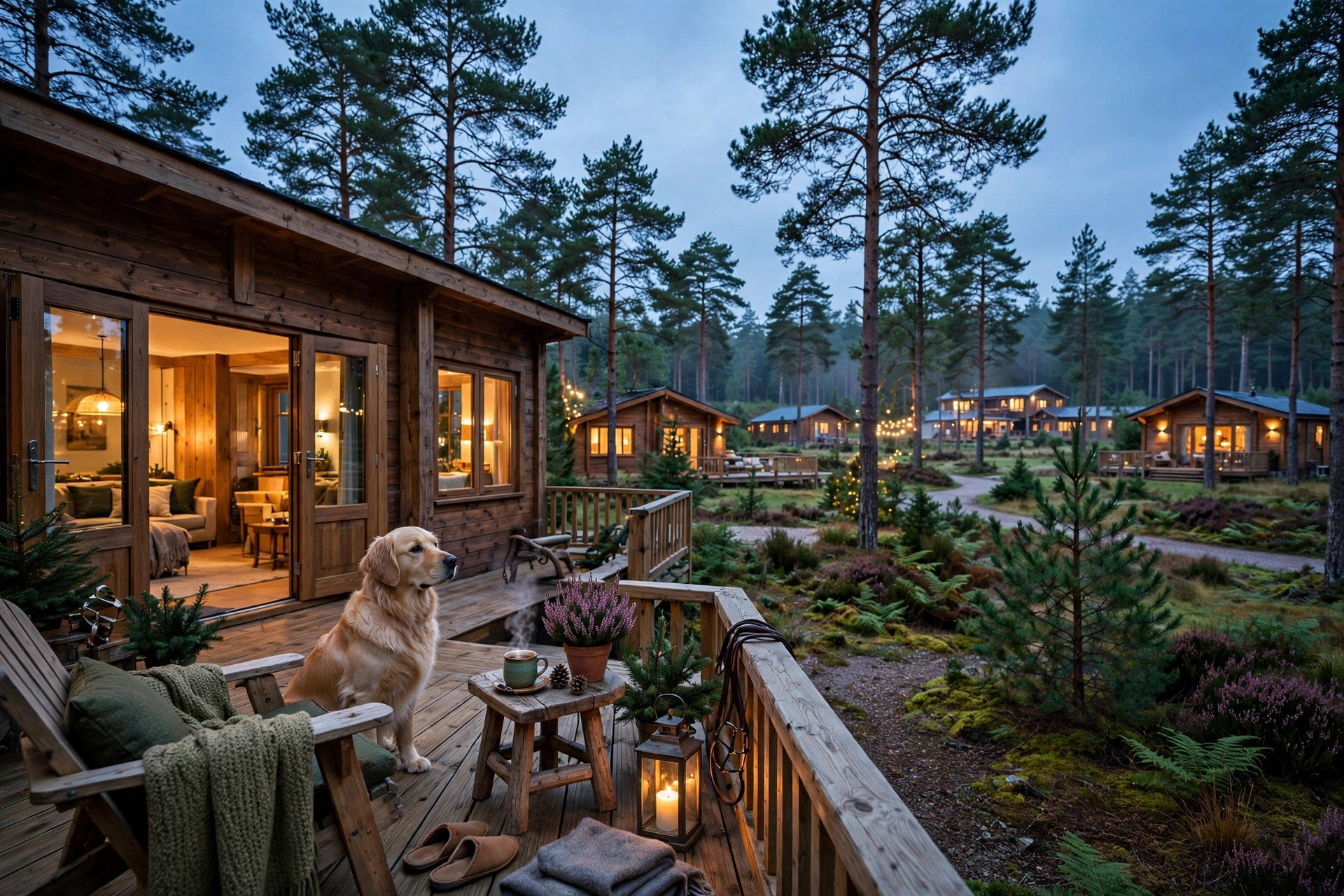
Quiet is a feature worth paying for. A cottage at the end of a lane, a converted barn away from a pub car park or a lodge on the edge of a site will usually give a dog a calmer week than a property on a main street with late-night revellers, church bells at close range or neighbours holding their own parties through thin walls. Hotels can work for a confident, sociable dog, especially for a short stay, but check where the dog sleeps, where it can toilet late at night, whether it can join you at breakfast and what happens during a long Christmas lunch if dogs are not allowed in the dining room. Larger sites are covered in our guide to dog-friendly holiday parks in the UK, including how to read a site map and ask about noise.
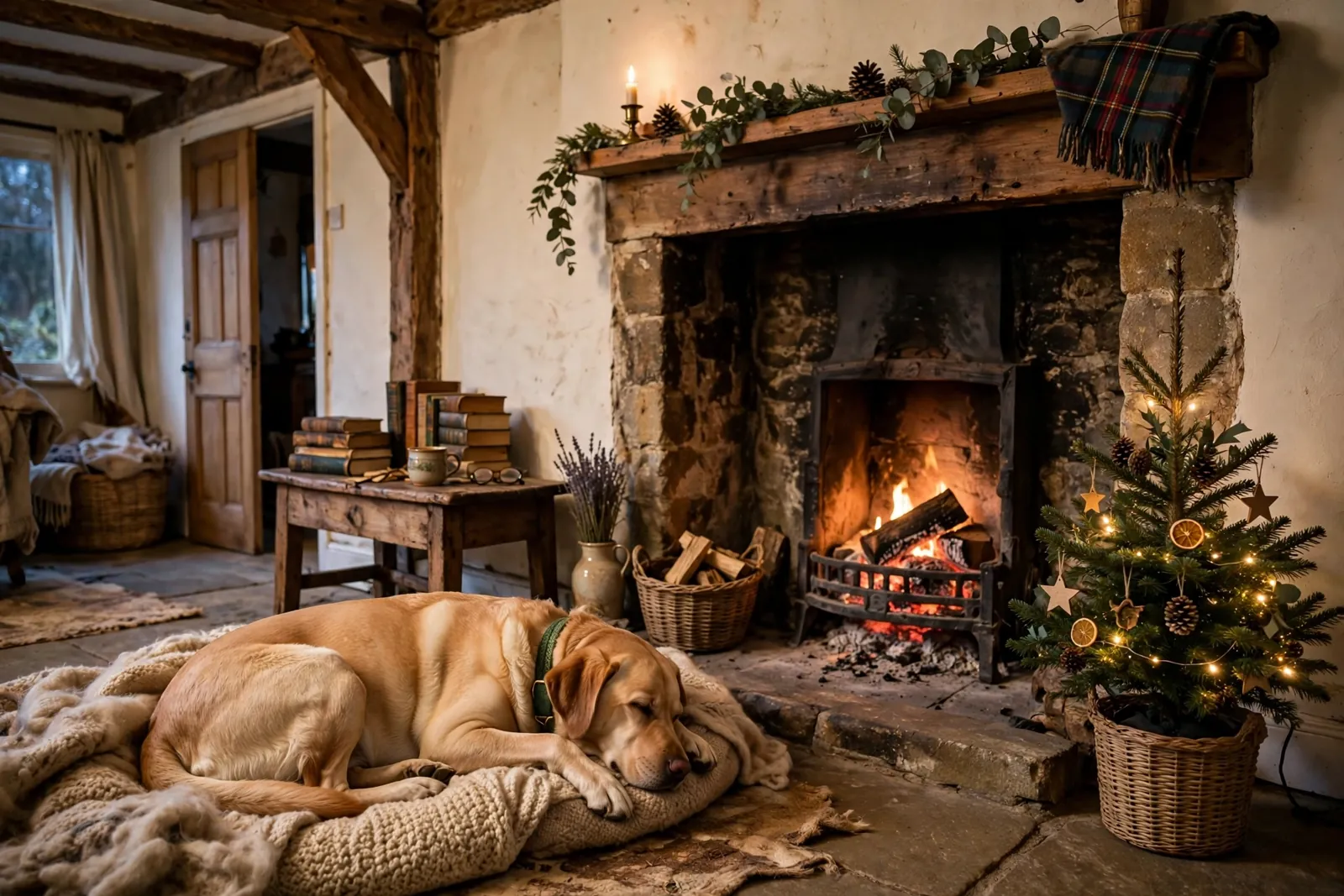
Inside the property, picture the actual week. Is there a corner where a bed or crate fits out of the main walkway, away from the tree, the fire and the kitchen? Is there a door that can close the dog off from wrapping paper, food preparation and front-door arrivals without isolating the dog for hours? Are sofas and beds off limits, and will your group respect that when the dog is wet? A smaller, well laid out cottage often beats a grand house where the dog is constantly being moved on. Check heating too: older cottages can be chilly overnight, while overheated rooms and open fires need a fireguard and a bed placed well back from the heat.
Festive hazards to remove
Most Christmas risks for dogs are ordinary household items in unusual places. Chocolate appears in advent calendars, selection boxes, tree decorations and gifts under the tree, and it is toxic to dogs even in amounts that look small. Grapes, raisins, currants and sultanas turn up in mince pies, Christmas cake, Christmas pudding and cheese boards. Cooked bones from a turkey or ham can splinter, rich fatty scraps can trigger stomach upsets, alcohol left in low glasses is dangerous, and sugar-free sweets or peanut butter containing xylitol, also called birch sugar, are a serious risk. The safe rule is simple: human festive food lives on high surfaces or behind closed doors, gifts containing food are stored out of reach, and the dog gets its own treats rather than scraps from plates. If a dog does eat something risky, contact a vet promptly for advice instead of waiting to see what happens, and keep the packaging so the vet can judge the ingredients and amount.
Decorations need the same sweep. Tinsel, ribbon, string and wrapping can cause serious internal problems if swallowed. Glass baubles break into sharp pieces, salt dough ornaments are tempting and salty, fairy lights bring cables and bulbs within chewing range, and button batteries from cards, toys and remote controls are especially hazardous. Place the tree where the dog is not left alone with it, secure it so it cannot topple, keep cables tidy and unplugged when you are out of the room, and vacuum up pine needles and broken fragments promptly. Candles and open fires should never be left unattended with a dog in the room, and stockings, crackers and novelty toys belong out of reach until they are being used under supervision.
Do a hazard check on arrival, before the celebrations start, and repeat it whenever guests bring bags, coats and presents into the house. Handbags are a classic source of medication, sugar-free gum and snacks, so give visitors a high shelf or a closed room for their belongings. Put a bin with a lid in the kitchen, clear plates promptly and agree in advance who is responsible for the dog during cooking and serving, when attention is thinnest and dropped food is most likely.
Guests, noise and routines
Even a friendly dog can find Christmas intense. More people, more arrivals at the door, excited children, unfamiliar dogs visiting, music, crackers and a changed routine all stack up across a week. Keep the anchors that tell a dog the day is still normal: feeding at roughly the usual times, walks at familiar points in the day, the same bed and blanket from home, and a quiet place to retreat to that guests respect. A dog that chooses to leave the room is communicating clearly. Let the dog go, and do not carry the dog back in for photographs or introductions.
Agree the house rules before the first visitor arrives. The dog is not passed treats by every guest, not woken for attention, and not left in charge of entertaining children. Children should be supervised, shown how to approach calmly and told to leave the dog alone while it is sleeping or eating. If relatives are bringing their own dog, introduce the dogs outdoors on a neutral walk first, feed them separately, pick up high-value chews and toys that could cause guarding, and give each dog its own rest space. A short, well managed meeting is far better than a week of low-level tension in a crowded kitchen.
Plan for noise as well as company. Crackers, party poppers, fireworks around Christmas and New Year, and even loud games can startle a dog that copes well day to day. Keep a lead and collar with an up-to-date tag handy in case a startled dog slips through a door held open for guests, and check that microchip details are current before you travel. Please check the latest official guidance before you travel, as local events and property rules can change at short notice. In the evenings, a familiar chew, a sniffing game or a settled bed in a quieter room helps far more than expecting the dog to endure the loudest part of the house until it is overwhelmed.
Christmas walks that work in winter
A good Christmas walk is planned around daylight, weather and food timings, not squeezed in resentfully between courses. In late December it gets dark early across the UK, and much earlier in northern Scotland than in the south, so the main walk usually belongs in the late morning. A shorter route that everyone enjoys, with the dog properly exercised and then settled with fresh water, will support the rest of the day better than an ambitious hike that leaves people rushed and the dog muddy at the door as lunch is served. Check the forecast, take a torch and spare lead, and remember that flooded paths, ice, grit and salt on pavements, and fast winter rivers all change familiar routes. Wash or wipe paws after walks on gritted roads and keep the dog away from frozen ponds and lakes, where ice can be thin and banks slippery.
Choose walks from the door wherever possible. Driving to a beauty spot on Christmas morning adds parking pressure, busy narrow lanes and a wet dog in the car for the return. Village loops, disused railway paths, canal towpaths and local woods often give enough sniffing and off-lead opportunity where it is allowed and safe, without the crowds. Keep the dog on a lead around livestock, near roads and where signs ask for it, and be extra careful with fallen stock fencing, hidden holes and mud after heavy rain. If the property has a log fire waiting, the return routine matters: dry the dog, check paws and ears for cuts, seeds or ticks, offer water and let the dog rest before the house fills up again.
Not every outing needs to be long. Two shorter walks, one in daylight and one brief lead walk later, suit older dogs, puppies and dogs that find the house busy. Mental exercise counts too: a scatter of treats in grass where it is safe, a cardboard box game cleared away afterwards, or training a familiar trick can take the edge off a day when weather closes in. What matters is that exercise is planned rather than forgotten until the dog becomes restless during the evening.
Boxing Day and heading home
Boxing Day is often the best walking day of the stay and the busiest. Popular beaches, country parks and town centres fill up, pubs that welcome dogs can be crowded, and parking that was easy on Christmas Eve may be full by mid-morning. Go earlier, pick a less obvious route, or embrace the quieter option of a local loop followed by leftovers at the cottage. If you do visit a beach, check tide times and any seasonal dog rules before you set off, keep clear of large groups, horses and other dogs where space is tight, and take litter and poo bags home if bins are overflowing, as they often are over the bank holiday. Check the latest local signs on the day, as festive arrangements can differ from the usual pattern.
Food discipline matters just as much on Boxing Day, when turkey, ham, cheeses, cakes and chocolates are still within reach and everyone is more relaxed. Clear surfaces before you go out, close kitchen doors, and do not leave the dog alone with a buffet, a bin full of bones or presents that may contain food. A dog that has been sensible all week can still counter-surf when the house is empty and the smells are strong. If you are visiting friends, ask in advance whether your dog is genuinely welcome, where it can rest and whether resident pets will be there, rather than assuming a festive invitation includes the dog.
Finally, make the journey home part of the plan. Pack the dog last and unload the dog first in spirit: bed and water accessible for stops, food for a spare day in case of delays, medication in hand luggage rather than buried in a case, and breaks built into a long drive. Travel earlier or later to avoid the worst bank-holiday traffic where you can, never leave the dog unattended in a cold car for long periods, and settle back into the home routine on arrival with a short familiar walk, a normal meal and an early quiet evening. A Christmas stay that ends calmly is the one a dog, and everyone else, is happiest to repeat next year.
Practical questions
Before you go
When should I book dog friendly Christmas accommodation in the UK?
Book as early as you can. Popular cottages and lodges for the Christmas week often go many months ahead, and the small number of genuinely dog friendly units usually goes first. If you are booking late, be flexible on location, arrival day and stay length, and ask to join a cancellation list rather than settling for a property that does not suit your dog.
Can I leave my dog alone in Christmas accommodation?
Only if the property rules allow it and your dog already settles alone at home. Many owners and parks prohibit unattended dogs, and a new place, new smells and visitors nearby can unsettle a dog that is calm at home. Plan for the dog to stay with the group, or take turns staying in, and never assume a closed door is enough permission.
Which Christmas foods and decorations are dangerous for dogs?
Keep chocolate, mince pies, Christmas cake and pudding, grapes and raisins, cooked bones, alcohol and foods containing xylitol well out of reach. Tinsel, ribbons, baubles, fairy light cables and batteries also cause problems if chewed or swallowed. If a dog eats something risky, contact a vet promptly for advice rather than waiting for symptoms.
How much extra do dogs cost at Christmas?
Expect the normal pet charge on top of peak season prices. Many properties charge a flat fee per dog per stay or per week, while others charge per night, and Christmas weeks are usually priced at the top seasonal rate with longer minimum stays. Always ask for the all-in total, including pet fees, cleaning and heating, before you pay a deposit.
What should I pack for a Christmas stay with a dog?
Pack familiar bedding, food measured for the whole stay plus a spare day, medication, a lead and spare lead, towels, poo bags, a long line if you use one, and details for a vet near the property. Add a torch for late walks, an old blanket for muddy paws and a quiet chew or lick mat for busy moments indoors.