This guide is independent and contains no paid placement. If affiliate links are added later, they will be clearly marked and will not change our editorial checks.
Start preparing weeks before 5 November: build a cosy indoor safe room, walk and feed before dark, close curtains and put on background sound, check ID tag and microchip details, and stay home with your dog. Dogs with severe fear need vet advice well in advance — and a trip to a genuinely quiet rural area can help only if it is planned, not improvised on the night.
Why fireworks frighten so many dogs
Fireworks combine almost everything a dog finds hard to process: sudden loud bangs with no warning, bright flashes through windows, vibrations through floors, and a smell of burning in the air. Unlike thunder, which often builds and fades with weather a dog can sense changing, fireworks start and stop unpredictably, sometimes for hours, and come from several directions at once. A dog cannot work out where the noise is coming from, how long it will last, or how to make it stop — and that unpredictability is at the heart of the fear.
Signs range from mild to severe. A mildly worried dog may pace, pant, yawn, lick its lips, seek constant contact or refuse food. A more frightened dog may tremble, drool, hide, try to dig or climb to escape, bark or howl, toilet indoors despite being housetrained, or refuse to go into the garden for days afterwards. Puppies, older dogs, rescue dogs with an unknown history and dogs that are already noise-sensitive or generally anxious are often hit hardest. The principles in our guide to holidays with a reactive or anxious dog — distance, predictability and an easy retreat — apply just as much on fireworks night as they do on holiday.
It helps to be honest about your own dog rather than hopeful. If last year involved hiding, shaking or a sleepless night, assume this year will be similar without a plan, because noise fear tends to stay the same or deepen with age rather than fade on its own. Noting what actually happened last time — when the dog settled, where it chose to hide, what helped even slightly — gives you a practical starting point for this year instead of a generic checklist.
Know the UK fireworks calendar
Bonfire Night, also called Guy Fawkes Night, falls on 5 November, marking the anniversary of the Gunpowder Plot of 1605. Organised displays are usually held on 5 November itself or on the nearest Friday, Saturday or Sunday, which means the noisiest night in your area may not be the 5th at all. Back-garden fireworks spread the problem wider: in many neighbourhoods bangs are heard on scattered evenings from the last week of October through to the weekend after Bonfire Night.
Bonfire Night is not the only peak. Diwali, which usually falls in October or November depending on the year, involves fireworks in many communities. New Year's Eve is another predictable night of displays at midnight, and some areas hear fireworks around Christmas events, Chinese New Year and summer festivals. The exact pattern depends heavily on where you live, so check your council and local venue listings for organised display dates near you, and — if you are travelling — near your destination. Please check the latest official guidance and local listings before you travel, as display dates, times and firework sale and use rules can change.
That calendar matters for planning. A single-night plan fails if fireworks run for ten evenings in a row, because a dog that copes on night one may be exhausted and sensitised by night five. Build a routine you can repeat for a fortnight: same early walk, same safe room, same evening pattern. Predictability for you is what makes the season survivable for the dog, and it also means any trip away needs to cover the whole noisy window, not just 5 November itself.
Prepare weeks ahead, not on the night
Almost everything that genuinely helps needs lead time. Sound desensitisation — playing recorded firework sounds at very low volume during calm, pleasant activities and increasing the volume only gradually over days and weeks — is a long-term project for the off-season or early autumn, not a fix to start on 4 November. Done too fast or too loud it can make fear worse, so follow a reputable programme carefully and stop if your dog shows distress at any stage. If in doubt, ask your vet or a qualified behaviourist for a plan suited to your dog, and check the latest official guidance before you travel or start a new training approach.
Use the weeks ahead for practical rehearsal as well. Set up the safe room early and let your dog choose it on ordinary evenings, with treats and chews appearing there, so it smells familiar and positive long before it is needed. Practise the early-evening routine: a good walk in daylight, dinner a little earlier than usual, curtains closed before dusk and the television or radio on at a normal volume. Dogs read routine as safety, and a routine that only appears on the scariest night of the year carries no reassurance at all.
Stock up calmly. Buy in the chews, lick mats and food your dog already knows, any vet-recommended calming product you have agreed to try in advance, and spares of medication if your dog takes any. Check torches, batteries and poo bags for night-time garden trips, and warn neighbours with a friendly word if your dog is likely to bark — and ask, politely, whether they plan fireworks of their own, because knowing the likely timing of a garden display two doors down is genuinely useful information.
Build a safe room at home
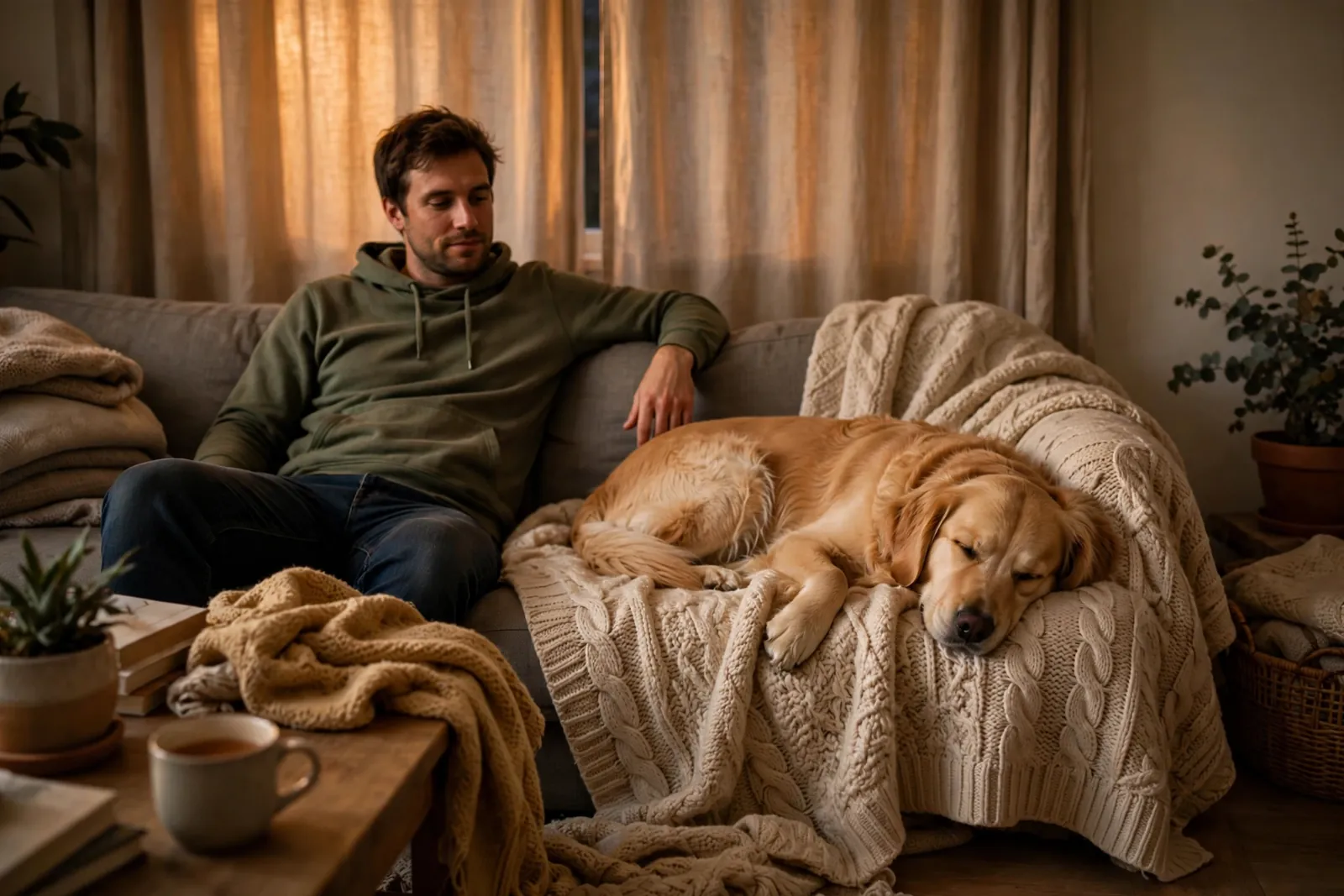
A safe room is simply the quietest, most interior room you can offer, prepared so a frightened dog can hide, settle and feel enclosed without being shut away alone. A room away from front windows, ideally with no external wall facing the nearest displays, works best. Close curtains or blinds before dark to block flashes, and close windows to muffle sound — while keeping the room ventilated and not overheated. Put on the television, radio or familiar music at a steady volume to soften the contrast between silence and each bang; the aim is background cover, not a volume battle you cannot win.
Furnish it for hiding as much as for comfort. Dogs under stress often choose small, den-like spaces: a crate with the door left open and a blanket draped over it, a space under a table covered with a throw, or a bed tucked behind a sofa. Provide the dog's normal bedding so the smell is familiar, plus water, a long-lasting chew or a lick mat if your dog will still take food, and a worn item of your clothing. Let the dog choose where in the room to be, including choosing to press against you — comforting a frightened dog does not reward or worsen fear, and forcing distance helps nobody.
Make the room safe for a panicking dog, not just a calm one. Remove or secure anything that could be knocked over, chewed in distress or swallowed, move cleaning products and medicines out of reach, and check for trailing cables. Keep doors to the rest of the house managed so the dog cannot bolt through the front door when someone arrives or leaves. If your dog has a known bolt-hole elsewhere in the house — under a bed, behind the washing machine — do not block it off in the name of the new plan; make that space safer and more comfortable instead, because a frightened dog will try to reach its chosen refuge regardless.
On the night: walks before dark and a steady evening routine
The single most effective rule for fireworks evenings is simple: walk before dark. Give the main walk in daylight, ideally in the afternoon, in a familiar place away from display set-up areas, parks where events are being prepared and fields where early fireworks are likely. A good sniff-heavy walk and a chance to toilet properly set the dog up for the evening. Feed dinner a little earlier than usual as well, because many worried dogs will not eat once the banging starts, and a fed, exercised dog settles better than a hungry, restless one.
After dark, keep toilet trips minimal and safe. Use the garden on a lead if there is any chance your dog could panic and jump or squeeze through a fence it would normally respect — fear changes what dogs attempt. If you have no garden, keep the trip to the nearest familiar patch, use a well-fitted collar or harness plus a sturdy lead, and consider a double attachment for a known flight risk. Never walk a dog through or near a display, and never tie a dog up outside a shop or venue during fireworks season evenings. If a bang goes off while you are out, stay calm, shorten the walk and head home without dragging the dog — let it hurry home at its own pace if it wants to.
At home, keep the evening deliberately ordinary. Stay in, keep lights and sound at normal levels, and act as unbothered as you can manage without putting on a performance. Offer chews, games or training your dog enjoys if it is able to engage, and let it disengage without pressure if it is not. Avoid visitors arriving during the peak display hours if you can, keep children calm around the dog, and never punish fear behaviour — not the barking, the accident indoors or the refusal to go outside. Punishment adds your anger to the dog's fear and achieves nothing. If your dog needs the toilet repeatedly through a noisy evening, that is stress, not naughtiness: go out briefly, on a lead, between volleys, and clean up accidents without comment.
ID, microchip and escape-proofing
Fireworks season is one of the busiest times of year for lost dogs, because a panicked dog can clear fences, slip collars and push through doors it has never challenged before. Preparation here is unglamorous and extremely effective. Check that your dog's microchip registration holds your current mobile number and address — not a previous address, not a breeder's details — by contacting the database your chip is registered with, or asking your vet to scan and confirm the chip number so you can check it. Please check the latest official guidance before you travel on current microchipping and ID requirements, as rules and database arrangements can change.
Check the physical ID as well. Dogs in public places in the UK are generally required to wear a collar with an ID tag showing the owner's name and address, and a mobile number is the detail that reunites a found dog fastest — check the current official requirements before you rely on this summary. Make sure the tag is legible, securely attached and on a collar that fits properly: snug enough not to slip over the head if the dog pulls backwards in panic, without being tight. Take a clear, current photograph of your dog on your phone before the season starts, showing markings and size, in case you ever need to share it quickly.
Escape-proof the house and garden in daylight, thinking like a frightened dog. Check fence panels, gates and latches, gaps under gates, and anything stacked near a fence that could become a climbing aid. Keep external doors closed and be strict about the front door during the evening — a delivery or a returning family member is the classic moment a dog slips out. If the worst happens despite everything, act immediately rather than waiting until morning: our guide to what to do if your dog is lost on holiday sets out a calm first-hour search plan that applies at home too, and our guide to finding an emergency vet away from home explains how to get urgent help fast if a dog is injured while bolting or after being found.
When to talk to a vet about calming support
For dogs with moderate fear, routine, a safe room and your presence may be enough. For dogs that shake for hours, injure themselves, stop eating for a day or more around fireworks, or become more frightened every year, it is time for a proper conversation with your vet — ideally in September or early October, not in the last week before Bonfire Night, because anything prescribed or recommended needs time to be discussed, trialled and adjusted. Take notes or a short phone video of your dog's fireworks behaviour to the appointment; it helps the vet judge severity far better than a general description.
Options a vet may discuss include pheromone diffusers or collars started weeks ahead, nutritional or herbal calming supplements, anxiety wraps, and, for severe cases, prescription medication for the noisiest nights. Suitability, dose and timing depend on the individual dog, its health and any other medication, which is exactly why this must be a veterinary conversation rather than a purchase based on an advert or a forum. Never give a dog human sedatives or medication prescribed for another animal, and be cautious with anything bought online without advice — if a product sounds too good to be true, check with your vet and the latest official guidance before you use it.
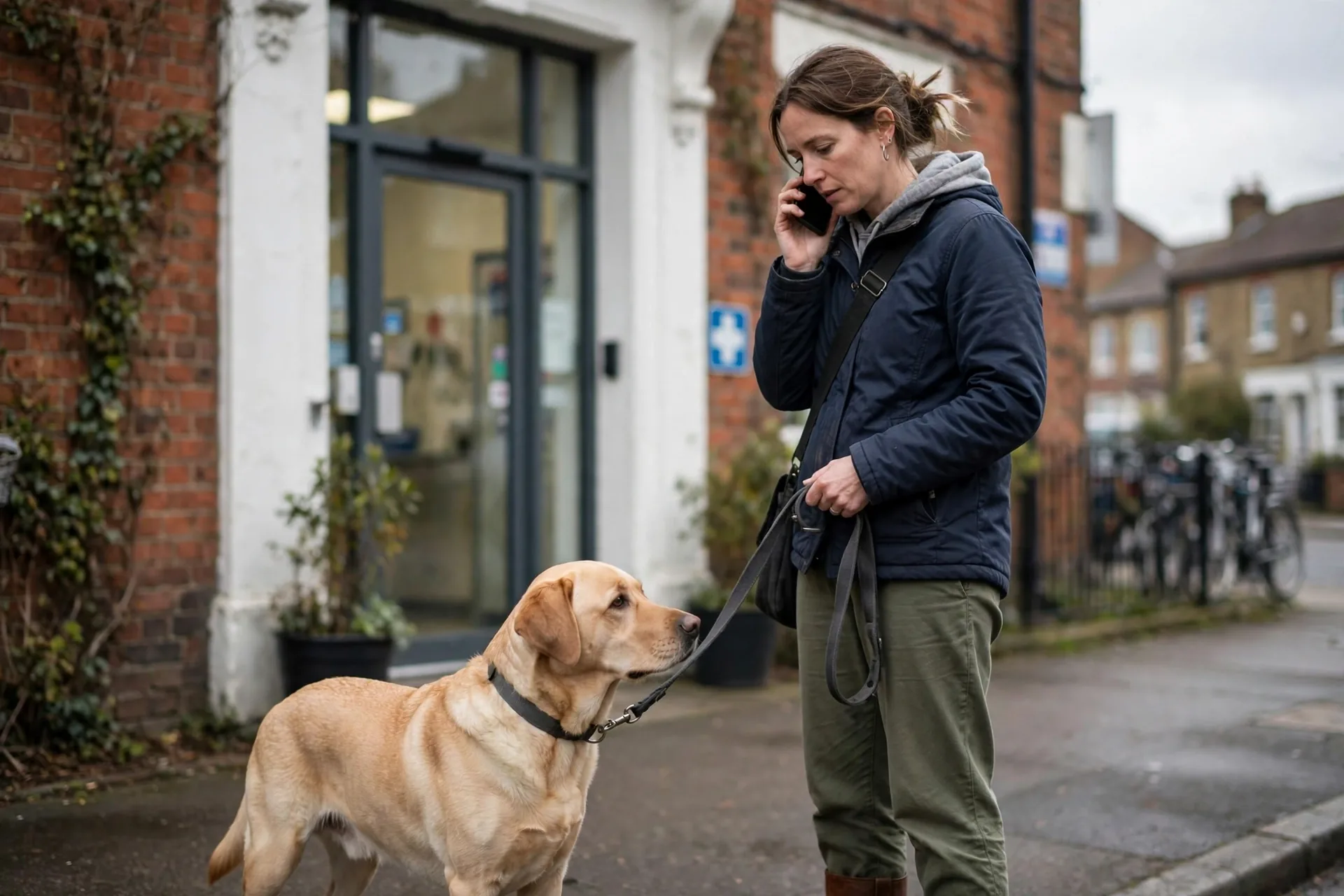
A vet can also rule out pain. Arthritis, ear problems and other painful conditions can lower a dog's tolerance for stress and noise, and an older dog that suddenly copes badly may be telling you something else has changed. If fear is severe, escalating or affecting daily life beyond fireworks season, your vet may refer you to a qualified clinical animal behaviourist for a longer-term desensitisation and behaviour plan. That is not an indulgence; severe noise phobia is a welfare problem, and treating it properly over the following year is one of the kindest investments you can make for a noise-sensitive dog.
Travelling away to quieter areas
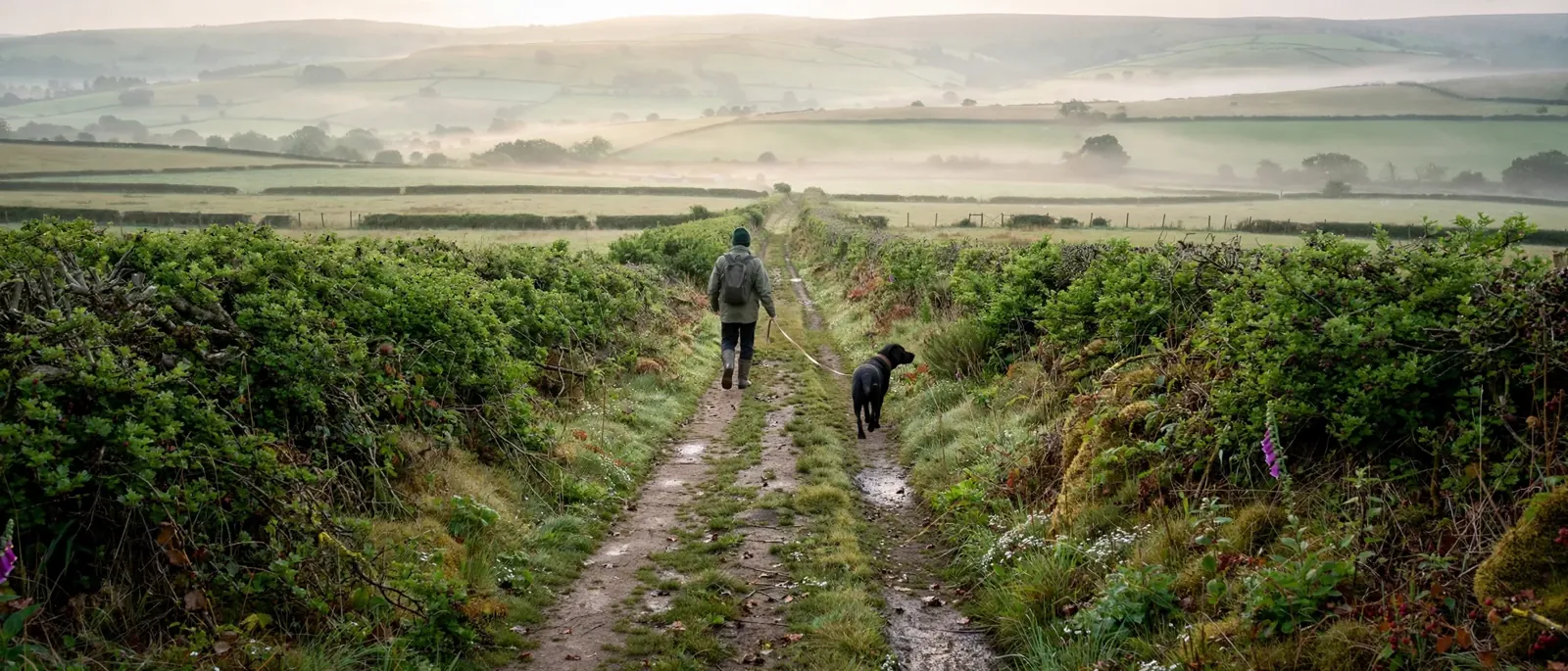
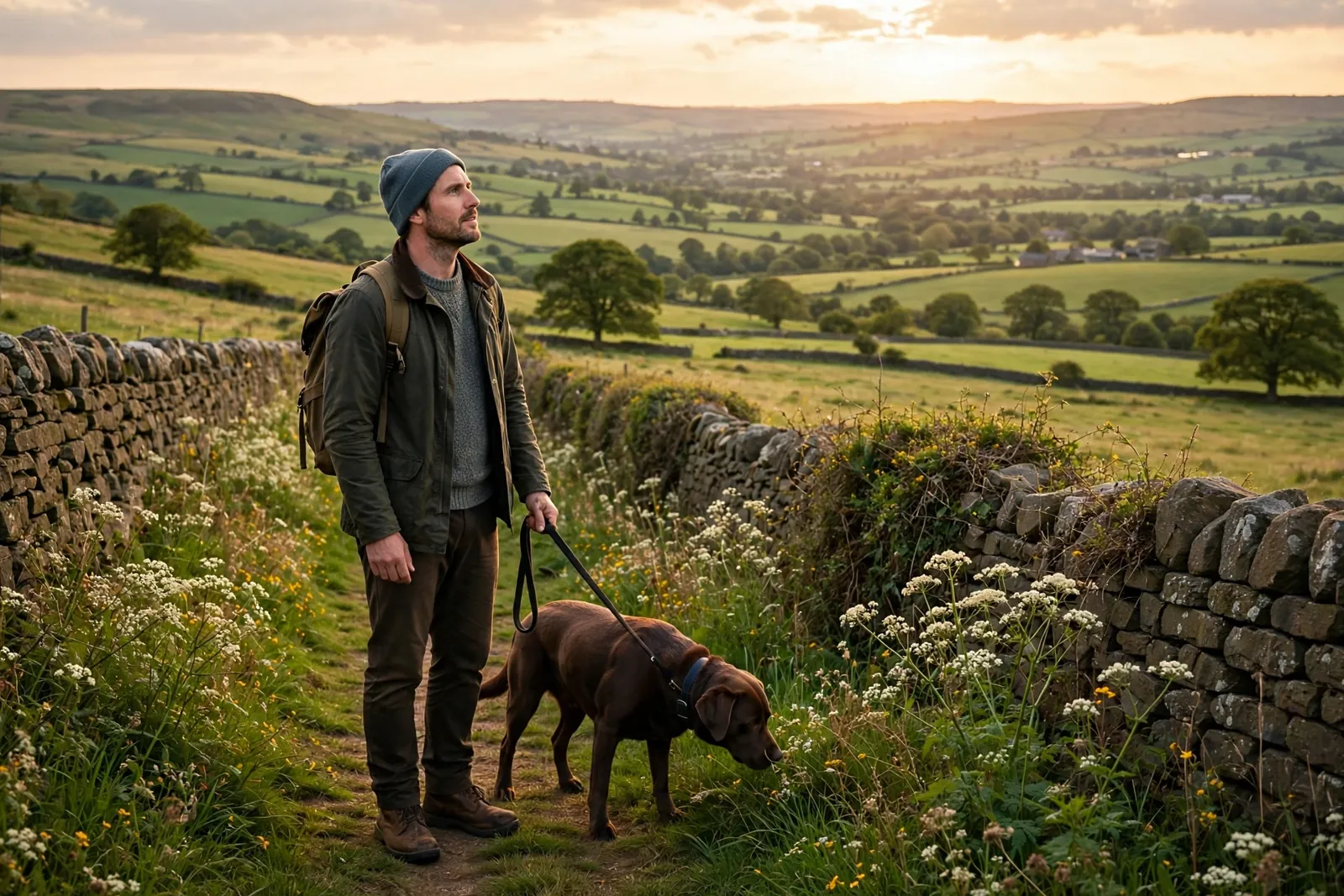
For some dogs, the most practical answer to a fortnight of urban fireworks is to be somewhere else. A short break in a genuinely quiet rural area — remote countryside, parts of the coast away from towns, or sparsely populated areas of Scotland, Wales and northern and south-western England — can reduce fireworks to a distant occasional bang or none at all. The key word is genuinely: a village with a large organised display on the green, or a holiday park hosting its own Bonfire Night event, may be no quieter than home. Ask any property directly whether the property, the village or nearby venues hold displays, and check local listings for the exact dates of your stay.
Choose the stay for fireworks week, not for the brochure. A detached or well-insulated property away from neighbours reduces both display noise and the sound of the dog if it does bark. Thick curtains, a quiet interior room for the safe-room set-up and an enclosed garden for lead-free but contained toilet trips all matter more than a sea view. Keep the travelling itself calm and familiar: drive in daylight, arrive with time to walk before dark, and recreate the home routine — same bedding, same feeding times, same safe-room arrangement — in the new place. Our advice on settling anxious dogs in unfamiliar stays, in the reactive dog holidays guide, is directly relevant here.
Be realistic about the limits of escaping. Fireworks can still be heard in most inhabited places on 5 November and New Year's Eve, journeys home may pass displays if you travel on a display evening, and a dog that is terrified in the car gains nothing from a long night drive. Book early, because quiet rural properties are in demand for exactly this week, cover the whole noisy window if you can rather than a single night, and have the home plan ready anyway in case the trip falls through. Whether you stay or go, the goal is the same modest one: a dog that gets through the season fed, exercised in daylight, able to hide somewhere safe, and in the company of someone it trusts.
Practical questions
Before you go
When is Bonfire Night and how long does fireworks season last in the UK?
Bonfire Night falls on 5 November each year, with organised displays usually on the nearest weekend. In practice, fireworks are heard from late October through to New Year, and also around Diwali and other celebrations depending on where you live. Plan for several unsettled evenings rather than a single night, and check local display listings before you travel.
Should I walk my dog during fireworks?
No. Walk well before dark so you are home before displays and back-garden fireworks begin, and keep any later toilet trip short, on a lead, in the garden if possible. A missed long walk for a few evenings is far safer than a frightened dog bolting on a pavement or in a park after dark.
Can I leave my dog alone during fireworks?
Plan not to leave a worried dog alone during fireworks. A frightened dog left alone can injure itself trying to escape, damage doors and furniture, or toilet indoors through fear. Stay home if you can, or arrange for a trusted person your dog knows well to stay with them in the familiar safe room.
Do calming products actually help dogs with fireworks?
Some dogs are helped a little by familiar routines, background sound, a snug-fitting anxiety wrap, a lick mat or long-lasting chew, and vet-recommended calming supplements or pheromone products started in advance. None replaces preparation, a safe room and staying present, and severe fear needs veterinary advice rather than a product bought on the day. Check with your vet before using any new product.
What should I do if my dog escapes during fireworks?
Act at once: search the immediate area calmly, ask someone to stay at home in case the dog returns, and contact local vets, the dog warden and your microchip database to report the dog missing with a current photo. Make sure chip and ID tag details are up to date before fireworks season so anyone who finds your dog can reach you quickly.