This guide is independent and contains no paid placement. If affiliate links are added later, they will be clearly marked and will not change our editorial checks.
A Northern Ireland holiday with a dog costs roughly £700–£1,400 for two adults and one dog for a week in shoulder season, ferry included. The crossing is the biggest variable and the one line you cannot bargain down on the day; accommodation, food and days out are all cheaper than their mainland equivalents. Treat every figure here as a planning range — ferry and accommodation prices move with demand, so check the latest quote with the operator before you book.
The ferry fare decides everything
Northern Ireland is oddly hard to price up from a desk in England, and the reason is simple: the sea crossing is the single biggest line on the bill, and it behaves nothing like accommodation. Cottages, campsites and pubs have relatively stable prices; a ferry fare can double between a Tuesday in May and a Saturday in August. Anyone who quotes you a single "cost of a dog holiday in Northern Ireland" without asking which week you mean is guessing.
That imbalance is also what makes Northern Ireland such an interesting destination for dog owners. Once you are across the water, almost everything costs less than the equivalent on the mainland. Dog-friendly self-catering cottages that would be £900 a week in Cornwall or the Lake District go for £500–£700 in County Down or County Antrim. Pub meals, beach car parks and National Trust entries run a little cheaper. The coastline walks and the Mourne Mountains — the two things your dog will actually remember — are free. So the honest shape of the budget is a large, lumpy ferry bill at the start, followed by a week that costs less than a comparable mainland week.
Put numbers on it and the pattern is clear. For two adults and one dog, the crossing typically lands between £150 and £480 return depending on season, route and how early you book. The whole rest of the week — sleeping, eating, fuel and a handful of paid attractions — often adds another £500 to £900 in shoulder season. In other words, the ferry can be anywhere from a fifth to nearly half of the total. That is why this guide starts with the crossing, works through the three ways to get a dog across the Irish Sea, and only then talks about cottages and cafés. Get the ferry decision right and the rest of the maths gets much easier.
A word on the figures below: they are realistic planning ranges gathered from published fares and typical operator pricing, not quotes. Ferry fares in particular move with demand almost like airline tickets. Check the latest quote with the operator before you book, and read the small print on pet arrangements — the cheapest sailing is a poor deal if the dog's crossing setup does not suit your animal.
Three ways to get there with a dog
There are really only three practical ways to take a dog to Northern Ireland, and they sit at very different price points. Most people default to the first without pricing the others; that is a mistake, because the gap between the cheapest and the most expensive way to cross can be several hundred pounds.
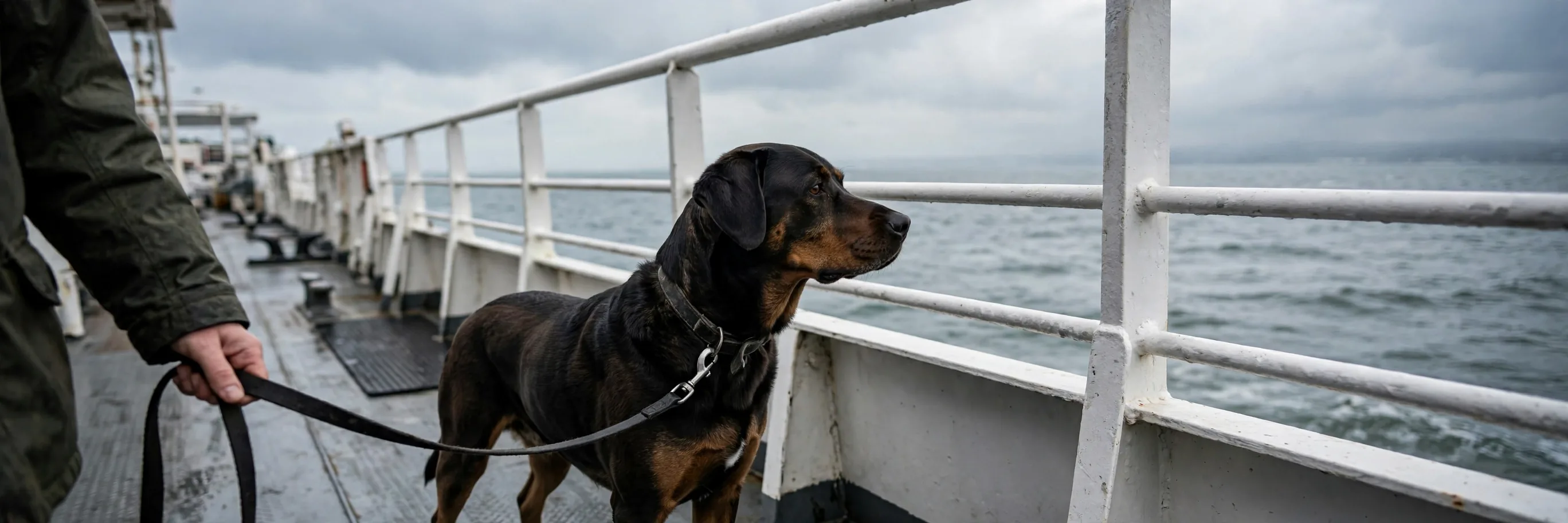
Option one: sail with your own car. This is what the great majority of dog owners do, and for good reason — you keep your own car, your own boot full of dog gear, and the dog's familiar travel setup. The two main short crossings are Cairnryan to Belfast (Stena Line, about two hours) and Cairnryan to Larne (P&O, about two hours). Stena also runs the longer Liverpool to Belfast sailing (about eight hours). A return fare for a car, two adults and one dog typically runs £150–£260 off-peak and £300–£480 in school holidays, with the Liverpool route usually dearer than the Cairnryan ones. What happens to the dog on board is the detail that matters: on most of these sailings the dog either stays in your vehicle on the car deck or travels in an onboard kennel, and the visiting rules differ by operator and sailing. A few longer sailings offer a small number of pet-friendly cabins, which sell out fast. Because this is a whole subject in itself, we cover the operator rules, kennel arrangements and what to pack in our guide to dogs on UK ferries — read it before you pick a sailing, not after.
Option two: sail as a foot passenger and hire a car in Northern Ireland. Foot-passenger returns on the short crossings can be as little as £40–£80 per adult, which looks like a bargain until you price the hire car. A week's hire in Belfast or at the airports typically runs £200–£350, and then comes the dog problem: most hire firms either forbid dogs outright or charge a cleaning surcharge of £50–£100 if the car comes back with a single hair in it. A couple of firms are relaxed, but "relaxed" usually means a written cleaning fee rather than genuine enthusiasm. Add the dog's travel crate, the impossibility of bringing your usual boot liner and toys, and the faff of collecting the car with a tired dog after a sailing, and this option rarely wins on money or on stress. It can work for a single traveller with a small, clean dog and a tolerant hire firm — get the dog policy in writing before you book anything.
Option three: fly, and leave the dog out of the equation. Scheduled airlines on UK domestic routes do not take dogs in the cabin — pets travel as cargo or not at all, which for a week's holiday is effectively not at all. So this option means flying yourself (£60–£150 return is typical for mainland-to-Belfast routes booked ahead) and boarding the dog at home. A decent kennel charges £20–£30 per night, so £140–£210 for the week, plus the cattery-style guilt. The maths sometimes beats the ferry for a solo traveller, but it defeats the purpose of a dog holiday, and you still need a hire car at the far end. We mention it mainly so you can see the comparison honestly: for most dog owners, it is the ferry with the car or nothing.
The decision, then, is usually between the Cairnryan short crossings and the longer Liverpool sailing. The short crossings win on price and on the dog's comfort — two hours in the car or the kennel is far less of an ordeal than eight. The Liverpool sailing wins if you live in the north-west or the Midlands and the drive to Cairnryan would eat a whole day; the overnight sailing with a pet-friendly cabin can feel like the holiday starting early. Whichever you choose, book the ferry as early as you can: the cheapest vehicle fares are capacity-controlled, and the difference between booking in January and booking in June for an August sailing can easily be £100.
Where you sleep: three price tiers
Accommodation is where Northern Ireland quietly undercuts the mainland. The dog-friendly market here is smaller than in Devon or Cornwall, but the prices are gentler across the board — and pet fees, when they exist at all, tend to be one-off charges rather than the per-night rates that sting on the mainland.
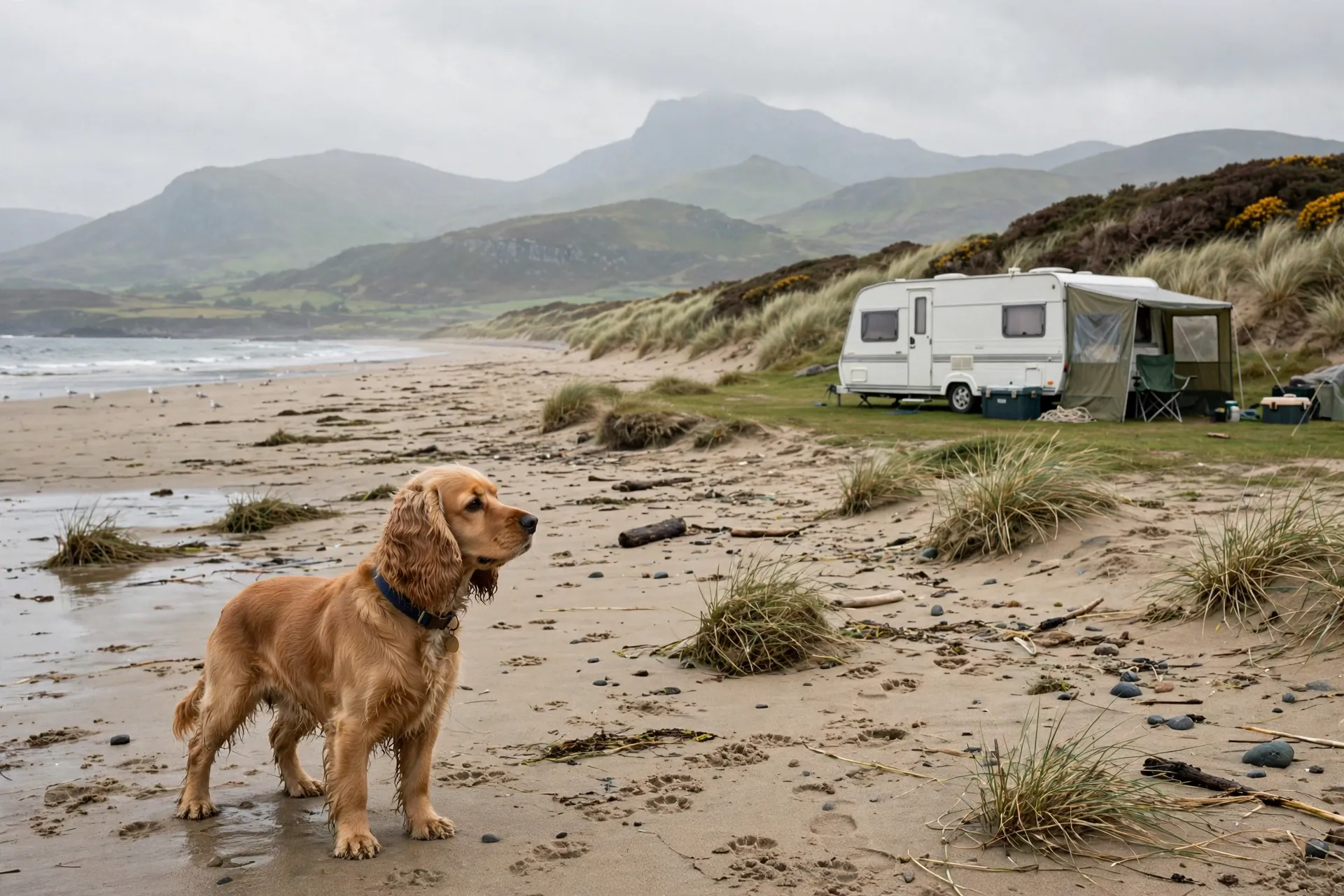
Tier one: under £350 a week. Campsites are the backbone of the budget tier. A serviced pitch with electric hook-up typically costs £25–£45 a night, so £175–£315 for the week, and dogs are welcome on most sites for little or no extra charge. The Mourne coast and the north Antrim coast both have well-run sites within walking distance of beaches where dogs can run. Basic bunkhouses and a handful of dog-friendly hostels sit in the same bracket for walkers who would rather not carry a tent. The trade-off is weather exposure: a wet week in a tent with a muddy spaniel is character-building in a way nobody asks for twice, so budget-tier travellers should pack drying coats, a boot liner for the car, and a genuinely waterproof tent.
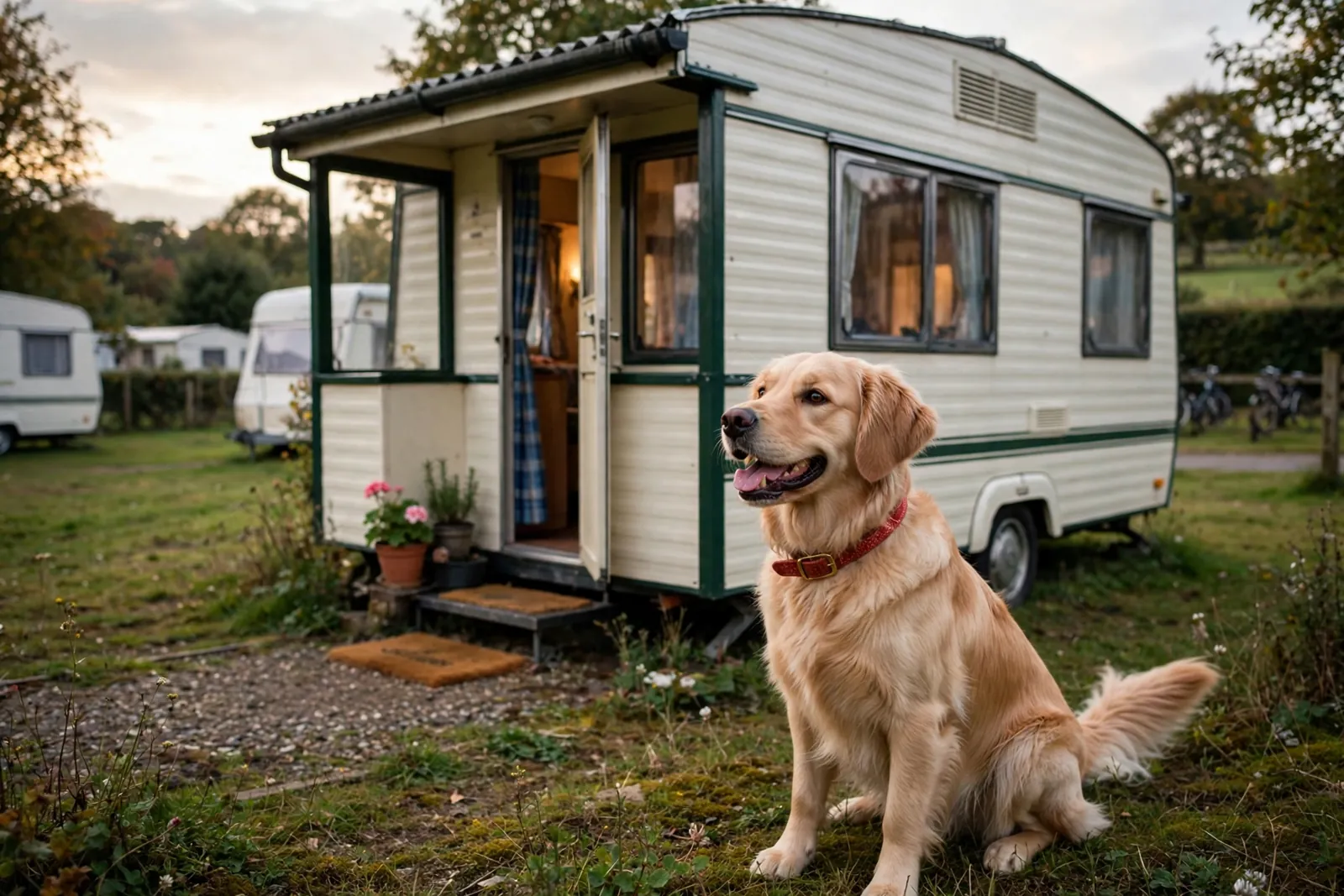
Tier two: £400–£800 a week. This is the sweet spot for most dog owners: self-catering cottages, static caravans and glamping pods that take dogs. A two-bedroom dog-friendly cottage outside the peak weeks commonly goes for £450–£650 a week; a static caravan on a holiday park £400–£600. Pet charges in this tier are usually a flat £25–£60 per stay per dog, sometimes with a cap of two dogs, and some owners waive the fee entirely outside school holidays. Glamping pods and shepherd's huts (£90–£140 a night, so £630–£980 for a full week) often allow one well-behaved dog but check the flooring rules — muddy paws and sheepskin rugs are a known area of conflict, and some pods ban dogs from the bed platform while allowing them on the floor. Whatever you book, confirm three things in writing before paying the deposit: the pet fee as a line item, the maximum number of dogs, and whether the enclosed garden shown in the photos is genuinely enclosed — "enclosed" is the most elastic word in holiday-letting copy.
Tier three: £800+ a week. Dog-friendly hotels and B&Bs cluster around Belfast, Derry and the Causeway coast. Expect £90–£140 a night for a double room that takes dogs, often with a £10–£20 per-night dog supplement, putting a week at £700–£1,100 before you eat. The premium buys you no cooking, no cleaning, and usually a proper breakfast — and in the Causeway area, a room where the dog can dry off while you plan the next day's walk. Luxury lodges with hot tubs exist but are thinner on the ground than in England, and the dog policies are stricter. One consistent finding: Northern Ireland's top tier costs roughly what the mainland's middle tier costs, which is why the ferry math works out the way it does — you pay to cross, then everything ashore is discounted.
A final accommodation note that belongs in a costs guide: many Northern Ireland self-catering owners take bookings direct rather than through the big platforms, and direct bookings are often £30–£80 cheaper for the week because there is no service fee. The trade-off is weaker cancellation protection, so weigh the saving against the terms. If you want the broader playbook for keeping accommodation costs down — off-peak timing, weekday-to-weekday weeks, and the pet-fee questions that actually matter — our cheap dog-friendly holidays guide covers it in detail.
Eating well without overspending
Food is the budget line with the most elasticity: a self-catering week and a restaurant-heavy week can differ by £300 for two people, and the dog barely affects it either way. The realistic range for two adults is £150 a week at the disciplined self-catering end and £400+ if you eat out most evenings.
Self-catering is the natural fit for a dog holiday anyway — nobody wants to leave the dog in an unfamiliar cottage while they sit through a two-hour dinner. The big supermarkets (Tesco, Sainsbury's, Asda, Lidl and Aldi all operate in Northern Ireland) price much like the mainland, and a week's groceries for two runs £90–£140 depending on how much you cook from scratch. Add £40–£60 for a couple of pub lunches and one takeaway night and you have a comfortable, realistic food week at around £150–£200. Pack the dog's usual food from home: familiar food avoids the upset stomachs that ruin the second day of any trip, and buying a full bag at destination prices is pure waste.
Eating out with the dog in Northern Ireland is easier than many visitors expect. Dog-friendly pubs are common, especially along the Antrim coast and in the Mournes villages, and the norm is dogs welcome in the bar area and on the terrace rather than in the restaurant proper. A pub main typically costs £12–£18, a notch below the equivalent in the south-east of England. Cafés on the main walking routes — the Causeway coast path, the Mourne foothills, the Lough Neagh trails — are used to muddy boots and wet dogs; the ones that are not will tell you at the door, which is fair enough. Budget £25–£35 per person for a casual dinner out with a drink, and assume the dog comes along to the bar-side tables rather than being left behind.
The one food cost that surprises people is the ferry itself. If you sail hungry, the onboard restaurants and shops will happily sell you a £12 breakfast and a £4 coffee. Eat before you board, pack a cool bag with sandwiches and the dog's treats, and the crossing becomes nearly free on the food line. It is a small saving that feels disproportionately satisfying.
Giant's Causeway and the paid extras
Here is the good news that shapes the whole attractions budget: Northern Ireland's best dog days out are free. The coastline, the beaches and the mountains cost nothing, and the two headline paid attractions can be done cheaply or skipped without missing the point of the trip.
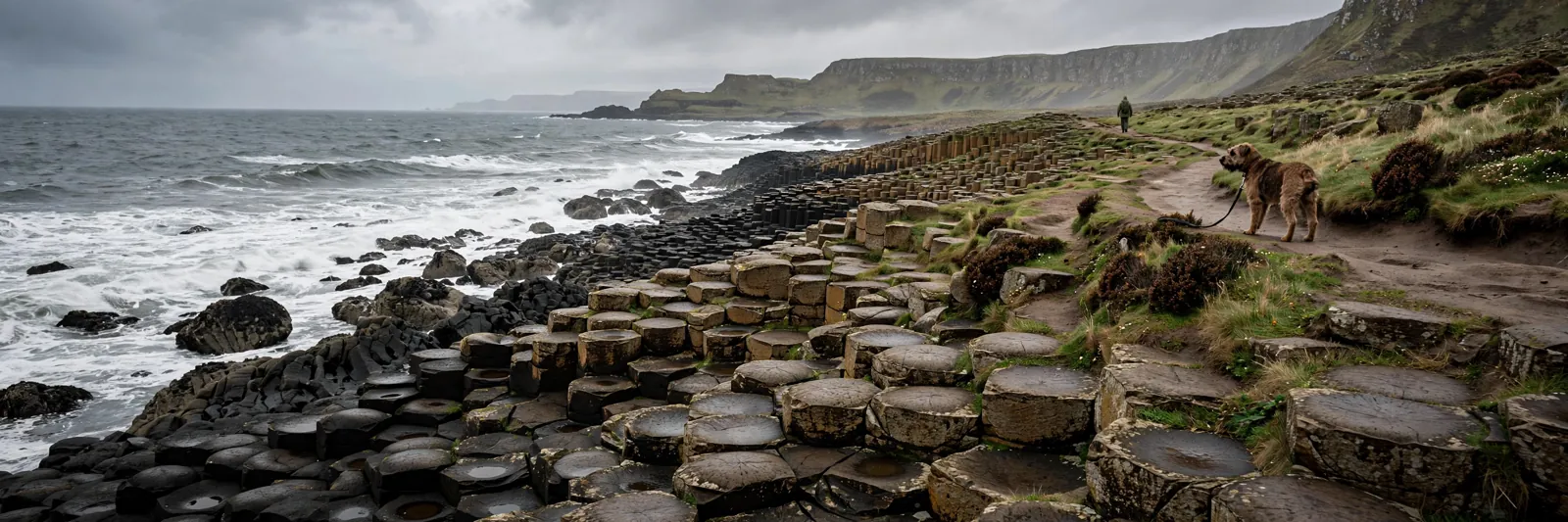
The Giant's Causeway deserves its own paragraph because the pricing confuses everyone. The basalt columns themselves are free to reach on foot — there is a public right of way from the nearby hotel down to the stones, and you do not have to pay anything to stand on them with your dog on a lead. The paid Visitor Experience (usually around £15 per adult — check the latest price before you go) buys you the car park, the shuttle bus, the exhibition and the café. Dogs on leads are welcome on the trails; the indoor exhibition is the restriction, so one of you may need to wait outside with the dog if you both want the full exhibition. Our dedicated Giant's Causeway guide maps exactly where dogs can and cannot go, including the café and the clifftop walks. Budget verdict: £0 if you walk in, around £30 for two adults if you do the full experience.
Carrick-a-Rede rope bridge, a short drive along the coast, charges roughly £13–£14 per adult for a timed crossing slot (again, check the latest price). Dogs are not permitted on the bridge itself, so this is a take-it-in-turns attraction for couples — one crosses while the other walks the headland with the dog, then swap. The headland walk to the bridge viewpoint is free and, frankly, half the experience.
Titanic Belfast is the one big-ticket item at around £25 per adult, and it is the one attraction where the dog simply cannot come — only assistance dogs are admitted inside. If it matters to you, plan it as a half-day where the dog rests at the accommodation, and do not attempt it on arrival day when everyone is tired. Everything else on a typical itinerary — the Mourne Mountains, the beaches at Portstewart and Benone, the Gobbins cliff path area, the Lough Neagh shoreline, Derry's walls (exterior, free) — costs nothing or next to nothing.
A realistic attractions budget for the week: £60–£120 for two adults doing the Causeway experience, Carrick-a-Rede and one or two National Trust properties, or £0–£30 if you stick to the free coastline and mountains. National Trust members should note that membership covers the Causeway visitor centre and Carrick-a-Rede, which can tilt the maths if you were considering joining anyway — but do not buy a membership just for one trip.