This guide is independent and contains no paid placement. If affiliate links are added later, they will be clearly marked and will not change our editorial checks.
Keep a rescue dog's first holiday short, quiet and close to home: two or three nights, a self-catering cottage with a secure garden, the same food, bed and routine as home, and outings that build gradually. The goal is a dog that comes home more confident, not a dog that merely survived a busy week.
Is your dog ready
There is no calendar date on which a rescue dog becomes ready for a holiday. Readiness shows in behaviour: the dog eats reliably at home, sleeps soundly, follows a roughly predictable daily pattern, recovers from a startling noise within minutes rather than hours, and seeks out its people for reassurance rather than shutting down completely. A dog that still paces all night, refuses food for a day after a visitor, or panics at ordinary household sounds is telling you that home is still new, and a holiday will add a second new place on top of a first that is not yet secure. In that case the kindest holiday is no holiday yet, and the work is confidence building at home.
Talk to the rescue organisation before planning. Many rescues know the dog's history, triggers and previous home experiences, and some have specific advice or conditions about travel, including a settling period before holidays. A dog that was a stray may react differently to traffic and open spaces than a dog surrendered from a quiet home, and a dog with a bite history or a known fear of men, children or other dogs needs a plan that respects those facts rather than a hope that a holiday will fix them. If the dog is under veterinary behavioural care or takes anxiety medication, discuss the trip with the vet or behaviourist first, and do not change medication for a holiday without professional advice.
A useful readiness test is a series of short practice outings at home: a day trip to a quiet place, a visit to a friend's house, a night in a different room. Watch how long the dog takes to settle, whether it eats and toilets normally, and how it behaves the next day. Dogs that bounce back quickly from a day out are usually ready for a short break; dogs that are unsettled for days afterwards need more time. This is not a pass-or-fail exam but information, and it is far cheaper to learn it on a day trip than on a prepaid week away.
What decompression really means
Decompression is a word used often in rescue circles and sometimes misunderstood. It does not mean doing nothing, and it does not mean a rigid three-day, three-week, three-month timetable that applies to every dog. It means giving a dog time and space to learn that a new environment is safe, at a pace the dog sets, without flooding it with new people, places, sounds and demands all at once. On a first holiday, decompression looks like a quiet first day, a familiar bed in a quiet corner, short garden outings, and no visitors, parties or busy attractions until the dog shows it is ready for more.
Signs of a dog decompressing well include eating and drinking normally, choosing to rest in the open rather than hiding constantly, showing curiosity about the garden or a walk, and recovering quickly from a surprise. Signs of a dog that is overwhelmed include refusing food, constant pacing or panting, hiding for hours, toileting indoors after being house-trained, excessive licking or yawning, and a glazed, shut-down stillness that can look like calm but is actually stress. Learn to tell the difference before the trip, because a shut-down dog is often mistaken for a relaxed one, and pushing a shut-down dog further is how holidays go wrong.
Decompression also applies to the humans. A first holiday with a rescue dog can be emotionally intense, especially if the dog is frightened or the trip does not go as hoped. Lower your expectations deliberately: a successful first holiday may consist of garden time, two short walks and a quiet evening, and that is a genuine achievement. If you need the trip to be exciting to feel it was worthwhile, the dog will feel that pressure, so plan a trip you will enjoy at the dog's pace, not despite it.
Choosing the first destination
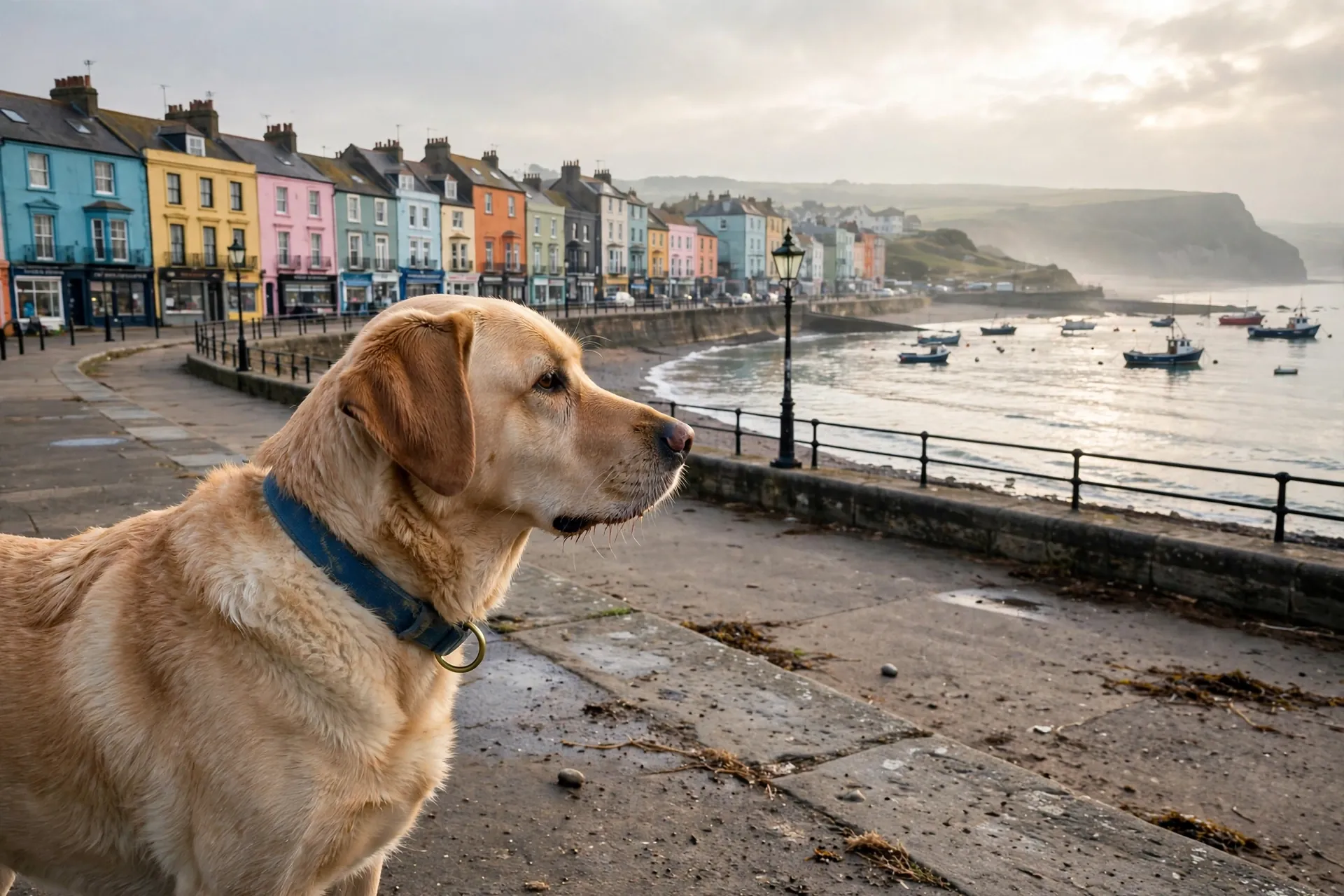
Distance is the first decision. A first holiday should be close enough to home that the journey is short and the way back is easy if things go wrong: ideally under two hours by car, in a landscape the dog already knows something about. A dog that lives in a town will find a quiet village easier than a remote mountain; a dog that lives in the countryside may find a busy seaside town overwhelming. Choose familiarity over novelty, and save the dramatic destination for a later trip when you know how the dog travels.
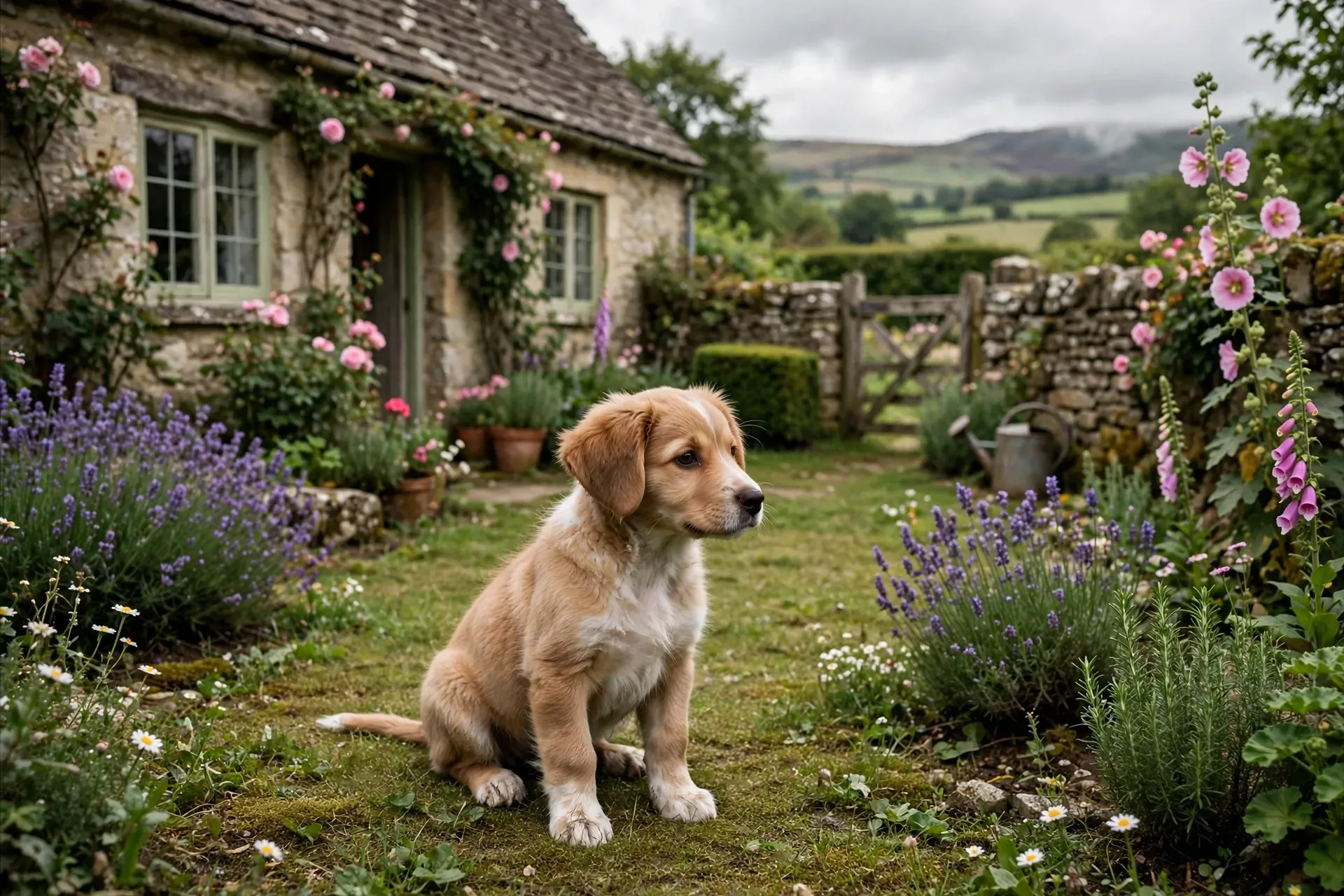
Accommodation type matters more than location. A quiet self-catering cottage with a secure, enclosed garden, a ground-floor bedroom and minimal neighbours is the ideal first base, because it lets you control noise, visitors, feeding times and toilet access. Hotels add corridors, lifts, housekeeping, neighbouring dogs behind thin doors and a dining room full of strangers, all of which can overwhelm a nervous dog. If a cottage is not possible, look for a quiet bed and breakfast or a small inn with a ground-floor room and a garden, and tell the host honestly that this is a rescue dog's first trip; hosts who understand will often offer the quietest room. Our guide to choosing your first dog-friendly destination compares coast, countryside and towns by walks, rules and travel time, and is a useful companion to this guide.
Check the garden as if it were the most important room, because for a nervous dog it is. Ask about fence height, gaps, gate latches and whether the garden is private or shared, and walk the boundary yourself on arrival before letting the dog off the lead. A dog that escapes on its first holiday is a frightening and common accident, and a garden that contains a confident Labrador may not contain a determined rescue dog that has learned to squeeze through gaps. If the garden is not secure, keep the dog on a long line in the garden and treat that as normal, not as a failure.
Preparing before you leave
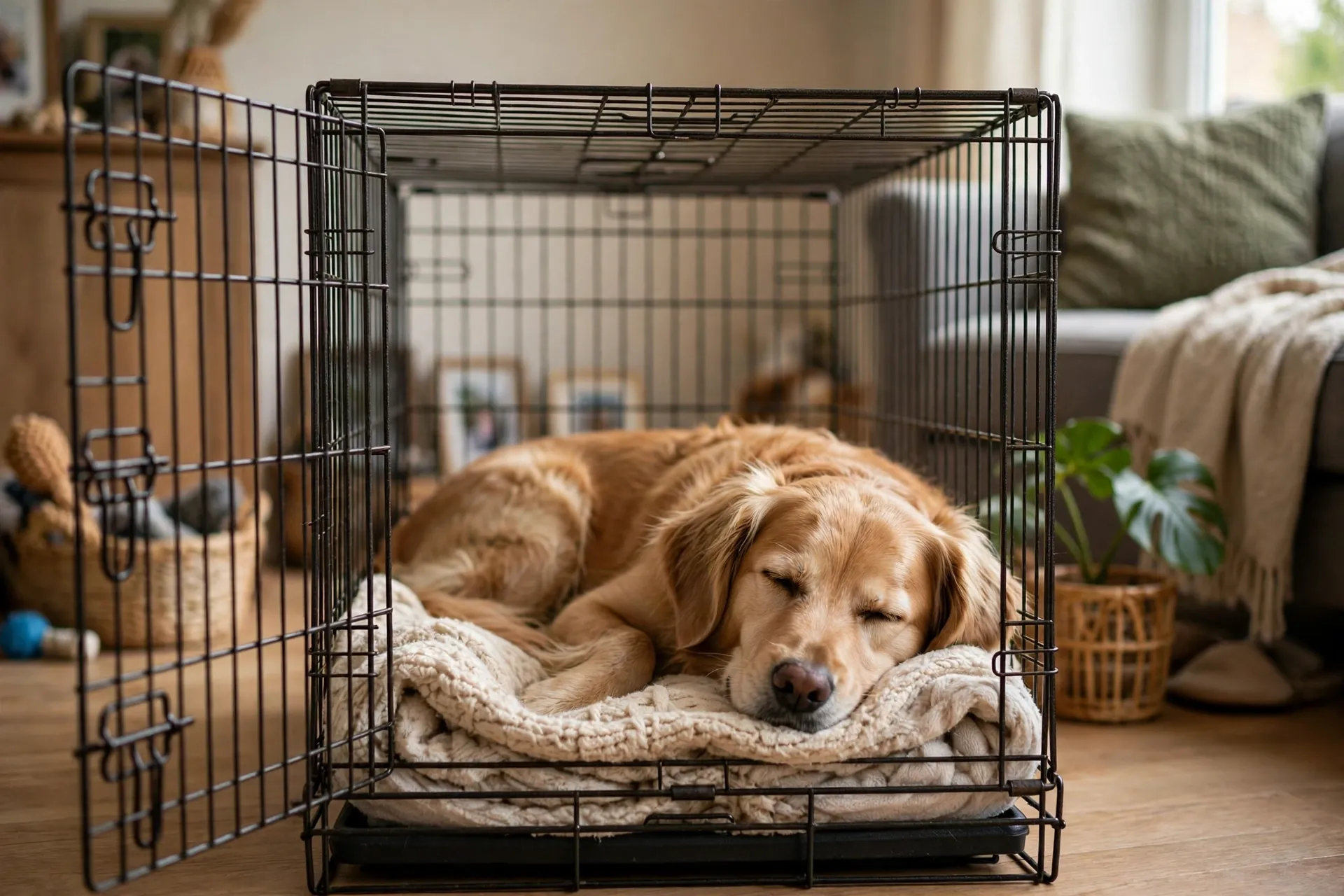
Preparation for a rescue dog's first holiday is mostly about sameness. Pack the dog's own bed, blankets, bowls, food, treats, toys and any crate the dog already uses, because familiar smells are the fastest way to make a strange room feel safer. Keep the food exactly the same brand and ration, and pack a spare day's supply separately in case of delays. If the dog takes medication, pack a spare supply in its original packaging, note the dose on your phone, and carry the vet's number and the destination practice's details. A dog that is already crate trained will benefit from the crate travelling too; our guide to crate training a dog for travel explains how a crate becomes a portable safe place rather than a confinement.
Practise the journey in miniature. Short car trips that end in something pleasant, a night sleeping in a different room at home, and a visit to a friend's garden all teach the dog that new places end safely. If the dog is nervous in the car, build up gradually with treats and short drives, and use a proper restraint for safety; check the official guidance before you travel if you are unsure about restraint rules. Update the dog's ID tag and microchip details before departure, since a holiday is the worst time to discover an old phone number on a tag, and carry a recent photograph of the dog on your phone.
Finally, brief everyone travelling with you. Agree that the dog sets the pace, that no one will force greetings, pick the dog up, or insist on a busy outing the dog is not ready for, and that the plan may change. A first holiday fails most often not because the dog is difficult but because the humans disagree about what the dog needs, so a short conversation before departure prevents most arguments on the trip.
The journey there
For many rescue dogs, the car journey is the hardest part of the holiday. Dogs that associate cars with the journey to the rescue centre, the vet or a previous home may become anxious before the engine starts, and a long, stressful drive can undo days of settling. Keep the first journey short, break it with calm stops in quiet places, and make the car itself a pleasant place beforehand with short, treat-filled trips that go nowhere stressful. Use a proper restraint, keep the car cool and ventilated, and offer water at stops without feeding a large meal immediately before travelling.
During the drive, keep the atmosphere calm: quiet music or silence rather than loud conversation, no sudden braking games, and a familiar blanket for the dog to lie on. If the dog pants, drools, whines or vomits, stop somewhere safe and let it settle before continuing, rather than pushing on to save time. Travel sickness is common in young and anxious dogs and often improves with gradual exposure, but if it is severe, ask your vet about options before the trip rather than hoping it resolves on a long drive. Arriving with a calm dog is worth an extra stop; arriving with a terrified dog sets the whole holiday back.
On arrival, resist the urge to tour the property immediately. Let the dog out for a toilet break in the garden, offer water, and settle into one room first. The dog does not need to see the whole cottage on day one, and a single safe room with its bed, water and a familiar toy is a better start than a grand tour of unfamiliar spaces.
The first hour in a new place
The first hour sets the tone for the whole trip, so make it boring on purpose. Walk the garden boundary first, checking fences and gates, then let the dog explore the garden on a lead or long line at its own pace. Move indoors to the dog's base room, set up the bed, water and a familiar toy, and sit quietly with the dog while it sniffs and investigates. Do not invite the host in for a long chat, unpack noisily, or start cooking a complicated meal while the dog is still working out whether this place is safe.
Let the dog choose where to rest, and do not drag it out of a hiding place. A dog that hides under a table or behind a sofa is coping, not misbehaving, and it will emerge when it feels safer. Sit nearby, read a book, offer a treat without demanding interaction, and let the dog approach you. If the dog will not eat, do not panic on the first evening; offer the usual food, leave it for a while, and try again later. A dog that skips one meal from stress is common, but a dog that refuses food and water for a full day needs veterinary advice, so keep an eye on intake and toileting from the start.
End the first day early and predictably. A short evening walk in daylight, the usual feeding time, a calm settling routine and a familiar bed are worth more than a sunset excursion to a busy viewpoint. The dog that sleeps soundly on the first night has learned the most important lesson of the holiday: this place is safe enough to sleep in.
A routine the dog can trust
Rescue dogs thrive on predictability, and a holiday routine should mirror home as closely as possible. Keep feeding times, walk times, toilet breaks and bedtime the same as at home, even if that means missing a lie-in or a late dinner. A dog that can predict what happens next feels safer than one that faces a new schedule every day, and the routine itself becomes a comfort in an unfamiliar place. Write the routine down for everyone travelling, so the dog gets the same pattern whoever is with it.
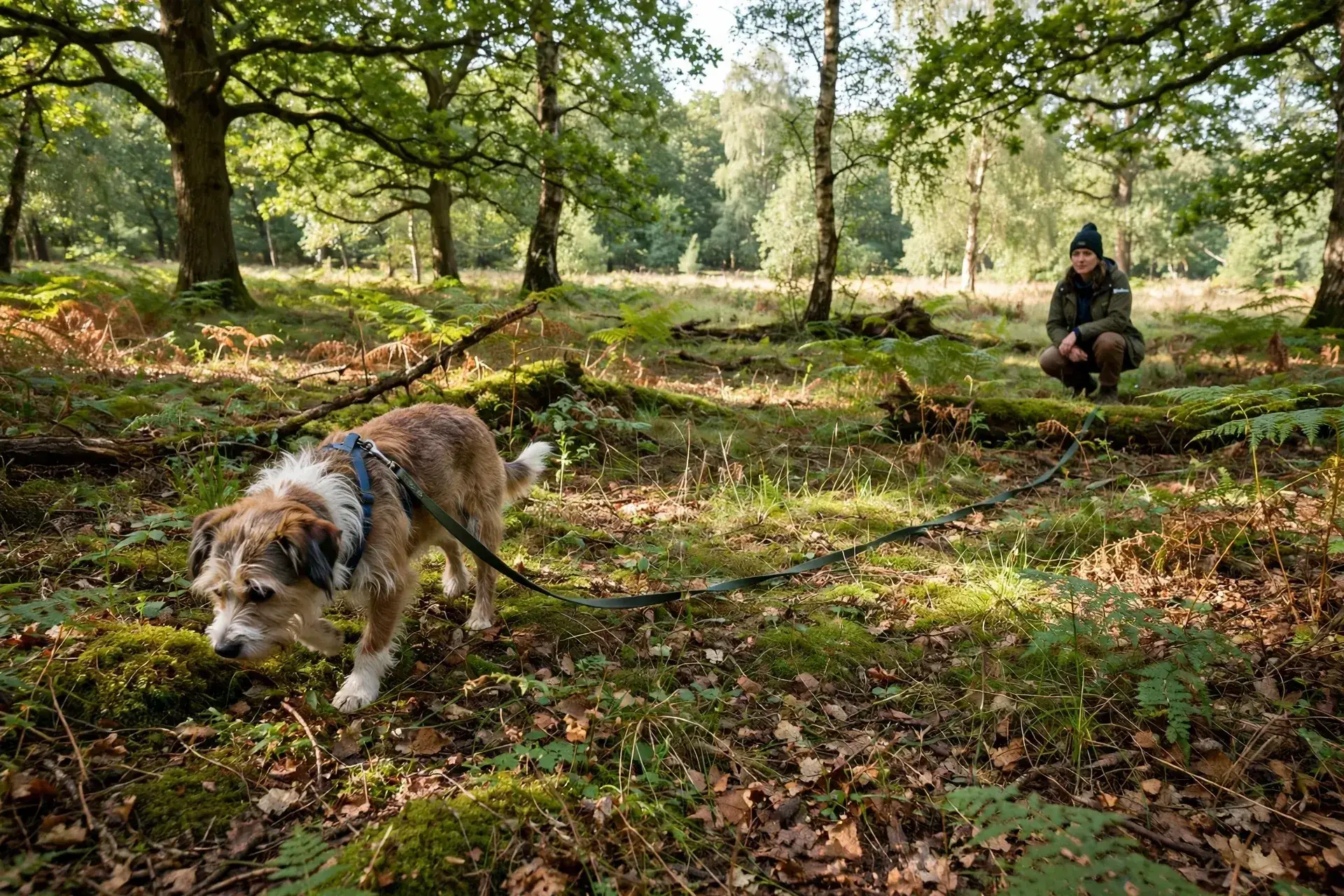
Build the day around the dog's needs rather than a sightseeing list. A typical first-holiday day might be: morning toilet and short walk, breakfast, rest, a midday garden session, a short afternoon outing, rest, evening walk, dinner and a calm evening. Outings should start short and quiet, a local lane or a quiet field, and only grow longer or busier if the dog shows it is coping: loose body language, normal eating, willingness to explore and quick recovery from surprises. If the dog is tired, withdrawn or stressed, shorten the next outing rather than pushing on to a planned destination.
Rest is not wasted time. A rescue dog on holiday needs more sleep than an experienced travelling dog, because novelty is tiring even when it looks like fun. Protect nap times, keep the base room quiet, and do not fill every hour with activity. A dog that has rested properly will enjoy the next outing far more than one dragged through a full day, and the humans will enjoy it more too.
Triggers and how to respond
Every rescue dog has triggers, and a holiday will reveal some you did not know about: a particular sound, a type of person, a vehicle, a uniform, a smell or a place that resembles something from the dog's past. The correct response is always the same: increase distance, let the dog move away, and do not force an approach. If the dog freezes, barks, lunges or tries to flee, it is communicating fear, not disobedience, and the kindest response is to create space calmly, speak quietly and return to a safe place. Flooding, the practice of forcing a dog to stay near a frightening thing until it stops reacting, can make fear worse and should never be tried on holiday.
After a frightening encounter, let the dog decompress. Offer water, a familiar treat or toy, and a quiet walk or garden time, and do not immediately try the same situation again to see if it was a fluke. Note the trigger, the context and the dog's reaction, because that record is valuable for a behaviourist later. Common holiday triggers include fireworks, farm machinery, livestock, busy markets, children on scooters, men in hats or high-visibility clothing, and other dogs off the lead, so scout routes in advance where possible and choose quieter alternatives when a trigger is likely.
If a trigger causes a serious incident, such as a bite or a prolonged panic, seek professional advice promptly rather than managing it alone. A qualified, reward-based behaviourist can build a gradual desensitisation plan, and a vet can check whether pain or anxiety medication is contributing. A holiday is not the place to fix a serious behaviour problem, but it is a good place to learn about it safely if you respond with distance and calm.
People, dogs and social pressure
Well-meaning strangers are a hazard for a nervous rescue dog. People will want to stroke the dog, offer treats, crouch over it, pick it up or let their dog say hello, and each of these can overwhelm a dog that is still learning to trust. Give the dog a clear way to opt out: step aside, create distance, and say politely that the dog is in training and does not want to say hello today. Most people accept this gracefully, and a short, firm script, practised before the trip, makes it easier than improvising under pressure.
Other dogs need the same caution. A rescue dog that is nervous around other dogs should not be forced into greetings, dog parks or busy beaches on a first holiday, and an off-lead dog approaching yours is a situation to manage by moving away rather than by hoping for the best. Keep greetings on lead, brief and at a distance the dog can cope with, and end them before the dog becomes stressed. If your dog is social and enjoys other dogs, a calm, known dog is a better first holiday friend than a random dog in a park.
Children deserve special care. A rescue dog that has not lived with children may be frightened by their speed, noise and unpredictable movement, and a child that runs up to a nervous dog can trigger a snap. Supervise all interactions, teach children to be calm and still around the dog, and never leave a child and a rescue dog unsupervised, however gentle the dog seems at home. If the dog is uncomfortable, move away without making a fuss, and do not use the holiday as a test of whether the dog likes children.
Health, safety and the way home
Health planning for a rescue dog's first holiday starts before departure. Make sure vaccinations, parasite prevention and microchip details are up to date, and carry the vet's number and the destination practice's details on your phone. Save the location of the nearest emergency vet before you arrive, as our guide to finding an emergency vet on holiday explains, because rural practices can be far away and close early. Pack medication with a spare supply, and note any allergies, dietary needs or medical conditions for anyone who might care for the dog.
Safety on the trip is mostly about containment and identification. Keep the dog on a lead or long line in unfamiliar places, check fences and gates daily, and make sure the ID tag and microchip carry current details. Consider a GPS tracker for a dog with a history of bolting, and carry a recent photograph. If the dog does escape, stay calm, do not chase, use a familiar recall cue or food at a distance, and tell the host and local vets quickly; frightened dogs often hide nearby rather than running far, so search quiet, sheltered places first.
The journey home is part of the holiday, not an afterthought. Keep the last day calm, do not pack frantically around a stressed dog, and give the dog a final quiet walk before travelling. On returning home, expect a short period of readjustment: the dog may be tired, clingy or unsettled for a day or two, and that is normal. Keep the home routine steady, offer familiar food and rest, and note what went well and what did not, because the next holiday will be built on this one. A rescue dog that comes home from a short, quiet first trip a little more confident has gained something real, and the second trip can be a little longer, a little further and a little braver, at the dog's pace.
Practical questions
Before you go
When is a rescue dog ready for a first holiday?
When the dog has settled at home, follows a predictable daily routine, and recovers reasonably quickly from new experiences. There is no fixed timescale: some dogs are ready after a few months, others need much longer. If the dog is still highly anxious at home, a holiday will add stress rather than relieve it, so wait and build confidence first.
Should a rescue dog stay in a hotel or a cottage on a first holiday?
A quiet cottage or self-catering stay usually suits a first holiday better than a busy hotel. A cottage gives the dog a consistent base, a garden, control over noise and visitors, and a routine close to home. Hotels add corridors, lifts, housekeeping visits and unfamiliar sounds that can overwhelm a nervous dog.
How long should a rescue dog's first holiday be?
Short: two or three nights is a good first length. A short trip lets the dog learn that new places are temporary and that home comes back, without the fatigue that builds over a long stay. If the short trip goes well, the next one can be longer.
What if my rescue dog is frightened by something on holiday?
Increase distance calmly, let the dog move away, and do not force an approach or flood the dog with the frightening thing. Speak quietly, offer a familiar treat or toy, and return to a safe place. Note the trigger and avoid it for the rest of the trip, then discuss a gradual desensitisation plan with a qualified behaviourist at home.
Can I leave a rescue dog alone in holiday accommodation?
Not on a first holiday, unless the dog is already comfortable being left at home and you have tested it in the new place for a very short period first. Many rescue dogs have separation anxiety, and a strange room can make it worse. Plan the trip so the dog is with someone throughout, and check the accommodation's rules before booking.
What should I do if my rescue dog escapes on holiday?
Stay calm, do not chase, and use a familiar recall cue, food or toy at a distance. Keep the dog's ID tag and microchip details up to date, carry a recent photo, and consider a GPS tracker. Tell the accommodation host and local vets quickly, and search nearby quiet places first, since frightened dogs often hide rather than run far.