This guide is independent and contains no paid placement. If affiliate links are added later, they will be clearly marked and will not change our editorial checks.
Travelling with a senior dog works best when the trip is built around comfort, not distance: book a vet check first, choose a ground-floor stay with step-free access, keep walks shorter than at home, stop at least every two hours in the car, and keep medication, feeding and sleep routines as close to normal as possible.
Book a vet check before you travel
Start with a vet appointment two to four weeks before departure, not the day before. That timing leaves room to adjust medication, order repeat prescriptions and rethink the trip if something new is found. Tell the vet where you are going, how long the drive is, what the accommodation is like and what walks you have in mind. A dog who manages well at home may struggle with a long journey, unfamiliar stairs or a busier environment, and the vet can only advise usefully if they know the actual plan.
Ask specifically about pain control, heart and breathing fitness for travel, kidney or liver conditions that affect medication, and whether any current treatment needs to change around the journey. Check vaccinations, flea and worm treatment are up to date for the area you are visiting, and confirm the microchip details are current with a phone number you will actually answer while away. If your dog is insured, note the policy number and keep it with the vet details.
Bring a short written summary home with you: current conditions, medication names and doses, what counts as a warning sign, and the out-of-hours route if your dog becomes unwell away from home. Find the nearest veterinary practice to your accommodation before you leave and save its number and address. For any health question in this guide, check the latest official guidance before you travel and follow your own vet's advice for your dog, because general information cannot replace an examination.
Arthritis, stiffness and mobility: plan for the dog's worst good day
Arthritis is common in older dogs and often shows as stiffness after rest, slowing on walks, reluctance to jump, lagging behind, licking at a joint or irritability when touched. Cold, damp weather, slippery floors and a longer-than-usual walk can all make a manageable condition noticeably worse. Plan the holiday around a typical stiff day rather than the dog's best day, and you will rarely be caught out.
Practical adjustments make a real difference. Pack a supportive, familiar bed with enough padding for bony elbows and hips, and place it away from draughts and busy doorways. Bring a non-slip mat for smooth cottage or caravan floors, because splayed legs on laminate can cause pain and loss of confidence. A well-fitting harness can help you steady and gently support a dog on a step or slope without pulling on the neck; ask your vet or a physiotherapist whether a support harness is suitable for your dog. Keep nails trimmed before the trip so grip is as good as it can be.
Watch for feedback during the break. Stiffness that is worse the morning after a walk, new reluctance to get up, panting at rest or loss of appetite are signs to cut activity back and, if they persist or worsen, to seek veterinary advice promptly rather than pushing on with the itinerary. Rest days are not wasted days for a senior dog: a garden sniff, a short potter and a long sleep are often the holiday they would choose.
Ramps, steps and ground-floor stays
Accommodation choice matters more for a senior dog than for a young one. Prioritise ground-floor sleeping, step-free entry or only one or two shallow steps, and a toilet area that does not require a flight of stairs or a long walk across a car park at night. Ask the owner direct questions before booking: how many steps are there from parking to the door, is there a ramp or level access, what flooring is in the main living space, and can a dog bed fit somewhere quiet and draught-free?
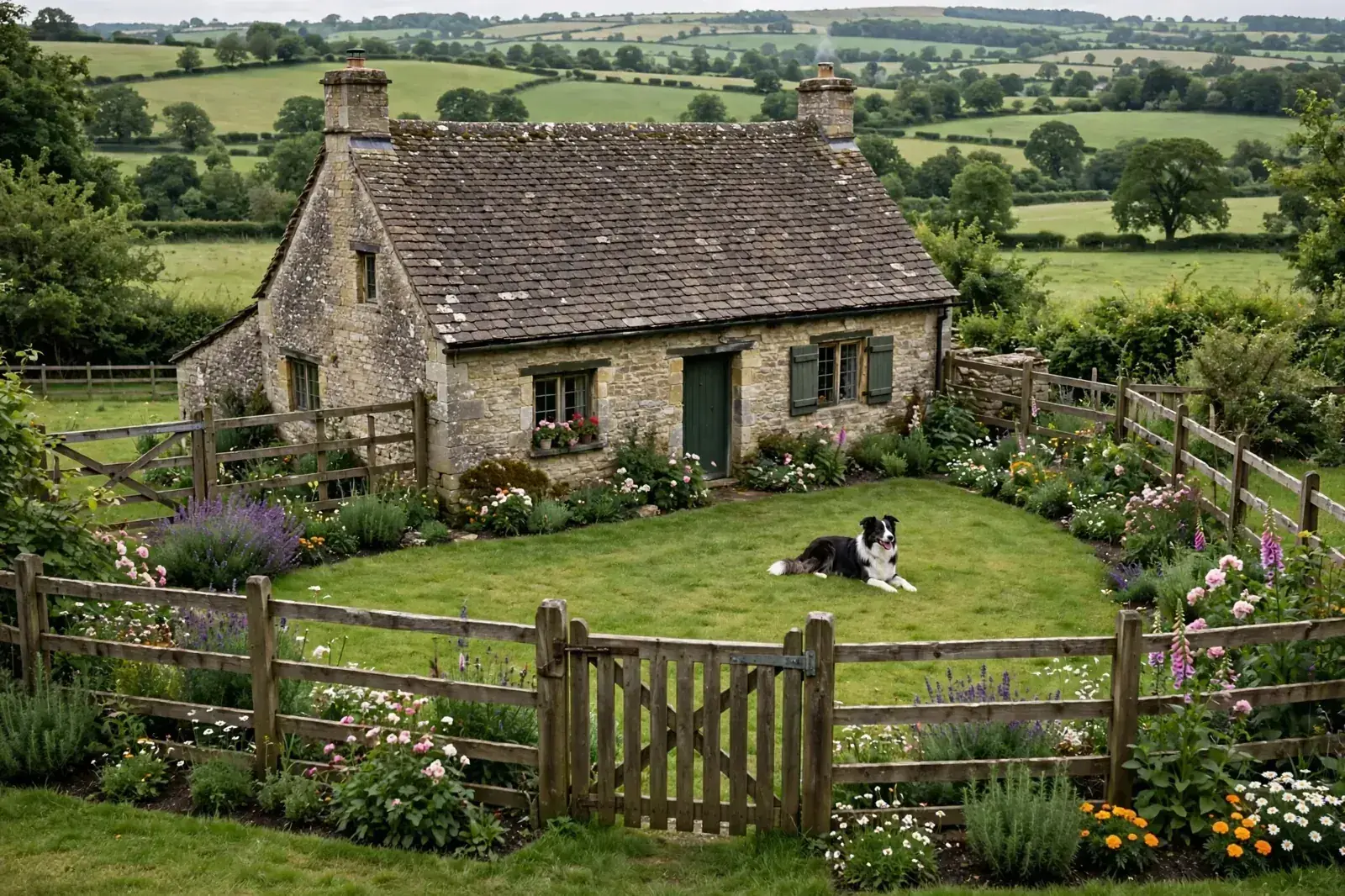
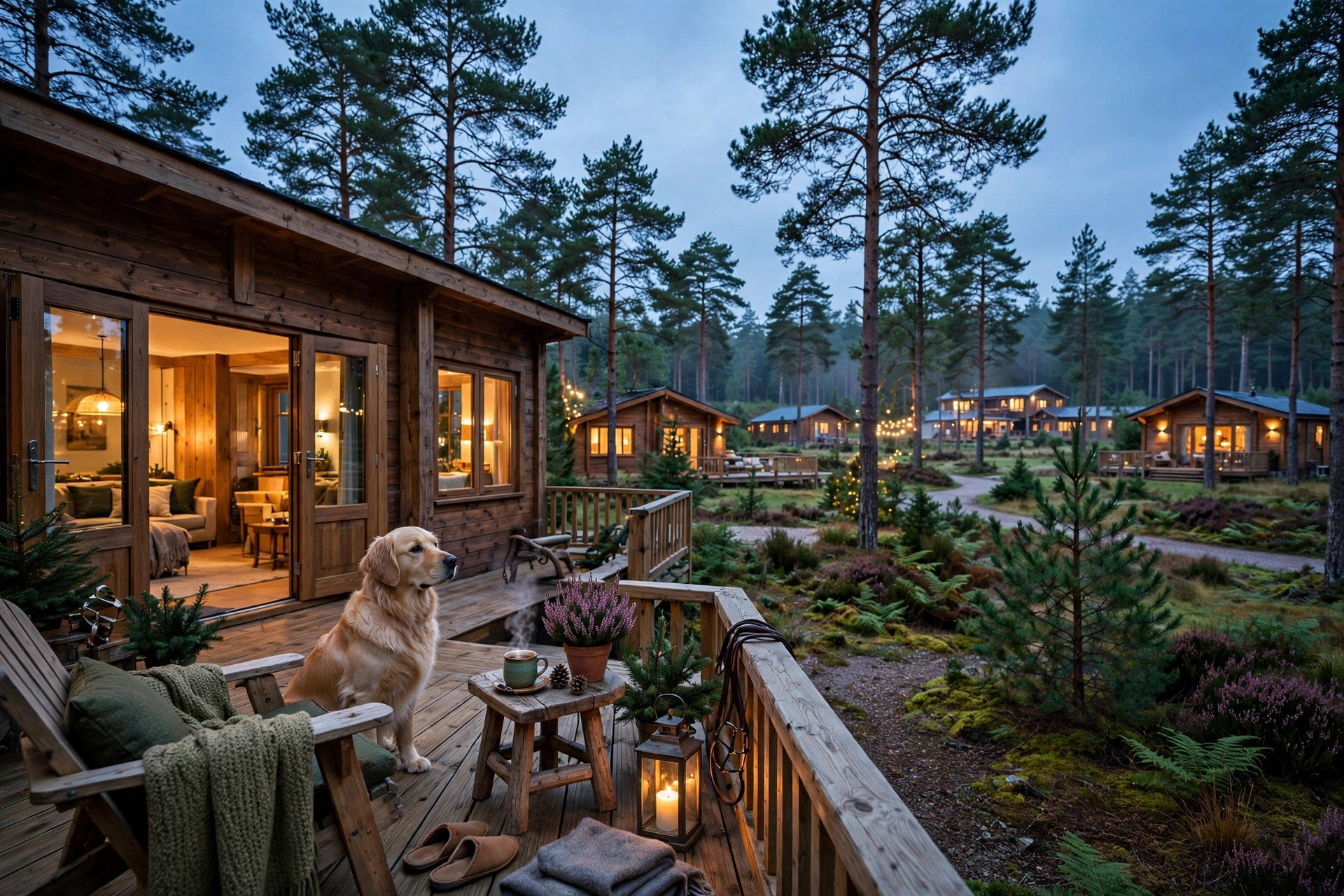
Our guide to dog-friendly holiday parks in the UK explains how to decode pet rules and site layouts before paying, and the same questions apply even more strongly here. If you prefer a house or cottage, a property with an enclosed garden, covered in our self-catering guide to secure gardens, reduces night-time lead walks and gives a stiff dog a safe, short route outdoors on its own schedule.
If your dog uses a ramp at home, bring it, and check it fits the car and the accommodation steps before departure day. If you are introducing a ramp for the first time, practise on the flat at home with treats and no pressure; a ramp first produced beside a loaded car on departure morning is likely to be refused. On arrival, walk the route from car to door with the dog before unloading, remove trip hazards, lay the non-slip mat and bed down first, and keep the first hour deliberately dull: water, a toilet break, a familiar blanket and quiet.
Shorter walks, chosen for surface and shelter
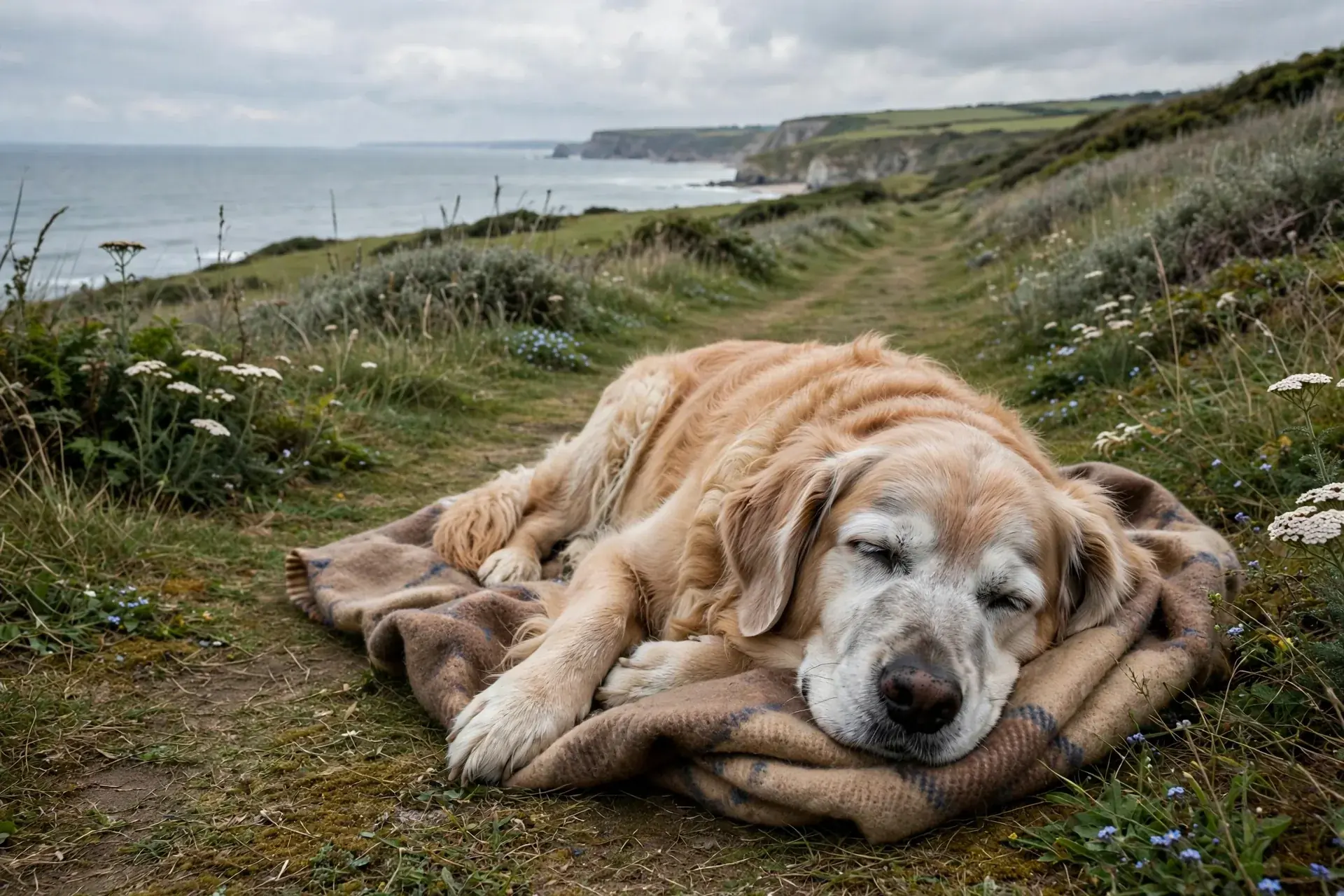
Replace one long walk with two or three short, interesting ones. For most senior dogs, sniffing time matters more than mileage: twenty unhurried minutes on grass with plenty of stops can be more satisfying, and far less costly the next day, than an hour of brisk pavement walking. Use your dog's comfortable home walk as the ceiling and plan holiday walks at or below it, especially on the first two days while you learn how travel has affected them.
Choose routes with forgiving surfaces and easy exits. Grass, packed earth and level promenades are kinder than shingle, deep sand, steep coastal climbs, stiles or long flights of steps. Check for benches, shelter and a point where you can turn back without retracing a climb. In Britain, weather can change the difficulty of a route quickly, so carry water, a small bowl, poo bags, a lead you can shorten near roads and livestock, and a light coat if your dog feels the cold or gets soaked easily. Avoid forcing pace to keep up with a group; split up if needed so one person can stay at the dog's speed.
Build the day loosely. A gentle outing after breakfast, a long rest over the middle of the day and a short evening potter suits many older dogs and also suits a slower human holiday. If you are planning a short trip, our weekend breaks with dogs plan shows how to keep a 48-hour break spacious rather than rushed, which is exactly the pace a senior dog needs.
Car comfort, restraint and regular breaks
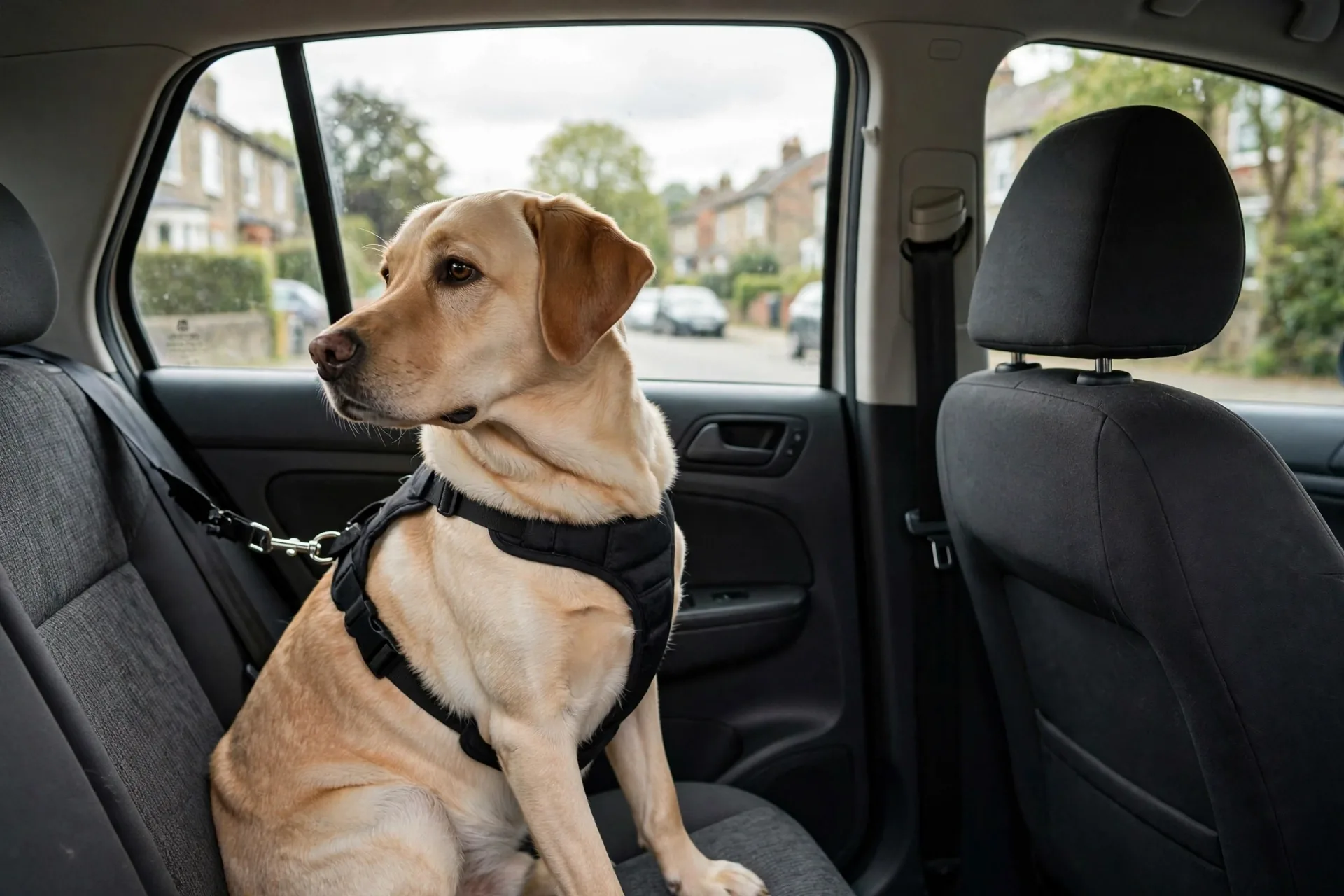
The car journey is often the hardest part of the trip for an older dog. Provide a secure, padded resting space where the dog can lie flat, turn with effort kept to a minimum and brace safely. UK drivers should also follow the Highway Code rules on restraining dogs so they do not distract the driver or cause injury in a sudden stop; our explainer on driving with a dog and UK law sets out Rule 57 in plain language. Check the latest official guidance before you travel, because rules and advice can change.
Help your dog in and out rather than letting them jump. Use a practised ramp or lift a small dog with support under the chest and hindquarters, and pause on the way down so joints are not jarred. Plan stops at least every two hours, and sooner if the dog is restless, panting or has not drunk. At each stop, offer water, allow a gentle toilet walk on flat ground and give stiff joints time to loosen before setting off again. Feed a smaller meal before travel if a full stomach makes your dog uncomfortable, and keep the car ventilated and shaded.
Never leave a dog alone in a warm car, even for a short errand, because vehicle temperatures can rise quickly and older dogs regulate heat less well. If a stop cannot include the dog, rethink the stop. On very long journeys, consider whether splitting the drive with an overnight ground-floor stay is kinder than completing it in one day, even if it adds cost.
Keep the medication and daily routine steady
Routine is a form of comfort for a senior dog. Keep feeding times, medication times, toilet breaks and bedtime as close to home as you can, even when your own holiday schedule drifts. Set phone alarms for doses, because unfamiliar days make missed medication more likely, and a missed pain or heart dose can undo an otherwise careful plan.
Pack medication in its original labelled packaging, with enough for the full trip plus extra days in case of delays, a written dosing schedule, any measuring device your dog needs and notes on what to do if a dose is missed or refused. Keep it reachable during the journey, not buried under luggage, and store it away from heat and direct sunlight. Bring familiar food for the whole stay if possible, or transition gradually before departure; a sudden diet change plus travel is a common recipe for an upset stomach in an older dog. Pack a small first-aid and comfort kit too: prescribed items only where your vet has advised them, plus a towel, spare bedding, cleaning supplies for accidents, a torch for night toilet trips and a familiar-smelling blanket.
Do not start a new supplement, pain treatment or sedative for the trip without veterinary advice, and never give human painkillers to a dog unless a vet has specifically instructed it for that dog. If your dog needs medication administered by someone else at any point, leave written instructions and demonstrate the method in person rather than relying on a message.
Temperature sensitivity in heat and cold
Older dogs often cope less well with temperature extremes. In warm weather, travel in the cooler parts of the day, walk early and late, choose shaded routes, offer water frequently and watch for heavy panting, drooling, seeking shade or reluctance to continue. Brachycephalic breeds, dogs with heart or breathing problems and overweight dogs need extra caution in heat. If a dog shows signs of overheating or collapse, seek urgent veterinary help; check the latest official guidance before you travel for current advice on heatstroke first aid.
In cold and wet weather, the risks are stiffness, shaking, reluctance to go out and getting chilled after a soaking. A well-fitting coat can help a thin, old or short-coated dog, provided it does not restrict movement or overheat them indoors. Dry the dog thoroughly after wet outings, especially between toes and around joints, provide a warm bed off cold floors and shorten walks rather than skipping toilet opportunities altogether. British coastal and hill weather can shift within an hour, so plan each outing with a shorter bail-out option and do not rely on a single forecast checked days earlier.
At the accommodation, check heating and ventilation on arrival. A caravan or cottage that is lovely for people can be draughty at floor level or stifling in sun through large windows. Move the dog's bed to the most stable-temperature spot in the room; that small decision often improves sleep more than any new purchase.
When the kindest decision is not to travel
Not every senior dog should travel, and deciding not to go is not a failure. Consider postponing or arranging care at home if your vet advises against travel, if pain is not well controlled, if there is a new or worsening heart, breathing, kidney or mobility problem, if your dog is recovering from surgery or a recent illness, or if they become very distressed by car journeys, new places or broken sleep. A dog who no longer enjoys novelty may be far happier in their own bed with a trusted sitter, a familiar routine and no journey at all.
If you go ahead, keep the plan reversible. Choose accommodation with cancellation terms you understand, avoid non-refundable add-ons built around long walks or busy attractions, tell your accommodation provider honestly about your dog's mobility needs and keep the home vet's number and the local vet's number together in your phone. Build each day around one gentle highlight at most, and be willing to abandon it without frustration if the dog needs rest instead.
Travelled well, a senior dog's holiday looks undramatic: short drives, a level stay, soft ground, familiar food and medicine on time, and long, companionable rests. That quiet version of a break is not a lesser holiday. For many older dogs, and for the people who love them, it is the best one available.
Practical questions
Before you go
How far can a senior dog walk on holiday?
There is no single safe distance. Use your dog's comfortable home walk as the ceiling, not the starting point, and plan holiday walks at or below that length with a rest day feel: frequent sniffing stops, flat ground and an easy turn-back point. If your dog lags, pants heavily, sits down or is stiff the next morning, the walk was too long, so shorten the next one.
Should a senior dog use a ramp or be lifted into the car?
A ramp is usually kinder than lifting for medium and large dogs, and for any dog with arthritis, a weak back or sore hips, provided the ramp is non-slip, not too steep and practised at home first. Small dogs who are used to being lifted calmly may be fine being lifted with support under the chest and hindquarters. Never drag or haul a dog up by the collar or front legs.
How often should we stop on a long drive with an older dog?
Plan a stop at least every two hours, and sooner in warm weather or if your dog is restless, panting or has not drunk. Each stop should allow a gentle toilet walk on a lead, an offer of water and a chance to stretch stiff joints on flat ground. Short, unhurried stops protect comfort far better than one long stop after several hours.
What should I pack for a senior dog's medication routine?
Pack medication in its original labelled packaging, with enough for the whole trip plus extra days in case of delays, a written dosing schedule, your vet's phone number and a note of what to do if a dose is missed. Keep medication in hand luggage or where you can reach it during the journey, not buried in the boot, and store it away from heat and direct sunlight.
When should I leave my senior dog at home instead of travelling?
Consider not travelling if your vet advises against it, if pain is not well controlled, if your dog has a new or worsening heart, breathing or mobility problem, if they are recovering from surgery or illness, or if they become very distressed by change. A trusted sitter in their own home, or a familiar boarder, can be the kinder choice, and skipping one trip protects many future gentle outings.