This guide is independent and contains no paid placement. If affiliate links are added later, they will be clearly marked and will not change our editorial checks.
For two people and one dog, a week in Wales typically costs £700-£1,100 on a careful budget, £1,100-£1,700 for a comfortable self-catering week, and £1,700-£2,500+ for a premium one. Wales undercuts Cornwall and the Lake District most reliably on accommodation, and because beaches, the coast path, national park walks and castle exteriors are free, the daily spend once you arrive can be strikingly low. Prices below are ranges only and they move: check the operator's latest quote before you travel.
Why Wales is the budget pick for dog owners
Wales earns its value reputation on two separate fronts: the places you sleep cost less than their equivalents across the border, and the things you do with the dog cost almost nothing. A like-for-like two-bedroom dog-friendly cottage in Pembrokeshire or the Conwy valley commonly lists 10-20% below a comparable one in Cornwall or the Lake District, and that gap widens in shoulder season when Welsh coastal towns empty faster. The structural difference matters more than any single discount: Wales' best dog days are free. The Wales Coast Path runs the whole 870 miles of shoreline, the national parks of Snowdonia, the Brecon Beacons and the Pembrokeshire Coast ask no entry fee, dozens of beaches welcome dogs outside the summer restriction season at no charge, and the great medieval castles of Conwy, Caernarfon and Harlech are at their most photogenic from the outside — which is the side your dog is allowed on anyway.
The practical effect is that your weekly bill is dominated by accommodation and getting there, while the middle of the budget — the part that bleeds money on other holidays — stays thin. Two adults can spend a full week walking the coast path, exploring harbour towns and picnic-ing on beaches without a single admission ticket, provided the dog can lie quietly on a pub terrace for the occasional pint. Eating out is also calmer on the wallet: Wales has a deep bench of dog-friendly pubs serving a main course in the £12-£18 range, and coastal cafes in Pembrokeshire, Gower and the Llyn Peninsula compete on price in a way that Cornwall's most famous foodie towns often do not. None of this means Wales is cheap in absolute terms — August cottage prices can double, and parking in the honeypots adds up — but pound for pound of dog happiness, it is the strongest value proposition in Britain.
To calibrate against a familiar reference point, see how a week in Cornwall with a dog breaks down: many of the line items are the same, but the accommodation ceiling and the summer beach-parking arithmetic are both harsher. The difference between the two trips is not what you do all day — it is what you pay for the roof over your head at night, and how much of the landscape you get for free.
Three weekly budget bands
All figures below are for two adults and one medium dog for a seven-night stay, and all are ranges rather than promises: prices move with season, location and operator. The bands assume self-catering or pub meals rather than daily restaurants, and they include accommodation, pet fees, food and drink, fuel, parking and one or two paid treats.
Careful budget: £700-£1,100. This is the camping, touring caravan or budget self-catering week. Pitch fees of £12-£22 a night for two people plus a small dog charge, a simple two-bedroom cottage booked for a shoulder week, cooking most meals, and free activities every day. Many dog owners land here comfortably in May or late September: the weather is often kind, the beaches are quiet, and the savings against August can exceed £300 before you have changed a single plan.
Comfortable self-catering: £1,100-£1,700. The most common shape of a Welsh dog week. A two-bedroom farm or village cottage with an enclosed garden, one or two pub dinners out, a couple of paid experiences such as a coastal boat trip (£25-£45 per adult) or a castle interior visit (£7-£12 per adult while the dog waits with one person), and a sensible food shop from a Welsh market town. Pet fees, parking and fuel are all absorbed inside this band, and it leaves slack for one rainy-day drive into Cardiff or a heritage railway line that takes dogs.
Premium: £1,700-£2,500+. A character cottage or small hotel-with-dog-policy at the top end of the market, several dinners out, boat trips, a surf or coasteering session if the dog stays happily at the accommodation for a few hours, and less cooking. At this level the extra spend goes mostly on where you sleep and how often you hand the cooking to someone else; the free walking, beach and castle-exterior content of the week stays the same.
The band you fall into is decided in two bookings: where you sleep, and when. Shifting an August week into early September can cut accommodation alone by a quarter to a third, and swapping a seaside honeypot for a village ten miles inland often trims the cottage price while keeping every beach within a twenty-minute drive. If you want a more systematic way to pull those levers, our guide to cheap dog-friendly holidays in the UK works through the timing, booking and self-catering moves that apply equally well here.
Accommodation: where the money goes
Accommodation is the biggest single line in every Wales dog-holiday budget, and it is also where Wales' price advantage shows most clearly. The market divides roughly into three tiers: campsites and touring pitches, cottages and farm stays, and hotels, B&Bs and hostels.
Cottages and farm stays. The classic Welsh dog week. A two-bedroom dog-friendly cottage for two adults and a dog typically runs £450-£750 a week in low season (November to March, excluding Christmas and half terms), £600-£950 in shoulder months (April-June, September-October) and £800-£1,400 in the school summer peak. Farm stays with an enclosed yard are worth prioritising for reactive dogs or night-time toilet trips — they often price at the middle of the range and include practical extras such as boot rooms and fenced paddocks. Read the fee stack carefully: pet fee, damage deposit (often £100-£250, refundable), linen or cleaning charges (£40-£80), and in some cases a metered electricity or hot-tub surcharge. The headline weekly rate can understate the invoice by £100 or more.
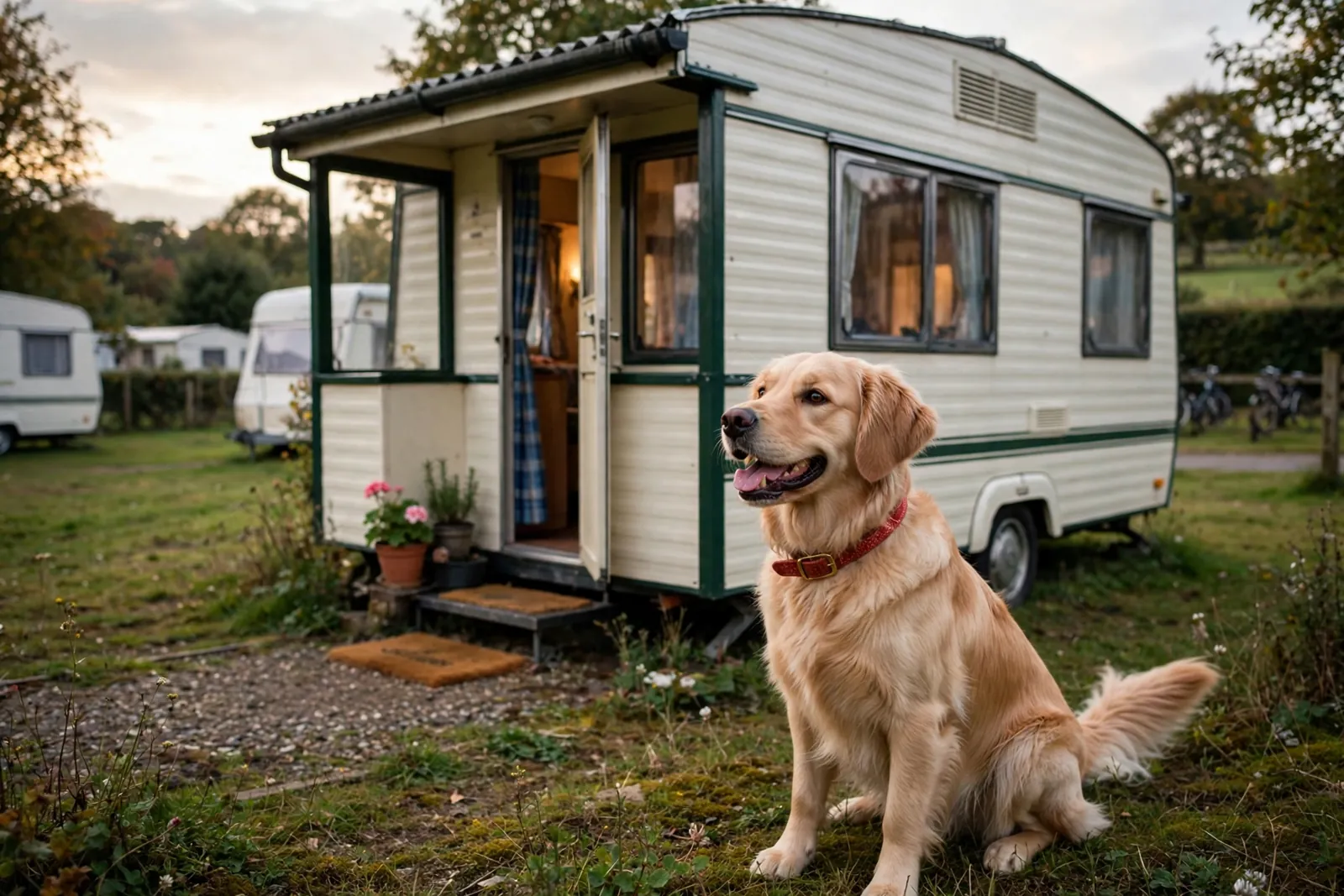
Campsites and touring pitches. The value tier. Grass pitches on Welsh farm campsites commonly run £12-£25 a night for two people, with a dog charge of £2-£5 a night folded in or added on. Electric hook-up adds £4-£7 a night. A week on a small site near the Pembrokeshire or Gower coast can land at £120-£220 all in, which is why camping is the fastest route to the £700-band week. The trade-off is weather dependence: Wales earns its greenery from rain, so bring a robust tent, drying systems for the dog, and a hard-standing fallback plan for genuinely bad weeks.
Hotels, B&Bs and hostels. Coastal B&Bs that take dogs typically charge £90-£140 a night for two with breakfast, and the good ones are explicit about which rooms accept dogs and where the dog eats. Some YHA hostels accept dogs in private rooms — worth checking route by route for walking holidays along the coast path. Seafront hotels with generous dog policies sit at the premium end, often £130-£220 a night, and may add a per-night dog fee on top. If you stay in several places across the week, book each stop explicitly as dog-accepting rather than assuming a chain's policy applies everywhere.
Pet fees in detail. Across all accommodation types, budget £25-£60 per dog per week at cottages and holiday parks, sometimes priced as £30-£50 per stay or £5-£8 per night. Two dogs commonly add £60-£120 to the week's invoice, and a few premium properties charge per dog per night with no cap — always multiply before you fall in love with the listing. Assistance dogs are a separate category and should not attract pet fees; declare the dog's status at booking. Get the all-in total with every dog-related charge itemised in writing before you pay the deposit, because "pet fee on request" almost never turns out to be the number you hope for.
Food and drink
Food is the most flexible line in the budget, and Wales gives you good reasons to keep it in the middle rather than the premium end. A realistic weekly food spend for two adults runs £180-£280 if you self-cater most meals with a supermarket base and local-market top-ups, £280-£450 if you mix cooking with several pub meals, and £450+ if you eat out most nights.
The dog-friendly pub is Wales' great eating institution and its great bargain. Across the country, village pubs and coastal inns welcome dogs in the bar or on the terrace as a matter of course; a main course typically runs £12-£18 and a pint £4-£5.50, so two adults and a dog lying quietly under the table can eat for £35-£50 including drinks. Check the arrangement before you commit the dog: some pubs allow dogs only in the bar or garden, not the restaurant, and wet-dog rules tighten in peak season. For self-caterers, Welsh market towns such as Cardigan, Abergavenny and Machynlleth host excellent farmers' markets — laverbread, Welsh cakes, Caerphilly cheese and local lamb are cheaper and better here than they will ever be at home.
Budget one practical extra for the dog's diet: if your dog eats a particular brand of food, bring the full week's supply. Rural Welsh shops carry a narrower range than city supermarkets, and switching food mid-week is a digestive gamble you do not want on a walking holiday. Treats from farm shops are lovely; a full diet change is not.
Getting there, fuel and parking
Travel cost depends on where you start, but a few rules of thumb hold. Driving from the English Midlands or the South East to mid-Wales is roughly 200-300 miles each way; at current fuel prices and average consumption, that is £40-£80 of fuel round trip plus £3-£8 in tolls if you cross the Severn (the bridge tolls themselves were abolished, but allow for toll routes elsewhere). Once you are there, budget £30-£60 of local driving fuel for a week of beach and trail trips — Welsh distances feel short on a map and long on single-track roads.
Parking is the line that ambushes careful budgets. Coastal car parks in Pembrokeshire, Gower and the Llyn Peninsula commonly charge £5-£10 a day, and a two-beach day therefore costs £10-£20 before you have eaten or drunk anything. Multiply that by seven and parking alone can exceed £100 for the week — more than the pet fee, sometimes more than a night's accommodation on the camping tier. Defences: check whether the national park authority or council sells a weekly or annual parking ticket (Pembrokeshire Coast and Snowdonia both offer passes that repay within a few days of heavy use), park once and walk between two coves on the coast path instead of driving between them, and prefer towns with rail stations or village bases from which the first good walk starts at the front door.
Public transport changes the arithmetic rather than removing it. Dogs travel free on most trains and buses in Wales — Transport for Wales and local operators accept dogs without charge — so a car-free week based in a rail-served town such as Tenby, Aberystwyth or Llandudno is genuinely workable. The catch is reach: the wildest beaches and trailheads need a car, and taxi firms that take dogs must be booked ahead. If you drive an EV, check charger coverage before committing to a remote base; the coast and the mountains both thin out fast.
The free stuff that fills the week
This is the section that explains the tldr's low daily spend. Once accommodation is paid, a Welsh dog week can run on almost nothing, because the scenery charges no admission.
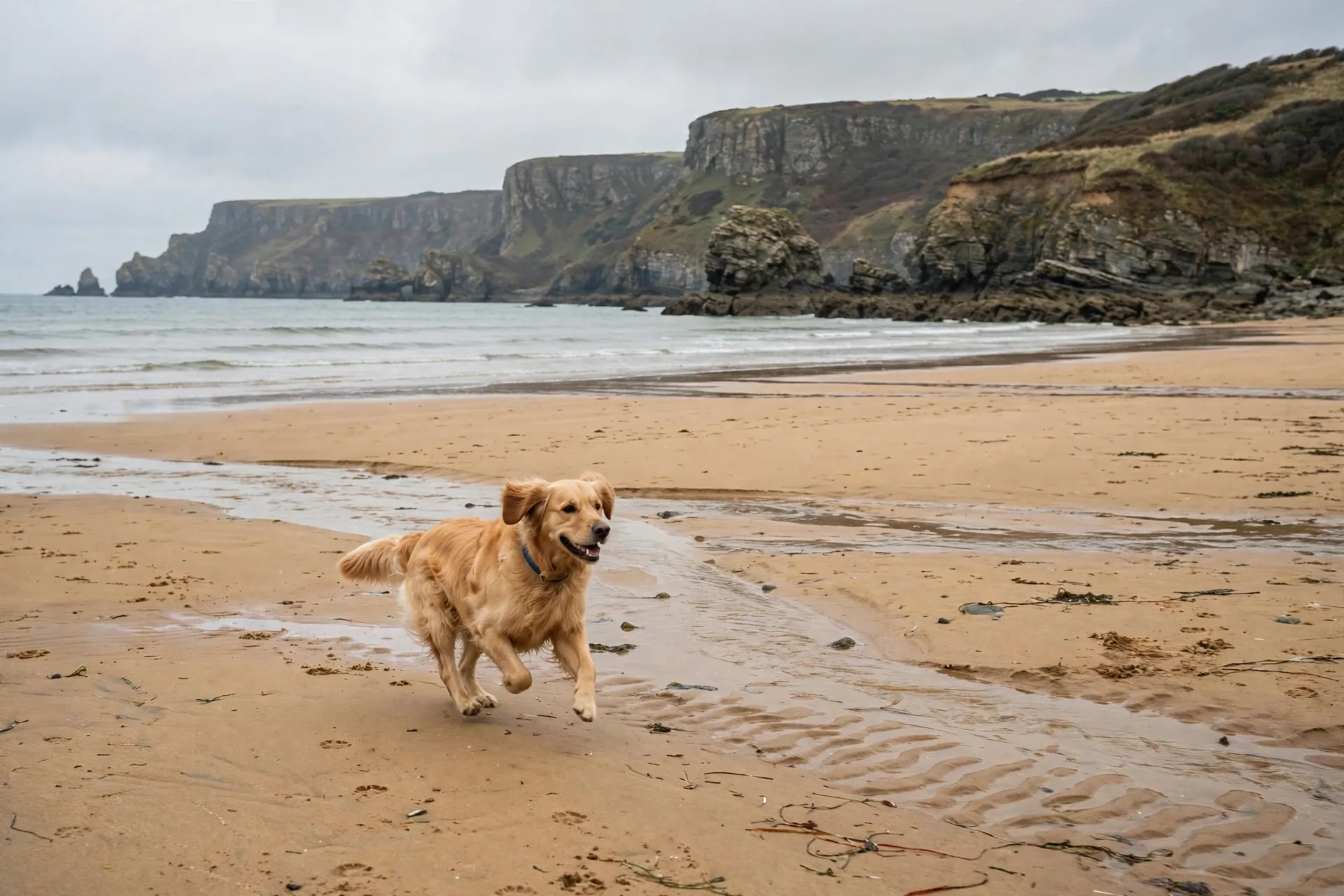
Beaches. Wales has hundreds of dog-friendly beaches, and the default outside summer is freedom. Seasonal restrictions (commonly 1 May to 30 September) apply to some main town beaches — Aberystwyth's north beach and Tenby's main sands among them — so check the council's current signage before you travel, as schemes change. But away from the managed town beaches, the rule is simple: coast path coves, estuary sands and surfing beaches such as those on Gower and in Pembrokeshire welcome dogs year-round. A beach day costs parking, a pasty and whatever the dog drinks — which is why two beaches beat one when the tide timetable works.
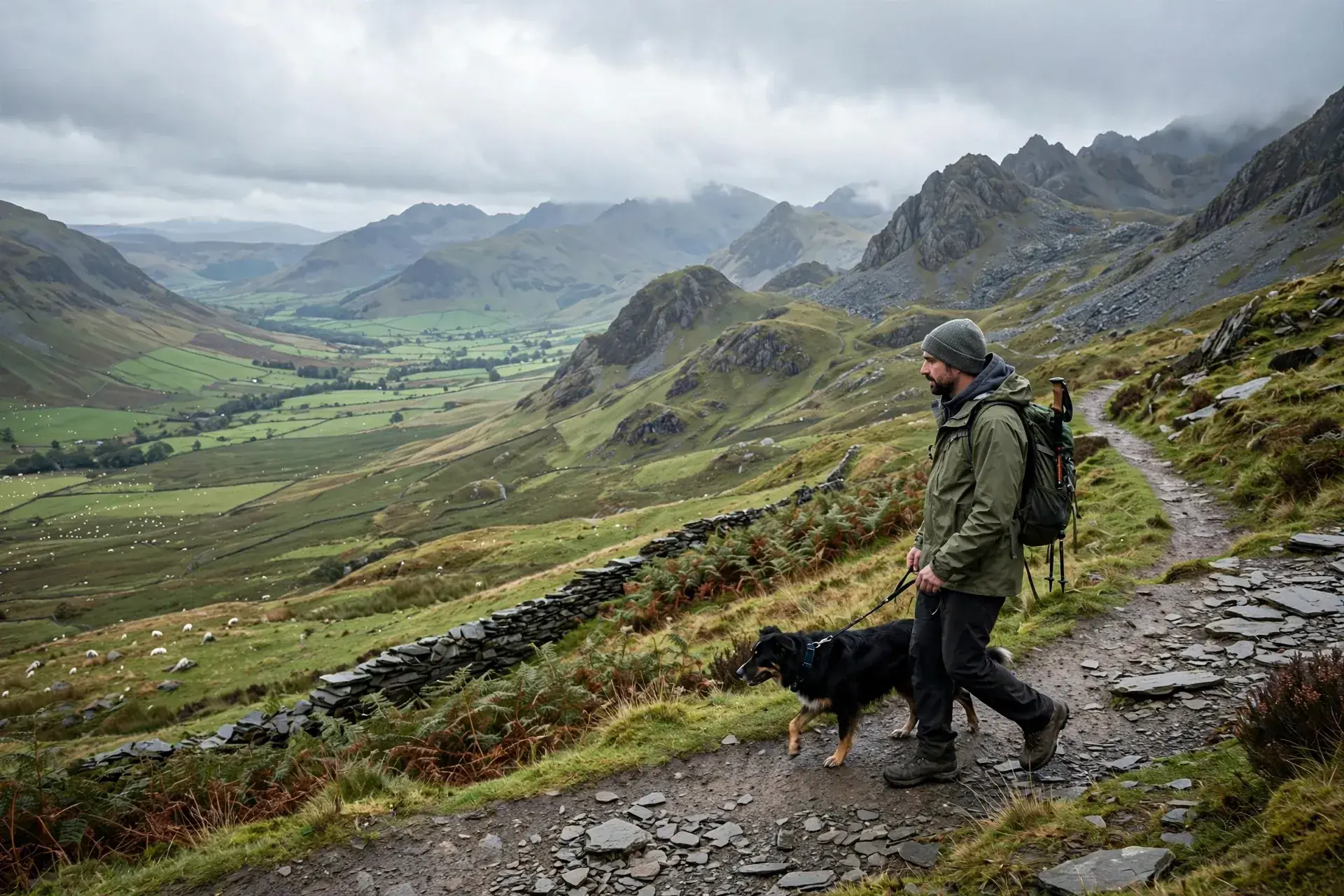
Walking. The Wales Coast Path's 870 miles are free forever, and most of it is walkable with a dog on a lead or under close control near livestock. National park fells — Snowdonia, the Brecon Beacons, the Pembrokeshire coast — charge no entry fee, which makes them one of the cheapest mountain weeks in Europe. For a head start on the serious hills, our Snowdonia dog guide covers lead rules, sheep country and the easier routes. Forest walks under Natural Resources Wales are free too, and canal towpaths in Powys make excellent flat-weather days for older dogs.
Castles and towns. The great castle exteriors — Conwy with its walls reflected in the estuary, Caernarfon's polygonal towers, Harlech on its rock — are best enjoyed from outside anyway, and outside is free. Walled-town streets, harbours, promenades and market squares cost nothing to wander, and many have water bowls outside the shops. If you do want the interior, Cadw admission is typically £7-£12 per adult while the dog rests with one person — a pleasant exception rather than a daily habit.
Seven free days is easy to fill: two coast-path walks, two beach days, one town-and-castle-exterior day, one forest or canal day, and one genuinely lazy day near the cottage where the dog gets the garden and you get the book. Not one of those costs an admission ticket.
The saving checklist
Put together, the week obeys a short list of moves. Each one is small; stacked, they are the difference between the bands.
- Travel in shoulder season. May, June and September cut accommodation by a quarter to a third against August, and the dog bans have lifted on many beaches by autumn. The single biggest lever in the whole budget.
- Base ten miles inland. A village cottage near the coast costs noticeably less than a seafront one, and every beach stays within a short drive. The view from the bedroom is not worth £200 a week unless it genuinely is.
- Self-cater the breakfasts and most lunches. Pub dinners out feel special because the other meals are cheap. A farm-shop picnic on the coast path is a better lunch than a cafe queue anyway.
- Park once per day. One car park, one long coast-path walk linking two coves, one return. The two-car-park day is where the parking budget dies.
- Check weekly and annual parking passes. National park and council passes repay within a few heavy-use days — price them before you arrive, not from the car park barrier.
- Bring the dog's full food supply and a basic first-aid kit. Two of the most annoying mid-week spends, both entirely preventable.
- Choose the enclosed garden. It saves paid dog-sitting, saves night-time drives to a toilet field, and lets the dog self-exercise on the days you rest.
- Book direct where you can. Platform service fees of 10-15% are real money on a £900 cottage. Direct bookings also make it easier to get the pet-fee rules in writing from the owner.
- Treat paid attractions as exceptions. One castle interior and one boat trip per week is plenty when the free walking is this good. The paid-day budget should be a deliberate choice, not a drift.
- Keep a £100 float. Weather, vet, parking, ice cream. Unspent money is the best souvenir.
Wales rewards the budget planner more than almost anywhere in Britain: the free content is so good that saving money never feels like missing out. That is the whole pitch — book the roof, drive west, and let the coast path, the beaches and the castle walls do the rest. Prices move, so treat every figure here as a range and check the operator's latest quote before you travel; the structure of the saving, though, does not move at all.
Practical questions
Before you go
Is a week in Wales with a dog genuinely cheaper than a week in Cornwall or the Lake District?
Usually, yes. Like-for-like dog-friendly cottages and campsites in Wales commonly sit 10-20% below Cornish equivalents, and the biggest saving is structural: more of the best scenery is free. The Wales Coast Path, national park fells, beaches outside the summer ban zones and castle exteriors cost nothing, so your daily spend collapses once accommodation is covered.
How much does a dog-friendly self-catering cottage in Wales cost for a week?
For two people and a dog, a simple two-bedroom farm or coastal cottage typically runs £450-£750 per week in low season, £600-£950 in shoulder months, and £800-£1,400 in the August peak. Prices move with demand and cottage quality, so always check the operator's latest quote before you travel and read the pet fee, linen charge and cleaning fee lines.
What pet fees do Welsh cottages, parks and campsites charge?
Expect roughly £25-£60 per dog per week at cottages and holiday parks, sometimes charged as £30-£50 per stay or £5-£8 per night. Many campsites charge £2-£5 per dog per night or fold it into the pitch price. Two dogs can add £60-£120 to a week, so get the all-in total with every dog-related charge in writing before you pay the deposit.
Which of the best costs in Wales are actually free with a dog?
Most of them. The 870-mile Wales Coast Path is free, national park walks in Snowdonia, the Brecon Beacons and Pembrokeshire are free, and dozens of dog-friendly beaches cost nothing to use. Castle exteriors and walled-town views at places like Conwy and Caernarfon are free to enjoy from outside, and many harbours, promenades and country pubs with terraces welcome dogs without a cover charge.
What is the single biggest hidden cost on a Wales dog holiday?
Parking and beach-car-park fees, because they are small, frequent and easy to forget. Coastal car parks commonly run £5-£10 a day, and two beach trips a day for a week adds up to a second accommodation bill. Check annual or weekly parking options, reuse rail-station walks, and treat every coastal car park as a line in the budget, not an afterthought.
Can I take my dog to Welsh castles?
Mostly from the outside. Castle interiors run by Cadw and other operators generally do not admit dogs except assistance dogs, and admission is typically £7-£12 per adult anyway. But the exteriors, walls, moats, walled-town streets and harbour views are free to explore with a dog, which is where most of the photographic value sits.