This guide is independent and contains no paid placement. If affiliate links are added later, they will be clearly marked and will not change our editorial checks.
Build your days on the canals, wander the Jewellery Quarter on a lead, give the dog a half day in vast Sutton Park, split the big indoor attractions because most are assistance-dogs only inside, and use the tram and trains with the operators' current dog conditions checked first. Verify each venue on its official site before you go.
The canal network is the city's dog spine
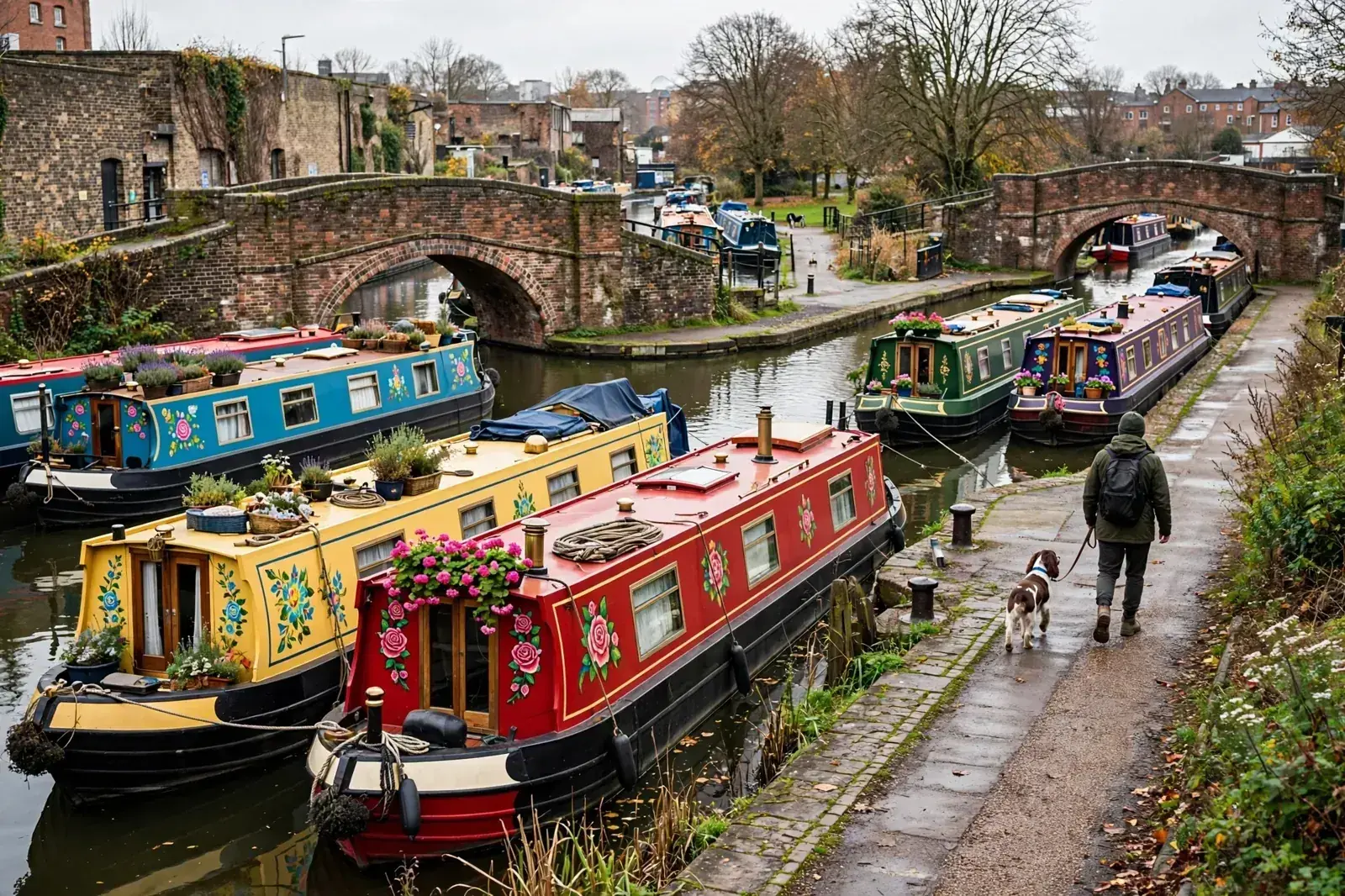
Birmingham's famous boast — more miles of canal than Venice — is usually quoted as trivia, but for a dog owner it is the city's defining practical asset. The Birmingham Canal Navigations thread through the centre in every direction: the main line towards Wolverhampton, the Fazeley and Grand Union routes, the canals around the city-centre junctions where narrowboats queue at locks. In the centre, the towpaths around Brindleyplace, the canal junctions and the Gas Street area give you flat, traffic-free walking that starts minutes from the main stations and shopping streets, and they change the whole experience of a Birmingham city break with a dog.
Towpath craft is the same here as everywhere, with Birmingham specifics. Keep leads short under bridges and at lock flights and junctions where sightlines are tight, step aside for cyclists and runners, and keep dogs out of canal water — banks are steep, water quality is not for swimming, and moored liveaboard boats deserve the respect you would give a front garden. The central towpaths are the best-lit and most populated; for evening walks in winter, stay central or use the parks' lit main paths. After rain, the resurfaced central stretches hold up well while outlying sections muddy, so rainy days are central-canal days.
Plan the canals as journeys, not loops around a basin. Walk out from the centre towards the university and Edgbaston, towards the Jewellery Quarter by canal, or north towards the locks that climb out of the city, then return by train, tram or bus from a different point. Each arm of the network has a different character — commercial and polished in the centre, greener and quieter within a mile or two — and varying the arm varies the holiday. For the general method of building city breaks this way, see our UK weekend breaks with dogs guide, and carry water on longer towpath stretches, because taps and cafes thin out faster than the map implies.
The Jewellery Quarter and the city centre
The Jewellery Quarter, the historic working district north-west of the centre, is Birmingham's best lead-walk neighbourhood: handsome industrial streets, independent cafes and pubs, a famous clock tower landmark, and a pace several notches calmer than the shopping core. It suits a morning browse with the dog at heel — many cafes and pubs here welcome dogs, particularly in bar areas, but verify each venue as policies change — and it connects naturally to the canals, so a quarter-plus-towpath loop makes a complete half day without touching a bus. The district's working character means weekday pavements carry deliveries and workshop traffic; weekends are the leisure version.
The commercial centre needs a strategy rather than enthusiasm. The main shopping areas and the Bullring district are best crossed purposefully, early or late, rather than browsed at Saturday lunchtime with a dog at ankle height among the crowds. The cathedral green and the squares of the business district give breathing space and short lead walks in the heart of things, and the streets between the centre, the Jewellery Quarter and the canal network are where the centre's dog-friendly cafes and pubs concentrate. Event days at the city's arenas and convention venues, and matchdays at the football grounds outside the centre, reshape crowds and transport; check what is on before choosing a central Saturday itinerary.
Museum-wise, the quarter's own small museums and workshops follow the pattern detailed in the attractions section: verify each one individually, expect interiors to be assistance-dogs only in many cases, and use the split-visit rhythm. What the centre offers a dog generously is texture — architecture, canal corners, market streets from the outside, and neighbourhoods with real local life. Owners who accept the centre on those terms, and who give the dog its exercise on the canals and in the parks rather than between shops, report the best Birmingham trips.
Sutton Park: the great escape
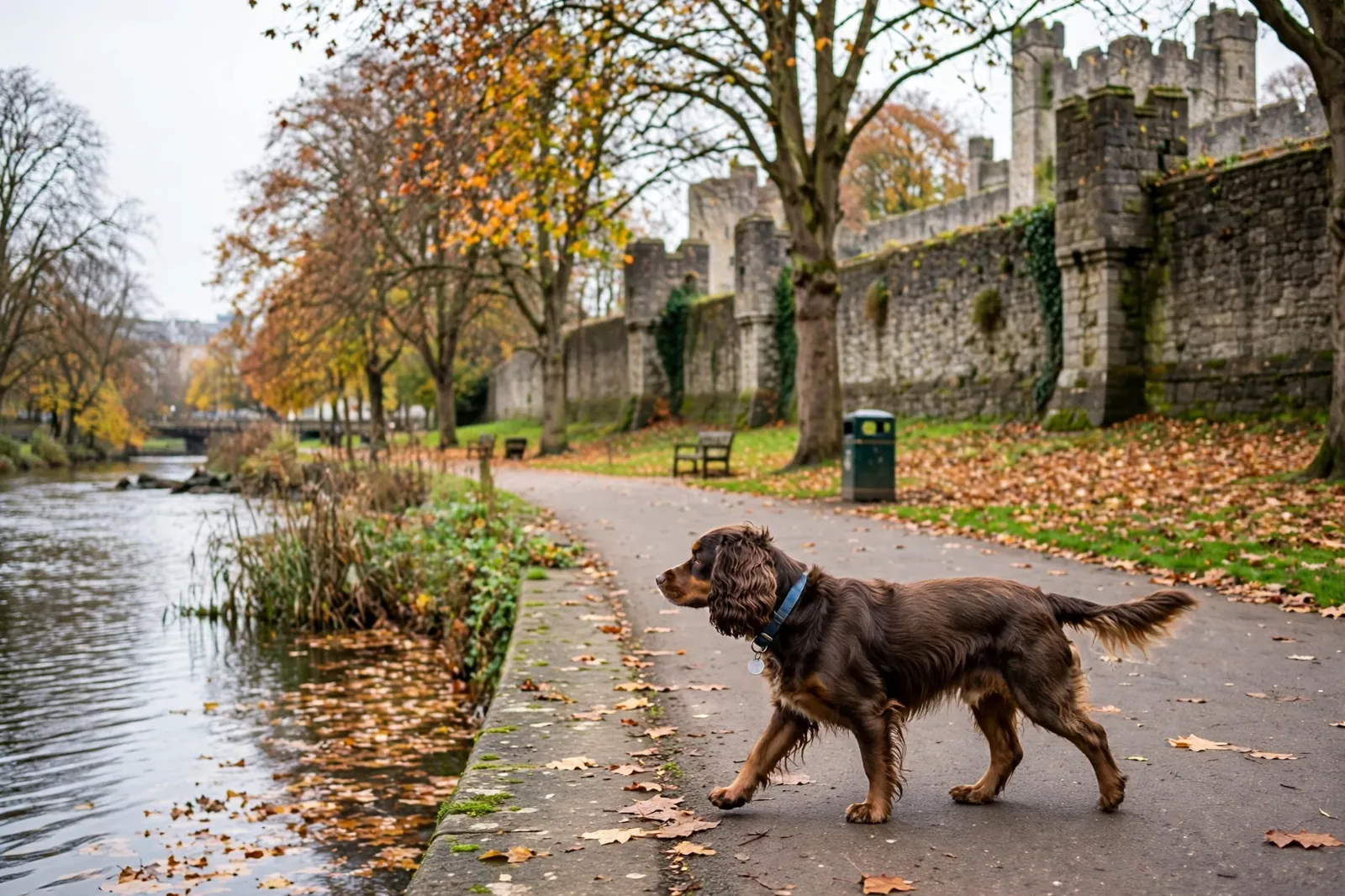
Sutton Park, in Sutton Coldfield north-east of the centre, is one of the largest urban parks in Europe — a national nature reserve of heathland, woodland, wetlands and pools that feels closer to open countryside than to a city park, and it is the single best dog day out in a Birmingham stay. The scale allows everything: long lead walks on the main paths, extensive areas for exercise under close control, woodland shade in summer and heathland skies in winter. It also demands the countryside rulebook in full. Cattle and ponies graze parts of the park, ground-nesting birds and other wildlife need protection in season, and the pools are for looking at, not for dog swimming unless local guidance clearly allows — leads around livestock are non-negotiable, and close control everywhere else is the price of the freedom the park offers.
Check the park's official information before you go for current guidance on grazing areas, any seasonal restrictions, events and parking, because a park this size runs races, fairs and conservation work that close sections without closing the whole. Arrive with water, a route in mind and time in hand; getting lost is possible in the woodland blocks, and a dog's half day here should end at a gate you recognise, in daylight, rather than with a phone-map negotiation at dusk. The park has multiple entrances from different neighbourhoods and stations nearby, which makes it reachable by train plus a walk for car-free visitors — check the current rail and park information when planning.
Nearer the centre, Cannon Hill Park by Edgbaston does the daily heavy lifting for southern stays: a popular, well-kept park with a lake, gardens and generous grass, where leads belong near the water, the wildlife area, play spaces and the arts-centre terraces. The university quarter and Edgbaston add leafy streets and the canal for combined loops. Between Sutton for the expedition, Cannon Hill for the routine and the canals for the sightseeing days, a Birmingham dog is never short of a walk — the planning task is matching the walk to the day, not finding one. The stays section below and our dog-friendly hotels in the UK guide will help you base yourself within reach of at least two of the three.
Attractions and days out: split visits again
Birmingham's big indoor draws — the major museums and galleries in the centre, the chocolate-themed attraction in Bournville, the aquarium-style venues and the Jewellery Quarter's museum workshops — generally admit assistance dogs only in their interiors, with pet dog policies set individually and changing with exhibitions and refurbishments. At the time of writing several central venues have been through closure and reopening cycles, which makes the standing instruction doubly important: check the official site before you go for every attraction, confirm it is open on your dates and confirm its dog position, rather than trusting any listing, including recent ones. The chocolate attraction's village setting, incidentally, makes Bournville itself a pleasant lead walk — garden-suburb streets and green spaces — whatever the interior policy.
The split visit suits Birmingham because the attractions cluster near good dog walking. Central museums pair with the canals and the cathedral green; the Jewellery Quarter workshops pair with the quarter's streets and towpaths; Bournville pairs with its own green streets and the nearby parks of the southern suburbs. One adult tours, the other walks the dog properly, and timed tickets let you schedule the exchange precisely. One interior a day is the sustainable ration; two makes the waiting human restless and the dog's day shapeless. Solo travellers should book trusted local dog care for a chosen window or build the trip outdoors, which Birmingham's canals and parks make entirely feasible.
For a bigger outdoor day, the historic houses, gardens and country parks around the city's edge — and the Black Country's canal and industrial heritage sites to the west — each set their own dog rules for gardens, parkland and interiors separately, and many welcome dogs in grounds while keeping interiors assistance-only. That grounds-yes, house-no pattern is common across the region and often the ideal compromise: verify the split for each property on its official site before you go. Our guide to assistance dog access rights in the UK explains the assistance position behind the signage you will see.
Where to stay with a dog in Birmingham
Base choice in Birmingham is a three-way decision. The city centre and Brindleyplace side put canals, stations and attractions on the doorstep, with pavement and towpath walks early and late, and suit confident city dogs. The Jewellery Quarter offers a calmer, neighbourhood version of a central stay, with the canals and the quarter's cafes in daily reach. Edgbaston and the southern leafy districts — and Sutton Coldfield for a Sutton Park base — trade a short ride to the centre for greener mornings, quieter nights and, for many dogs, a better holiday. There is no wrong answer, only a mismatch between the base and the dog in front of you, so decide by the morning walk and the late-night toilet route first.
Then ask the standard questions in writing: which rooms accept dogs, fee per dog per night or per stay, size or number limits, where the dog may go inside the building, whether it can be left alone in the room, and the practicalities of lifts, stairs and the nearest grass. Birmingham's stock includes converted warehouses and industrial buildings with characterful access arrangements, and large modern hotels where dog rooms cluster on particular floors — both fine, provided you know before you arrive. Self-catering and aparthotels ease the routine for many dogs, but confirm floor, garden claims and parking, since a car is more useful in this spread-out city than in most. Our national guide to dog-friendly hotels carries the full checklist.
Rates move with the conference, arena and event calendar more than the weather: a big exhibition week can fill the centre and lift prices across the dog-welcoming stock. Flexible dates buy you the same canals at calmer prices. Bring the settling kit — own bed or blanket, first-evening chew, bags in every coat, towel by the door — and expect Birmingham's canals and parks to put that towel to work from autumn to spring, when towpaths puddle, Sutton turns gloriously muddy and even Cannon Hill's paths demand a paw routine at the door.
Eating together: cafes, pubs and the Balti question
Birmingham's food scene is one of its strengths, and dog owners eat well by format rather than by fame. Independent cafes in the Jewellery Quarter, Edgbaston, Moseley, Kings Heath and Harborne are the most reliably dog-welcoming; pubs with bar areas and gardens follow; the canalside terraces around Brindleyplace and the centre work beautifully in good weather where the venue welcomes dogs — verify each one, since terraces and policies change with operators. Formal dining rooms are the least likely welcome, and the city's famous curry houses, including the Balti houses of the southern districts, vary individually: some are delighted to host a settled dog in part of the room, others cannot, so phone ahead and accept the answer gracefully. Our UK dog-friendly cafes guide covers the etiquette that keeps all of these welcomes warm.
Timing is the lever. Canalside and central venues peak at weekend lunchtimes and before arena events; the same table at midday on a weekday or an early evening is a calmer proposition for the dog and usually for you. Neighbourhood high streets run on local rhythms and are the relaxed choice in the evening. Carry the portable bowl regardless — supplied bowls disappear at peak — plus a chew for waits and a mat if your dog settles on one. In summer, gardens and canalside tables plus a shade check beat any indoor promise; in winter, the post-Sutton-Park pub lunch near a fire is the Birmingham dog day at its most complete.
If settling indoors is not your dog's skill, Birmingham picnics and takeaways well: bakeries and delis near Cannon Hill and Sutton Park, towpath benches for coffee, and market food eaten in a square. Mind the dropped-food scavenging risk in the centre at night, rinse paws after gritted winter towpaths, and remember that the dog who arrives walked, toileted and slightly tired is welcome in far more places than the dog who arrives desperate for all three.
Getting around: tram, trains and buses
Birmingham's West Midlands Metro tram links the centre with Wolverhampton through the Jewellery Quarter side and extends the city's reach usefully for car-free dog trips. Tram dog conditions are set by the operator — including any requirements on leads, size or number of dogs and peak travel — so check the latest official guidance before you travel and before building an itinerary on a tram leg, and hold a bus or train alternative for each tram-dependent plan. Trains follow the national pattern set out in our guide to taking a dog on UK trains: lead on, off seats, consideration for other passengers, operator conditions applying. New Street station is one of Britain's busiest and most complex; allow extra time, give the dog a calm pause after the platform, and consider Moor Street or Snow Hill, the smaller central stations, where your route allows.
Buses carry dogs at the driver's discretion in the usual pattern — lead, good behaviour, aisles and seats respected — and they are the practical link to Sutton Park's gates, Cannon Hill and the southern neighbourhoods when combined with a walk at each end. Travel off-peak where possible, especially with a large dog, and remember that event traffic around arenas and football grounds can strand a bus plan as effectively as a car plan. Taxis and private hire vary by operator and driver: declare the dog at booking, carry a blanket, and expect the same answer to vary by firm.
Driving has a bigger role in Birmingham than in most cities in this series because the best dog assets — Sutton Park above all — sit at the edges. Central parking is available and priced, the city's clean-air zone affects some vehicles entering the centre, and matchday and event restrictions bite around venues; check the current official information for your vehicle and dates. The winning pattern for drivers is park once near the base, walk and ride for the centre, and save the car for Sutton and the out-of-town grounds-and-gardens days. However you travel, the canals mean exercise never depends on transport: the towpath outside the door is the day's foundation.
Seasons and a Birmingham rhythm
Spring brings the canals into their best state — towpath verges green, Sutton Park's heathland waking, Cannon Hill in blossom — and long evenings that suit the walk-out, ride-back pattern. Summer adds the festival and outdoor-event season, hot spells in which the paved centre and the lock-side stone hold heat, and the fullest canalside terraces; walk early, use Sutton's woodland shade at midday and carry water on every towpath leg. Autumn is arguably the finest Sutton Park season, with woodland colour and quieter paths, and a calmer centre after the conference peaks. Winter is a city of short days and lit central towpaths: plan the big park days for bright weekends, keep evenings central, and expect mud to be the default surface anywhere unsurfaced.
The event calendar is Birmingham's second weather system. Major exhibitions, arena concerts, sporting fixtures and seasonal markets can each transform the centre's crowding and prices for days at a time, and Sutton Park's own events close sections of the park. None of this is a reason to avoid the city — a big-event Birmingham has real energy — but all of it belongs in the plan before booking rather than in a surprised conversation at check-in. Dogs that dislike fireworks and crowd noise also need the winter celebration nights and any stadium effects factored into evening routes.
Close the trip as the canals taught you: steady, unhurried, with one half day left unplanned for the neighbourhood you liked best. Save a local vet and the out-of-hours service near your base before you need them, check for ticks after Sutton and woodland walks in season, and clean paws after towpath grit. Birmingham does not advertise itself as a dog city, which is precisely its charm: the canals, the quarter and the great park to the north-east reward owners who look past the ring road reputation and walk the water instead.
Practical questions
Before you go
Are dogs allowed on Birmingham trams?
West Midlands Metro dog conditions are set by the operator and can include requirements about leads, dog size or numbers and peak-time travel, so check the latest official guidance before you travel and before relying on a tram journey. Trains and buses provide alternatives on most routes. Dogs travel on buses at the driver's discretion, on a lead and off the seats.
Can dogs swim in Sutton Park's pools or the canals?
Keep dogs out of Birmingham's canals; the water is not suitable for swimming and banks are steep. At Sutton Park, treat the pools as look-only unless current official park guidance clearly says otherwise, keep dogs on leads around grazing cattle and ponies, and follow all seasonal signage for wildlife. Check the park's official information before you go for the current position.
Can dogs go inside Birmingham museums and attractions?
Most major indoor attractions in Birmingham admit assistance dogs only in their interiors, with pet policies set venue by venue and changing with exhibitions and reopenings. Check the official site before you go for each attraction and confirm it is open on your dates. Pairs often split the visit, with one person touring while the other walks the dog on the canals or in a nearby park.
Where can dogs go off lead in Birmingham?
Sutton Park offers the most extensive exercise, with dogs under close control and on leads around livestock, wildlife areas and wherever signage requires; Cannon Hill Park serves central and southern stays with leads near the lake, play areas and terraces. Canal towpaths are lead-walking routes. Always follow local signage and use a long line where recall is not secure around livestock, birds or other park users.
When is the best time to visit Birmingham with a dog?
Spring and autumn usually give the best balance of daylight, milder weather and calmer parks and towpaths. Summer brings festivals and full canalside terraces, so walk early and carry water. Large exhibitions, concerts and fixtures can fill the centre and raise prices at any time of year, so check the event calendar before booking, and expect mud and short days in winter.