This guide is independent and contains no paid placement. If affiliate links are added later, they will be clearly marked and will not change our editorial checks.
A dog rucksack carrier is a hands-free backpack built for small dogs, typically those weighing 4–10 kg. Buy one with an honest weight rating, ventilation on at least three sides, easy-entry openings, a padded hip belt that carries the load on your hips, and an internal safety tether. Train your dog gradually over about two weeks, carry in sessions of one to two hours with walking breaks, and always check the official guidance before you travel.
When carrying your dog makes sense
Every dog has days when their legs cannot do what their spirit wants. A rucksack carrier bridges that gap: the dog stays part of the outing, safe and comfortable on your back, while you keep both hands free for gates, maps, ticket machines and the occasional steep stile. It is not a replacement for walking — it is a tool for the stretches of a day when walking is the wrong answer.
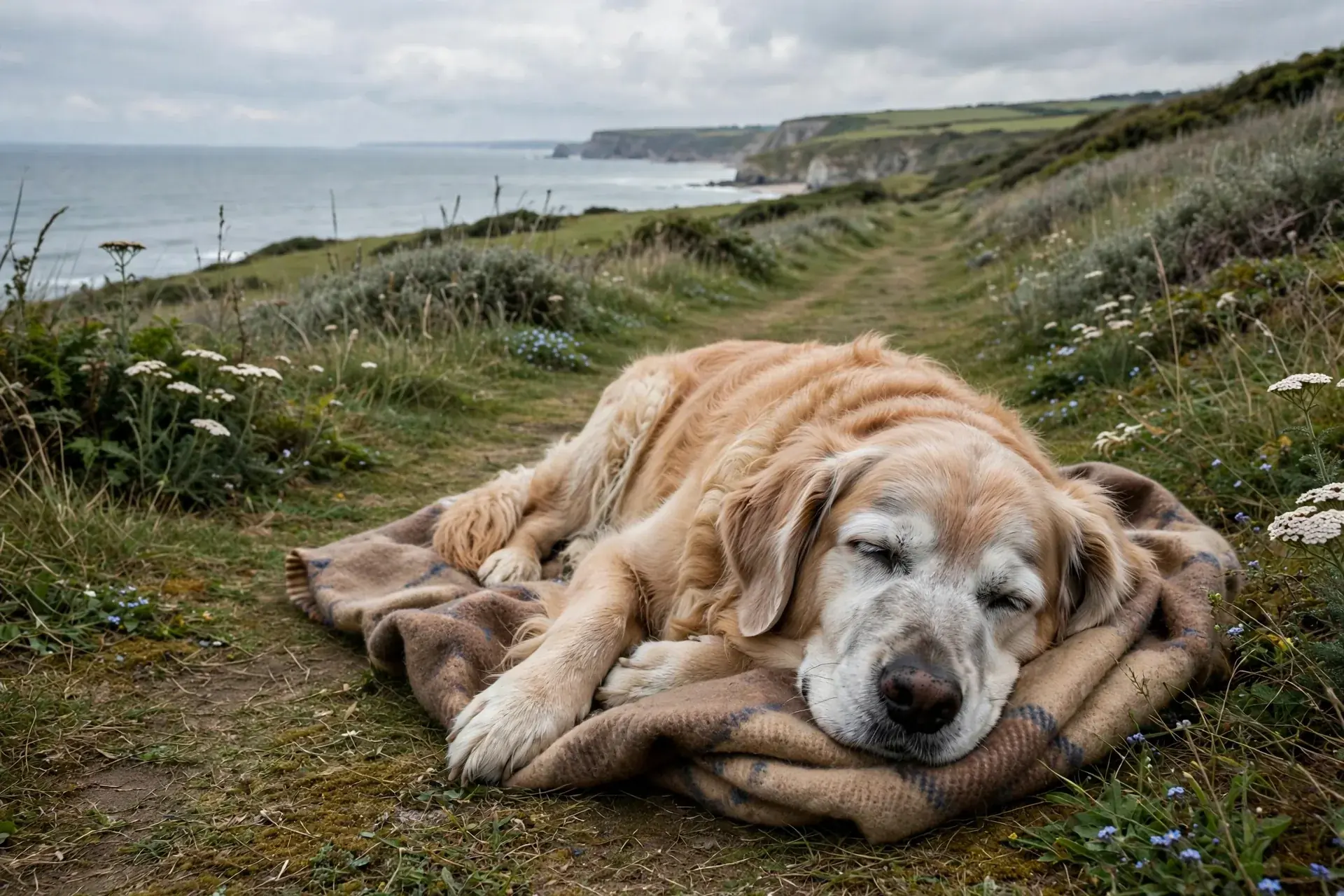
Senior dogs are the most common reason people buy one. Arthritis, fading eyesight and general stamina loss do not switch off a dog's curiosity, and many older dogs still want to be out with their people long after a full walk is beyond them. A carrier lets an older dog enjoy the smells, sounds and company of a trail in thirty-minute walking bursts between restful rides. Our guide to travelling with a senior dog in the UK covers how to pace those outings so the carried stretches genuinely rest the dog rather than simply delaying tiredness.
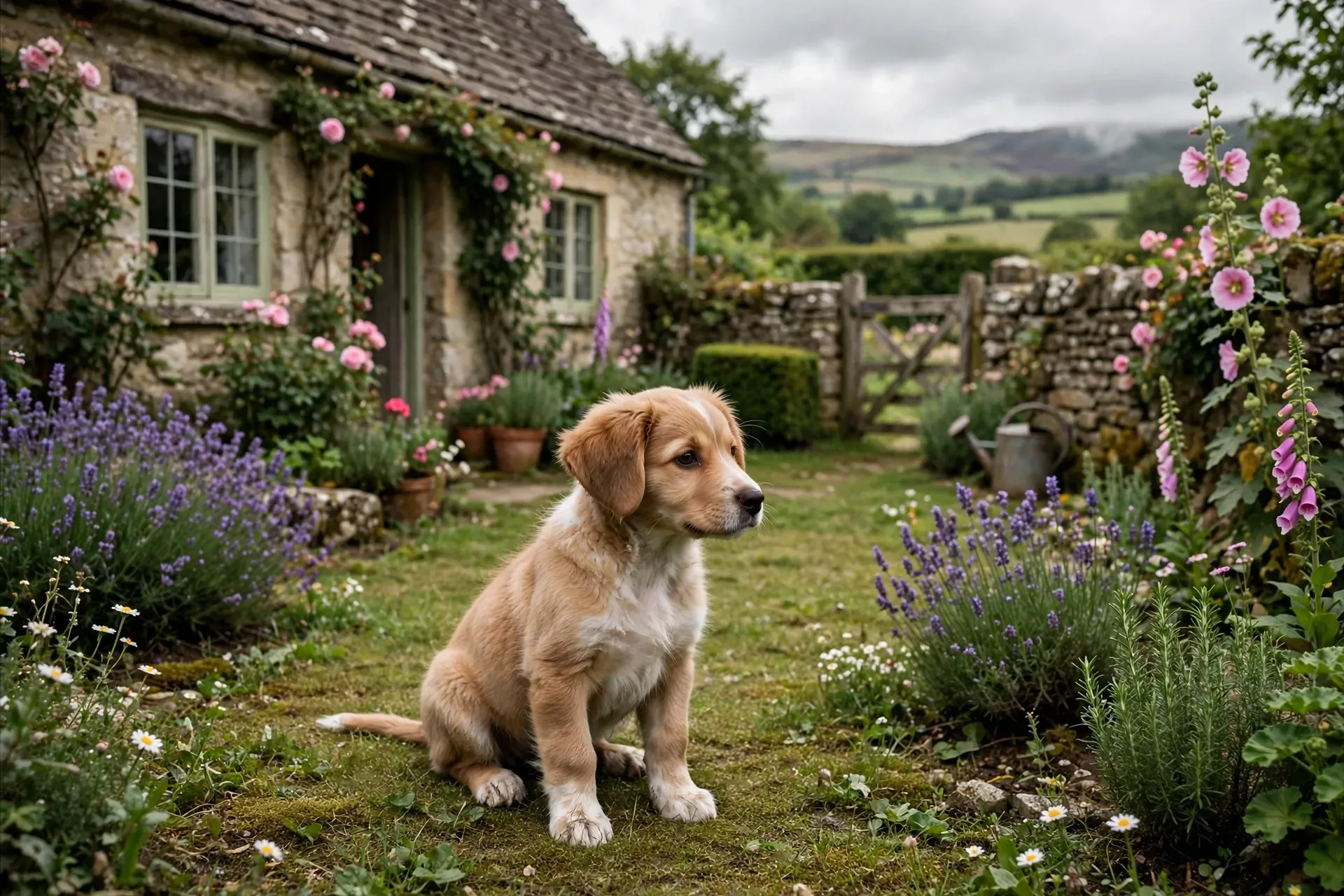
Puppies benefit enormously too, for a different reason. Veterinary guidance on puppy exercise is famously conservative — a widely repeated rule of thumb is about five minutes of structured exercise per month of age, twice a day — which means a twelve-week-old pup's official walking allowance barely reaches the end of the street. A rucksack carrier lets a young puppy experience markets, harbours, festivals and busy high streets safely during the critical socialisation window, without pounding growing joints and without putting an unvaccinated pup on ground where other dogs have been. The carrier becomes a mobile safe space: the puppy watches the world, naps when it needs to, and walks only the short distances its body can handle.
Recovery and injury make the third case. A dog on restricted exercise after surgery, a strained muscle, or a sore paw needs strict limits on movement — and strict limits are easier to enforce when the dog is physically unable to chase a squirrel. Owners in this situation often find a carrier turns a frustrating six-week convalescence into something close to normal life: the dog still comes on family walks, just mostly as a passenger. Check with your vet about when carrying is appropriate, since some conditions (spinal injuries in particular) need the dog kept still in specific positions rather than sitting upright in a pack.
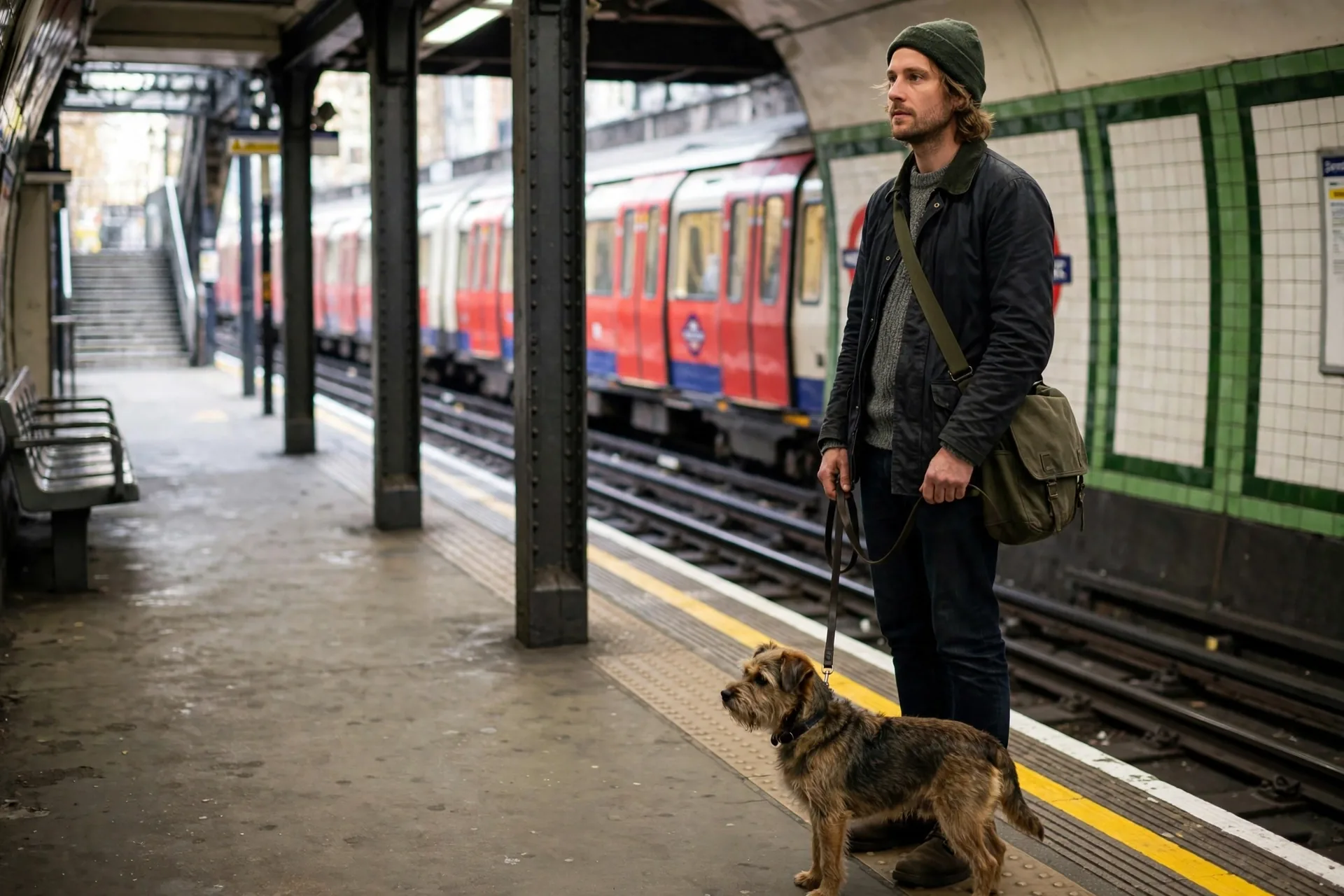
Then there are the practical situations where even a fit small dog is better off your back than on the ground. Rush-hour stations, crowded festival fields, muddy car parks with fast traffic, and long flights of station steps are all easier with the dog contained. On the London Underground, dogs must be carried on escalators, and a rucksack turns that rule into a non-event rather than a wrestling match — see our guide to dogs on the London Underground for the full etiquette. Warm weather is another: small dogs overheat faster than people expect, and lifting a panting terrier into a shaded, ventilated carrier for the exposed stretch of a coastal path is simply kinder than making it walk.
Be honest about which of these is your real use case before you shop, because it changes what you should buy. A carrier for twice-a-year festival trips can be simpler and cheaper than one for weekly fell walking with an arthritic spaniel. And if your dog is large — beyond the roughly 10 kg ceiling of the biggest rucksack designs — the carrier conversation is over before it starts; our large-dog travel guide covers the alternatives that actually work for big dogs.
Rucksack vs front carrier vs stroller
Three designs compete for the job of carrying a dog, and each wins on different ground. The right choice depends on your dog's size, your fitness, and where you actually go.
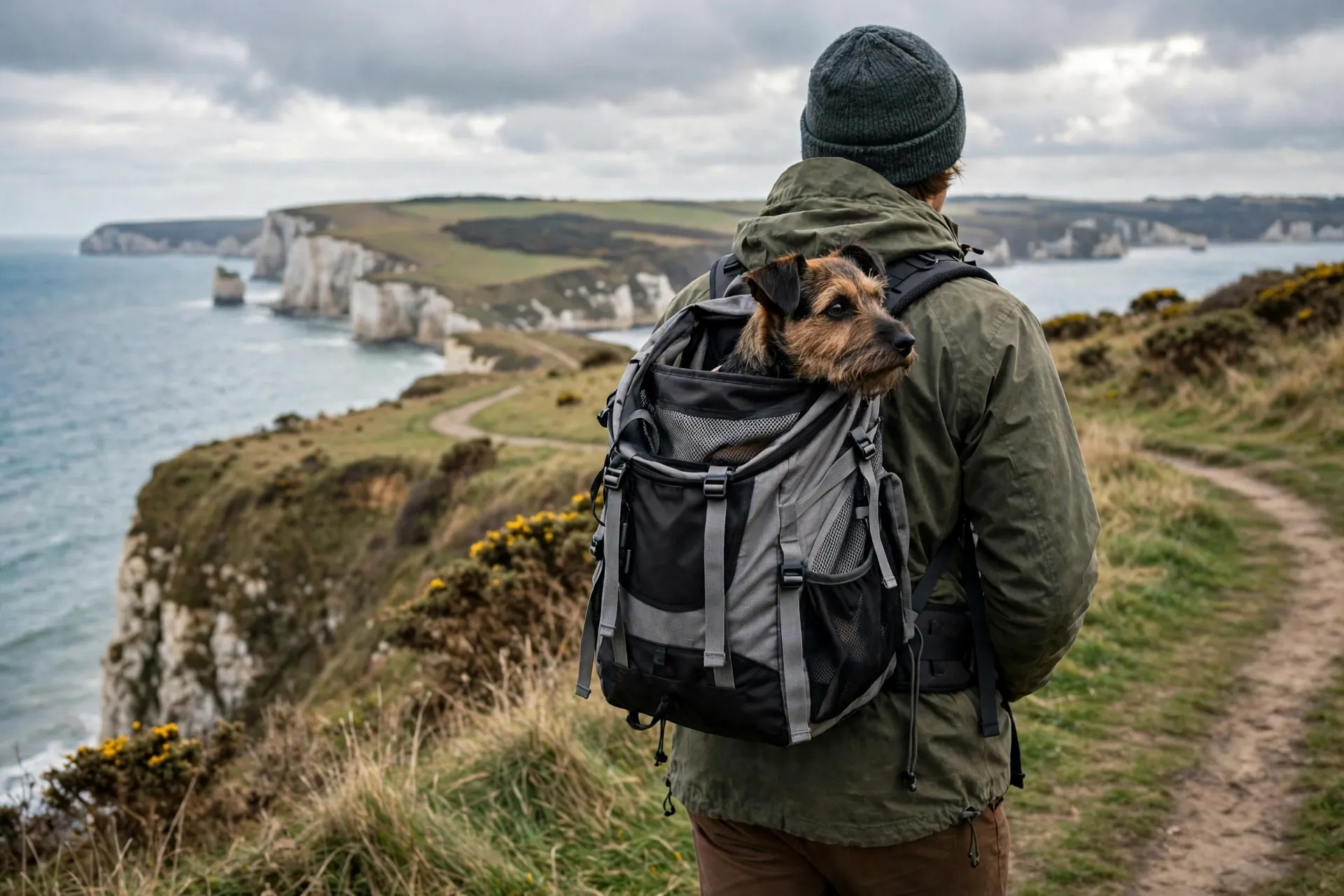
Rucksack (back-worn) carriers are the subject of this guide and the best all-rounder for active owners. The dog sits or lies in a ventilated pack on your back, weight distributed through shoulder straps and — on good designs — a padded hip belt. Hands stay completely free, which matters on trails with stiles, gates and scrambly sections, and the high riding position keeps the dog clear of mud, puddles and other dogs' feet in crowds. The trade-offs: you cannot see the dog without stopping, so you must learn to read your passenger by feel and by sound; and the weight is genuinely on you, which limits comfortable carrying time to a few hours and dog weight to about 10 kg on all but the burliest designs.
Front-worn carriers — the baby-sling style — put the dog against your chest where you can watch it constantly. Many dogs settle faster in a front carrier because they can see your face, and nervous first-timers often prefer the contact. They shine on short urban trips: the train station, the vet waiting room, a quick café stop. But they have real limits. Your arms are not free in any meaningful sense, your chest takes the dog's full weight with no hip belt to share it, and a warm dog against your torso on a summer day gets uncomfortable for both of you within the hour. Capacity tops out lower than rucksacks, typically around 5–6 kg, and most designs are legs-out or head-out styles that give the dog less room to shift position.
Dog strollers are the third option and the right answer when the dog is too heavy to wear. A decent pet stroller carries 15–30 kg without breaking your back, shelters the dog from rain, and works brilliantly on pavements, shopping streets and smooth park paths. The downsides show up the moment the terrain stops being polite: cobbles, sand, steep or narrow trails, and bus aisles all turn a stroller from asset to obstacle. They are also bulky to store and transport — folding one into a small car boot alongside holiday luggage is an exercise in geometry. For a 20 kg Labrador with dodgy hips on a seaside promenade, a stroller is clearly better than a rucksack; for a 7 kg terrier on the South West Coast Path, it is clearly worse.
A quick decision framework: choose the rucksack if your dog weighs under 10 kg and you walk trails, use public transport, or need your hands free. Choose the front carrier for very short trips with a tiny dog where constant eye contact matters more than endurance. Choose the stroller for heavier dogs, or for owners whose own backs and knees cannot take an extra 8 kg. And remember that none of these replaces the lead — a carried dog still needs proper walking time every day, just in amounts its body can handle.
Five things to check before you buy
Carrier designs vary wildly in quality, and product photos all look reassuring. These five checks separate the carriers that get used for years from the ones that end up in the cupboard after one trip.
1. An honest weight rating — and your dog's honest weight. Most rucksack carriers sold in the UK are rated for dogs between 4 and 10 kg, with the comfortable sweet spot around 5 to 8 kg. Weigh your dog before you shop; kitchen scales work for the smallest, bathroom scales (weigh yourself with and without the dog, then subtract) work for the rest. If your dog is within a kilogram of the stated limit, size up or move to a sturdier design. Exceeding the rating does not just risk a strap snapping on a cliff path — it makes the pack sit wrong on your back, which is how shoulders and backs get hurt. Growing puppies need particular care here: buy for the adult weight you expect, or accept that a puppy-sized carrier has a short working life.
2. Ventilation on at least three sides. A dog in a pack is wearing a coat it cannot take off, and British weather swings from drizzle to heatwave within a single bank-holiday weekend. Look for mesh panels on the front, both sides and ideally the top — the dog should be able to catch a breeze whichever way it faces. Dark fabrics absorb surprising amounts of heat on sunny days, so favour lighter colours if you walk in summer, and check that the mesh is fine enough to keep out midges in the Scottish Highlands. A carrier that feels stuffy when you poke your head inside in the shop will feel worse with a panting dog in it on a July hillside.
3. Openings designed for real dogs, not catalogue dogs. Getting a reluctant terrier into a carrier through a single small top hole is a two-person wrestling event. Look for a wide top opening plus a full-length side zip so the dog can step in sideways — side entry transforms loading from a battle into a routine. Head-out designs (an adjustable cinch around the neck opening) suit dogs that want to see the world and settle quickly, while full-enclosure designs suit nervous dogs that feel safer hidden. Either way, the neck opening must adjust: too loose and a small dog can wriggle out, too tight and it chafes. Zips should run smoothly with one hand, because your other hand will be holding a lead.
4. A back system built for the human, not just the dog. This is where cheap carriers fail hardest. Eight kilograms on thin, unpadded shoulder straps becomes miserable within twenty minutes. Look for the features of a proper hiking rucksack: wide padded shoulder straps, a padded hip belt that transfers most of the load onto your hips, a sternum strap to stop the shoulder straps sliding, and a ventilated back panel so you do not arrive soaked. Adjustable torso length matters if the carrier will be shared between two people of different heights. Before committing, load the carrier with the equivalent weight in books or water bottles and walk around the house for fifteen minutes — any hot spot or pressure point you feel now will be ten times worse on mile six of a coastal walk.
5. Safety tethers and fail-safes. Every carrier should have an internal leash clip that attaches to your dog's harness — never to a collar alone, which a panicking dog can slip. Check that the clip is metal or heavy-duty plastic, stitched into a reinforced anchor point rather than thin fabric. Double zips that can be clipped or locked together stop a clever dog nosing one open; exposed zip pulls are an invitation. Scan for chewable loose straps inside the compartment and for small gaps around the neck opening where a paw could get trapped. If the design has a rigid frame, confirm it cannot collapse inward onto the dog.
Beyond the five essentials, a few practical details are worth your attention. Sizing is done by the dog's measurements, not just weight: measure back length (base of neck to base of tail) and chest girth, and compare both against the manufacturer's chart — two dogs of the same weight can need different sizes. Washable liners save the whole carrier from smelling of wet dog by October. A rain cover or water-resistant outer is genuinely useful in Britain, though most dogs tolerate drizzle better than their owners do. Storage pockets for poo bags, treats and a folded water bowl mean one less bag to carry. Finally, check the returns policy before ordering online: sizing varies so much between brands that even careful measuring sometimes needs a swap, and a retailer with painless returns is worth more than a small discount.
Teaching your dog to love the rucksack
No dog is born liking a rucksack. The owners whose dogs ride happily for hours all did the same unglamorous thing: introduced the carrier slowly, over about two weeks, and never forced a step. Rushing this process is how carriers end up unused — a single frightening experience can take months to undo. Here is a protocol that works for most dogs.
Days 1–3: the carrier is furniture. Leave the carrier open on the floor in the room where your dog relaxes. Scatter treats in and around it; let the dog investigate, sniff and climb in on its own terms. Feed a meal or two inside the open carrier. The goal is simple: carrier equals good things, no pressure.
Days 4–6: short sits inside. Ask the dog in (a treat lure is fine), close the zips for ten seconds, treat, open. Repeat a few times per session, two or three sessions a day. Gradually extend the closed time to a minute, then five. Keep your voice cheerful and boring — this should feel like nothing is happening. If the dog paws at the zips or whines, you moved too fast; go back a step for a day.
Days 7–9: lift-off. With the dog settled inside and the internal tether clipped to its harness, lift the carrier a few centimetres off the floor, treat, put it down. Build to carrying it around the room, then up and down the stairs. Watch the dog's body language closely: soft eyes, loose body and occasional sighs mean comfort; lip-licking, yawning, whale eye or freezing mean slow down.
Days 10–12: wear it properly. Put the loaded carrier on your back with straps adjusted and hip belt fastened. Walk around the house, then the garden. Keep sessions to ten or fifteen minutes. Practice the two positions you will actually use: standing still (at a viewpoint, in a queue) and walking. Many dogs find the first few minutes of movement odd and then settle into the rhythm — give them those minutes before deciding it is not working.
Days 13–14: real outings, short ones. Take a fifteen-minute walk with the dog riding. Bring treats and stop to let the dog out for a sniff and a toilet break halfway — this teaches the crucial lesson that the carrier is a rest stop, not a trap. Extend to thirty minutes, then an hour over the following week. By now most dogs hop toward the carrier when it appears, because it predicts adventures.
A few special cases deserve mention. Puppies train fastest but need the shortest sessions — five minutes at a time, several times a day, with the emphasis on fun. Nervous or rescue dogs may need double the time; let them set the pace and consider doing the first week with the carrier's top fully open so it feels less enclosed. Cats in the household are irrelevant here, but other dogs are not: train one dog at a time, because a jealous second dog bouncing around the room undermines the calm you are building. And whatever the dog's age, never shut a distressed dog in and walk on regardless — that teaches the dog that the carrier is where its signals get ignored, which is the opposite of what you want on a cliff path.
Once trained, maintain the association. Use the carrier regularly even when you do not strictly need it, keep treats in your pocket for the first month of real use, and always let the dog walk the first and last stretches of an outing. A dog that only ever sees the carrier on gruelling all-day hikes will eventually dread it; a dog that associates it with the good middle section of varied walks will not.
Trails, towns and public transport: using the carrier well
A trained dog and a good carrier still need good habits from the human. These are the routines that separate smooth days from stressful ones.
On the trail, alternate walking and riding. The classic pattern for a long day is walk–carry–walk: let the dog walk the interesting first miles while it is fresh, carry it through the long exposed middle section, then let it walk the final stretch home. Plan carrying sessions of roughly one to two hours with a proper twenty-minute break in between — out of the carrier, water offered, toilet opportunity, a chance to sniff. An 8 kg dog on your back changes your balance on descents, so take stiles and rocky steps more carefully than you would unloaded, and use walking poles if you normally do. In warm weather, stop every forty-five minutes to check the dog: feel its ears and belly for excess heat, offer water, and watch for heavy panting that does not settle. Small dogs overheat faster than their owners, and a carrier in direct sun becomes a greenhouse.
Livestock and the countryside code still apply. A dog in a rucksack is contained, which helps around sheep and cattle, but do not treat the carrier as a licence to ignore the rules: keep to paths, close gates, and be ready to lift the dog out of sight-line if cattle take an interest. On narrow paths, remember you are now wider and taller than usual — duck for low branches your passenger cannot dodge, and step aside for other walkers rather than squeezing past with a dog at head height. If your dog barks at other dogs from the lofty safety of the pack, correct it early: carried dogs can develop a shouting habit precisely because they feel invulnerable up there.
In towns, the carrier is a social passport. A dog zipped inside a rucksack reads as luggage to most people, which opens doors — literally. Many cafés, pubs and shops that would hesitate over a loose terrier are perfectly happy with a contained one, though it is always polite to ask first and to keep the dog's head inside in food areas. Markets, Christmas fairs and busy high streets are where the rucksack earns its keep: the dog rides above the crush of feet and shopping bags instead of weaving through them. Keep one hand free for steadying the pack in jostling crowds, and never leave the loaded carrier unattended — on a chair, on the floor of a pub — even for a minute.
On public transport, know the rules of each operator. National Rail allows up to two dogs per passenger free of charge, and a dog in a closed carrier causes none of the friction a loose dog can on a crowded train — keep the pack on your lap or at your feet, not on the seat. On buses, policies vary by operator: most accept small contained dogs at the driver's discretion, and a rucksack carrier makes a "yes" far more likely than a wriggling dog on a lead. On the London Underground, dogs travel free, but the escalator rule is strict — dogs must be carried on escalators, never walked — and this is one of the rucksack's finest moments. Individual operators can and do set their own conditions, so check the official guidance before you travel rather than assuming the rules you remember still apply.
Mind the dog's dignity and comfort in public. Not every dog wants its head out in a crowd; some prefer the top zipped with just the mesh for air. Learn your dog's preference and respect it — a dog that can choose to hide is a dog that stays calm. In rain, a carrier with a rain cover keeps the dog dry without the indignity of a flapping dog coat. And be honest with yourself about duration: a carrier is brilliant for the two-hour city visit or the long middle of a hike, but a dog that spends six straight hours zipped inside while you sightsee is not having a good day. Build the itinerary around the dog, not the other way round.
Cleaning and looking after the carrier
A carrier that smells of wet dog and last month's beach will not be picked up willingly — by you or the dog. Fortunately, maintenance is simple if it becomes routine.
After every outing, empty the carrier completely, shake it out upside down, and wipe the base panel where mud and grit collect. Check the mesh for snags and the zips for trapped fur or sand, which are the two things that kill carriers early. If the dog got wet, leave the carrier fully open in a ventilated room until completely dry — zipping a damp carrier shut is how mildew starts.
For a proper wash, hand wash with mild soap and lukewarm water. Remove any rigid base board or frame first if the design allows it. Pay attention to the base panel and the lower corners, where dirt concentrates, and use a soft brush on mesh rather than scrubbing, which can stretch it. Rinse thoroughly — soap residue irritates skin and attracts dirt faster. Then air-dry fully opened, out of direct sunlight and away from radiators: UV and concentrated heat warp mesh, stiffen foam padding and fade fabrics. Never machine wash or tumble dry unless the care label explicitly allows it; most carriers do not, and agitation destroys the structured shape that makes the pack comfortable.
Inspect the safety hardware regularly. Once a month, or before any big trip, check every strap for fraying, every buckle for cracks, and the internal tether clip for smooth operation — a clip that sticks is a clip that will fail when you are in a hurry. Tug-test the anchor point where the tether is stitched in; if the stitching is loosening, retire the carrier or have it repaired by someone who sews heavy fabrics. Check that zips still run their full length and that any zip-locking mechanism still engages. These checks take five minutes and are the difference between a carrier you trust on a cliff path and one you merely hope holds.
Store it well between trips. Keep the carrier in a dry place, fully unzipped, with nothing heavy stacked on top that could crush the structured panels. A washable liner or a folded towel kept inside the carrier does double duty: it protects the base from claws during use and gives you something easy to launder after muddy outings. Replace liners when they go flat. With this level of care, a well-made carrier lasts for years of regular use — and the dog that learned to love it as a puppy can still be riding in it as a grey-muzzled senior.
Practical questions
Before you go
What weight of dog can go in a rucksack carrier?
Most rucksack carriers sold in the UK are rated for dogs between 4 and 10 kg, with the sweet spot around 5 to 8 kg. Always check the manufacturer's stated weight limit and weigh your dog honestly first. If your dog is close to the limit, size up or choose a sturdier design with a proper hip belt rather than squeezing in.
Are dog rucksack carriers allowed on UK trains and buses?
Generally yes: a dog in a closed carrier is usually welcomed on trains and buses where a loose dog might cause friction. National Rail allows up to two dogs per passenger free of charge, and a contained dog in a rucksack keeps to that spirit neatly. On the London Underground, dogs travel free but must be carried on escalators, which a rucksack carrier handles well. Individual operators can set their own conditions, so check the official guidance before you travel.
Can my puppy go in a rucksack carrier?
Yes, and it is one of the best uses of a rucksack carrier: it lets an unvaccinated or easily tired puppy experience new places without walking more than their joints should handle. Keep first sessions very short, always attach the internal safety tether, and never use the carrier as a substitute for the training and socialisation your puppy still needs on the ground.
How long can a dog stay in a rucksack carrier?
For a comfortable, trained dog, plan for sessions of around one to two hours with a proper break in between to walk, drink and toilet. An hour of continuous carrying followed by twenty minutes on the ground is a sensible rhythm for a day out. If your dog fidgets, pants heavily, or tries to climb out, stop sooner: the carrier is a rest stop, not a cage for the whole day.
Is a rucksack carrier better than a dog stroller?
It depends on the terrain and the dog. A rucksack is hands-free and brilliant on trails, steps and crowded stations where wheels are a liability, but it suits dogs under about 10 kg and puts the weight on you. A stroller carries heavier or less mobile dogs without tiring you out, yet struggles on rough paths and takes up room on buses. For steep British trails and busy cities, the rucksack usually wins.
How do I clean a dog rucksack carrier?
Shake it out after every trip, then hand wash with mild soap and lukewarm water, paying attention to the base panel where dirt collects. Air-dry it fully opened and out of direct sunlight or radiator heat, which can warp mesh and stiffen foam. Never machine wash or tumble dry unless the label explicitly allows it, and inspect straps, buckles and the internal tether clip while the carrier is clean and dry.