This guide is independent and contains no paid placement. Prices are planning figures, not live quotes: accommodation rates, transport caps and attraction rules change, so check the official guidance before you travel and confirm every fee in writing before you pay.
For two people and one dog, plan on roughly £450 to £750 for two nights in London, excluding travel to the city. The bed is typically £250 to £450 of that total. The three levers that move the number most are staying a few stops out from the centre, letting daily-capped public transport do the work, and building the days around free parks, heaths and riverside paths instead of paid attractions.
The two-night maths, line by line
Most London budget guides start with a list of attractions. That is the wrong starting point for a dog weekend, because the dog changes the shape of the spending. The dog does not care about the observation deck, the paid exhibition or the river cruise. The dog cares about the walk in the morning, the place to settle at lunch, and a bed that does not smell of disinfectant. So this guide starts the other way round: with a ledger, two nights long, where every line is something you will actually pay for.
Here is a middle-of-the-road version of that ledger for two people and one dog, excluding the journey to London itself, which varies too much to be useful as a single figure. Accommodation for two nights, including the pet fee, comes to around £300. Food and drink for two days, cooked breakfast included where the stay provides it and a mix of cafes, markets and one sit-down dinner, comes to around £180. Local transport on capped contactless or Oyster payment comes to around £30 for two adults across the weekend, because the dog travels free. Paid activities and coffees along the way add perhaps £40. Dog extras such as waste bags, a spare towel, bottled water and a cheap waterproof layer you forgot to pack add around £15. That gives a working total of roughly £565, which sits comfortably inside the £450 to £750 range in the summary above.
The value of writing it out this way is that it shows you exactly where to push. If the total is too high, you do not save it by skipping lunch, which makes everyone miserable. You save it by moving one line: the bed. A £60 saving per night on accommodation is £120 across the weekend, which is more than the entire transport and activities lines combined. Conversely, if you fall in love with a central hotel at £220 a night, no amount of packed lunches will rescue the budget, because the bed has already eaten it. Work the ledger backwards from the total you are willing to spend, and let the accommodation line take whatever is left after food and transport, rather than the other way round.
Two more lines deserve a place in the ledger before you book anything. The first is the deposit or damage hold that some stays place on a card: it is not spending, but it ties up money for days after checkout, so it matters if your budget is tight. The second is the contingency line. Put £30 aside, unspent, for the wet afternoon when everyone needs a taxi, the dog needs an emergency towel, or the cafe you planned on is closed. A budget with no contingency is a budget that gets blown by the first surprise, and London weekends with dogs produce at least one surprise per trip.
Why the bed costs more than everything else
London accommodation is expensive for the same reasons London is London: land is scarce, demand is constant, and the centre is where everyone wants to be. For dog owners there is a second pressure on top of that. Only a fraction of central rooms accept dogs at all, so you are shopping in a smaller market, and the places that do accept dogs know it. Some charge a pet fee that is genuinely about cleaning; others charge it because they can. Either way, the bed ends up costing more than the rest of the weekend put together, and that is normal, not a sign that you have chosen badly.
The pet fee itself comes in several shapes, and the shape matters more than the headline number. A flat fee of £20 to £30 per stay is the kindest version. A nightly charge of £10 to £20 per night adds up fast over two nights and punishes exactly the longer stays that suit dogs best. A cleaning supplement added on top of a pet fee is the version to watch for: you can pay twice for the same muddy paws. The question to ask every stay, before you pay anything, is for the all-in total for your exact dates, with every dog-related charge itemised. If the answer arrives as a single vague figure, ask again, in writing, until the lines are separate.
Room type matters as much as location. A standard double room with a dog means the dog sleeps where you sleep, which is fine for a settled dog and a trial for a restless one. Self-catering apartments and aparthotels often work out better value for dog weekends, not because the nightly rate is always lower, but because a kitchen removes two restaurant meals a day and a separate living area gives the dog a place to settle while you plan the evening. Serviced apartments also tend to state their pet policy plainly, with the fee on the listing, which removes the awkward phone call. Compare the total cost of the stay plus the food you will not have to buy, not just the nightly rate.
Finally, remember that the bed is not just a price: it is the dog's base for two days. A room beside a lift, a corridor full of slamming doors, or a ground floor facing a busy pavement can cost you sleep, which costs you the next day. When you compare two stays at similar prices, the one with a quiet corridor, a nearby patch of grass for the last outing, and a host who answers the pet question directly is worth more than the one with the prettier photographs. The ledger can count pounds; it cannot count a settled night, but the settled night is what makes the second day enjoyable.
Lever one: where you sleep
The single most effective saving on a London dog weekend is to sleep a few stops out from the centre, near a station and near a park, rather than in the centre itself. Zones 2 and 3 hold the sweet spot for most visitors: nightly rates drop noticeably compared with Zone 1, the Tube ride into the centre is typically fifteen to thirty minutes, and the neighbourhoods themselves are often better for dogs, with commons, canals and residential streets where a morning walk is a pleasure rather than an obstacle course. The saving is not theoretical. A difference of £40 to £70 per night, across two nights, is £80 to £140 back in your pocket, which is more than the whole food saving from cooking every meal.
But the lever only works if you apply its two conditions. The first is station proximity: aim for a stay within a ten-minute walk of a Tube or Overground station, on a line that runs directly to the places you plan to visit, without two changes. Every change is friction with a dog, especially at busy interchanges, and friction is what turns a cheap base into a tiring one. The second condition is green space within five minutes of the door. The first and last walks of the day happen near the base, whatever the rest of the itinerary says, so the base needs a park, a common, a canal towpath or a quiet residential loop where the dog can do its business without a bus ride. Check both conditions on a map before you book, not after you arrive.
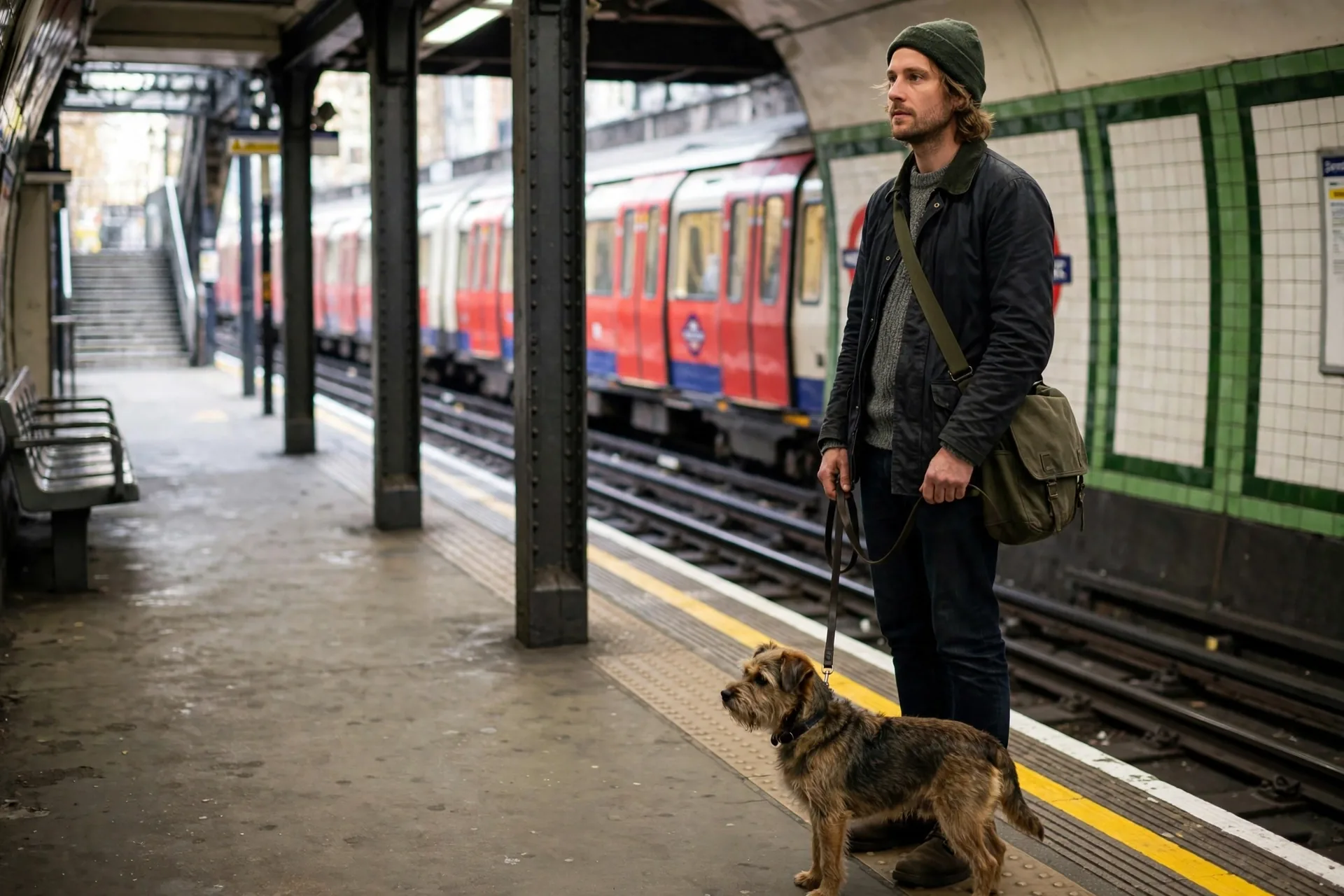
There are neighbourhood patterns worth knowing. Areas around large parks and heaths tend to be the most dog-friendly bases, because the local cafes, pubs and shops are used to dogs and the morning walk is already built in. Areas around major termini can look cheap and central, but they are often noisy, short on grass, and full of pavement crowds that stress a nervous dog. Riverside neighbourhoods offer the best free walks but can carry a price premium of their own, so weigh the riverside against the station: a ten-minute walk to the river from a cheaper base beats a riverside room you cannot afford to enjoy. For the practical details of moving around once you have chosen a base, our guide to dogs on the London Underground covers leads, escalators, lifts and peak-hour etiquette in full.
One more consideration: book the base before the itinerary, not after it. Dog-friendly rooms in good locations go first, especially on spring and autumn weekends when the parks are at their best. If you plan the perfect two days and then discover the only dog-friendly rooms left are a long way from a station, the itinerary falls apart. Secure a base that passes the station test and the grass test, and then build the days around it. The base is the weekend; the attractions are decoration.
Lever two: how you move
Transport is the happiest surprise in the London dog budget, because the dog travels free. Dogs do not need a ticket on the Underground or on London buses, which removes what would otherwise be a third person's fares across the weekend. For two adults, local transport across two days usually lands in the £25 to £40 range when you pay by contactless or Oyster, because daily capping limits the total once you have made a few journeys. That is the whole transport line: less than a single tank of petrol for many visitors, and less than one night's pet fee in some hotels.
The practical choice for most weekend visitors is between contactless bank-card payment and an Oyster card, and for most people the difference is small. Contactless is simplest if every adult has their own card, because each traveller needs their own card or device to touch in and out. Oyster suits visitors who prefer to load a set amount, travel with children, or keep transport spending separate from the main bank account. A paper Travelcard can still make sense for a visitor who will ride constantly and wants a fixed price in advance, but for a dog weekend built around walking, with two or three Tube rides a day, capped contactless usually wins. Check the official guidance before you travel for current caps and any changes, and check the official guidance before you travel for the rules that apply at the stations you will use.
Buses deserve more attention than they usually get in dog budgets. They are slower than the Tube, but they are also calmer for many dogs: no escalators, no deep platforms, a seat by the window, and a view of the city that the Tube cannot offer. A bus ride between two parks can be the dog's rest period and your sightseeing at the same time, and it costs the same capped fare as any other journey. The trade-off is reliability at peak times and the driver's discretion on busy services, so treat the bus as the daytime option and the Tube as the wet-weather or long-distance option. Our guide to dogs on London buses explains boarding, lead rules and what to do if a service is full.
What breaks the transport budget is not the Tube or the bus: it is the taxi. A single cross-city taxi ride can cost more than a full day of capped Tube travel for two people, and taxis add up precisely on the days when the dog is tired, the rain has started, or the last walk ran long. Budget for one taxi across the weekend, at the contingency rate, and treat every further taxi as a decision, not a default. Walking is free, the bus is capped, and the Tube is fast: between the three, there is almost always a cheaper option than the taxi rank, and the dog usually prefers the walk anyway.
Lever three: free green space
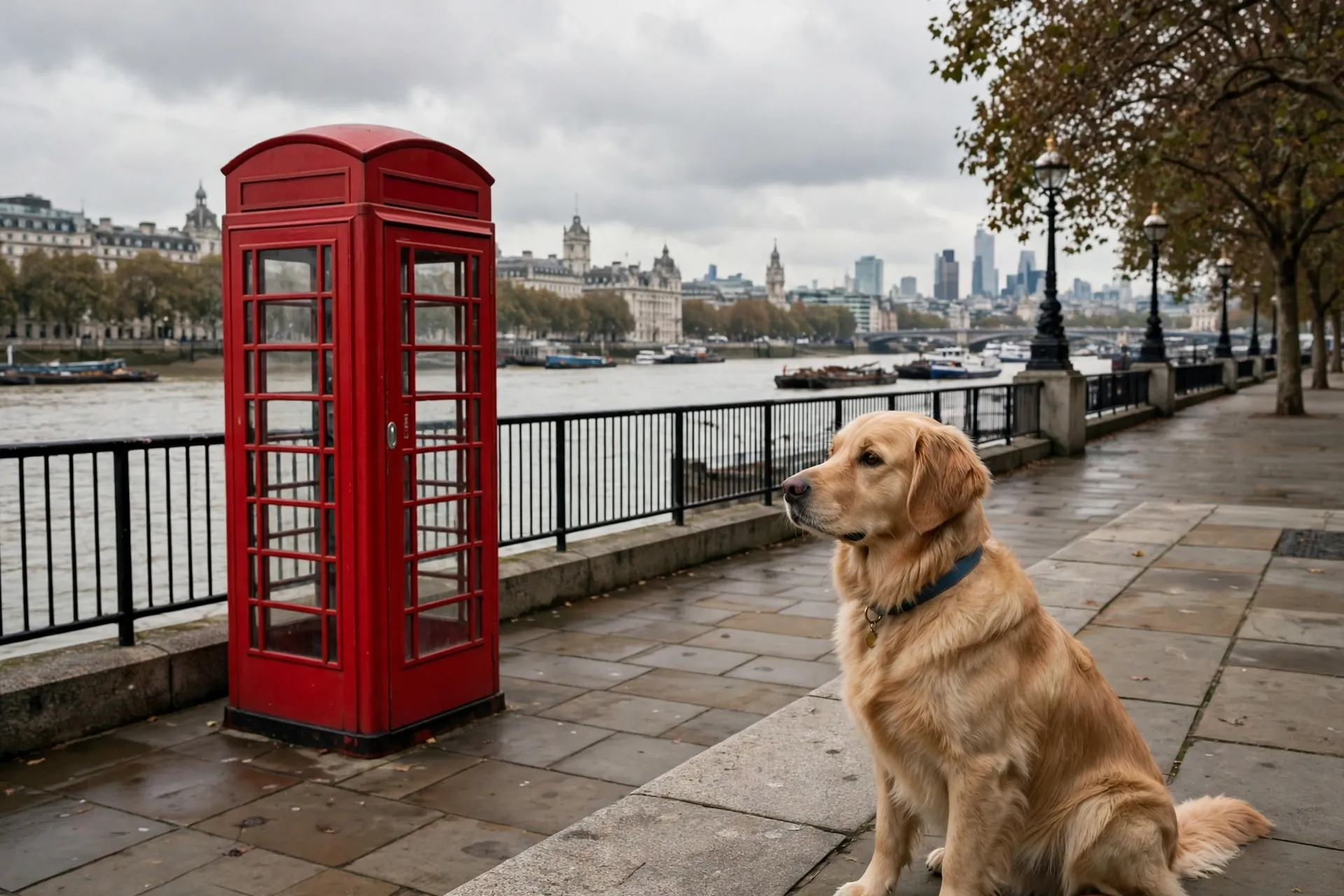
London is unusually generous to dog owners with a tight budget, because its best dog days are free. The city holds some of the great urban green spaces in the world, and most of them welcome dogs, many of them off the lead in designated areas. A weekend built around two or three of these spaces, linked by riverside paths and canal towpaths, can feel fuller than a weekend built around paid attractions, and it costs nothing at the gate. This is the lever that turns a budget weekend from a compromise into a genuinely good trip.
Think of the weekend as a chain of green spaces rather than a list of sights. A large heath in the north gives a long morning run and a view; a royal park in the west gives wide paths, water and shade; a common in the south gives a neighbourhood feel and a pub garden at the end. Between them, the riverside path ties the days together: it is flat, it is interesting, and it is free. The dog experiences the city as a sequence of smells, water, open ground and other dogs, which is a richer experience than being carried through a ticketed building. Plan one anchor green space per half day, not per day, so the dog gets a proper run in the morning and a calmer wander in the afternoon.
Free does not mean rule-free, and the rules are part of the budget. Some parks require dogs on leads near roads, livestock, waterfowl or children's play areas, and some have seasonal restrictions on particular lawns or bathing ponds. A fine for breaking a local rule is the most expensive line you can add to a budget weekend, so read the signs at the entrance and check the official guidance before you travel for the specific park you plan to visit. The same caution applies to seasonal details: nesting season, wet ground after heavy rain, and hot pavements in a summer heatwave all change which green space is the right choice on the day. Have a second park in mind for each half day, so a closure or a crowd does not strand you.
The other free resource is the neighbourhood itself. Markets, high streets, canal towpaths and residential squares are free to walk, and they are where London feels most like itself. A morning spent wandering a market street with the dog, stopping for a coffee and watching the city wake up, costs the price of the coffee and gives you a memory that no ticketed attraction can match. Budget weekends work best when the paid items are the exception: one special meal, one paid view if the dog can come or settle happily, and the rest of the time spent in the open air that London gives away.
Eating without the central London premium
Food is the second-largest line in most London dog budgets, and it is also the most flexible. Two people eating every meal in central London restaurants can spend £150 to £250 across a weekend without trying, while the same two people, eating well but choosing differently, can spend £80 to £120. The difference is rarely about quality: it is about location, format and timing. A market lunch eaten on a bench beside the dog is often better than a restaurant lunch eaten while worrying about the dog under the table.
The practical system has three parts. First, make breakfast part of the stay wherever possible: a self-catering base, a hotel that includes breakfast, or a supermarket breakfast eaten in the room. Breakfast is the meal most likely to be overpriced in the centre, and it is the easiest to replace. Second, make lunch the market meal: street food, a bakery, a deli counter or a supermarket picnic eaten in a park. Markets are dog-friendly by nature, the food is fresh, and the dog is part of the outing rather than a problem to solve. Third, spend the saved money on one good dinner, in a place that genuinely welcomes dogs, where you can relax rather than rush. One memorable dinner beats three mediocre ones, and it costs less.
Dog-friendly eating has its own etiquette, and etiquette saves money. A dog that settles under a table is welcome back; a dog that barks at every passer-by is not, and the second visit never happens. Choose places with outdoor seating or a stated dog policy, bring a mat or blanket for the dog to settle on, and order food the dog can ignore rather than food that drips. Pub gardens are the classic London solution: the dog has space, you have a meal, and the bill is usually lower than a central restaurant. If a place is unsure about dogs, ask before you sit down, not after you have ordered, because a refused table costs you time and a hungry dog.
Water and snacks deserve a line of their own. London tap water is fine for dogs, so a refillable bottle and a collapsible bowl remove a stream of small purchases across the weekend. Carry the dog's own treats rather than buying them at every stop, and carry a small bag of the dog's usual food for the day, so a delayed lunch does not become a hungry dog and an expensive impulse purchase. These are tiny amounts individually, but a budget weekend is won and lost on tiny amounts, and the dog is happier on familiar food in any case.
What the dog actually costs
Strip away the accommodation pet fee, and the dog's own spending across a London weekend is small. That is worth saying plainly, because many first-time visitors imagine a long list of dog expenses and budget for the wrong things. The real dog costs are: waste bags, which you should bring from home; water, which is free from a tap; food, which is the dog's usual food brought from home; and a towel, which you should also bring from home. The dog does not need London-priced accessories, and the pet shops of central London will happily sell them to you anyway.
The costs that do arise are mostly about forgetting something. A forgotten towel becomes a purchased towel. A forgotten lead becomes a purchased lead. A forgotten poo bag roll becomes an awkward search of a convenience store. The cheapest dog kit for a London weekend is the kit you already own, packed the night before: lead, harness, collapsible bowl, bottle, towel, waste bags, the dog's usual food in a sealed container, any medication, and a familiar blanket or mat for settling in cafes. Pack it as a single bag by the door, and check it before you leave, because every item bought in London costs more than the same item bought at home.
There are two dog costs worth budgeting for deliberately. The first is a spare: a second lead, a spare towel, or a cheap waterproof coat for a dog that hates rain. The second is the vet contingency: know the location of the nearest vet to your base before you need it, and keep £50 unspent or a card with room on it, in case of a cut paw, an upset stomach or a swallowed scrap on a market street. You will probably not spend it, and that is the point of a contingency: it lets you enjoy the weekend without worrying about the one thing that could spoil it. Pet insurance is a separate question, and if your dog is insured, carry the policy details with you; if not, the contingency line matters even more.
Finally, be honest about what the dog cannot do, because the workaround is where money leaks. If your dog cannot settle in a restaurant, the workaround is takeaway food eaten in a park, which is cheaper, not more expensive. If your dog cannot cope with a crowded Tube at rush hour, the workaround is walking or a bus, which is cheaper or free. If your dog cannot be left alone in the room, the workaround is planning days when the dog is always with you, which is the whole point of the trip. In almost every case, the dog-friendly option is also the budget-friendly option, because London's free spaces and outdoor eating suit dogs better than its paid interiors.
Three honest versions of the same weekend
Budgets only help if you can see yourself in them, so here are three versions of the same two-night weekend for two people and one dog, all excluding travel to London. They share the same structure — a base near a station and a park, capped public transport, free green space as the backbone of the days — and they differ in the choices that actually move the total. Use them as templates and adjust the lines to your own dates, because a May weekend and a December weekend will price differently.
The tight version comes to roughly £430. The base is a budget hotel or apartment in Zone 2 or 3 at around £110 a night including the pet fee, which is £220 for two nights. Food is supermarket breakfasts, market lunches and one pub dinner, at around £110 for the weekend. Transport is capped contactless at around £30, activities are free parks and riverside walks at £0, and dog extras and contingency come to around £40, with £30 of that unspent if nothing goes wrong. The total is £400 before contingency and £430 with it, and the weekend is not a lesser version: the parks are the same parks, the river is the same river, and the dog cannot tell the price of the room.
The comfortable version comes to roughly £580. The base is a well-located apartment or dog-friendly hotel at around £150 a night including the pet fee, which is £300 for two nights. Food rises to around £170, with a good dinner on the Saturday and cafe lunches both days. Transport stays at around £30, because the transport system does not care what your hotel costs. Activities add around £40, perhaps a dog-friendly boat trip, a paid garden, or a special exhibition where the dog is welcome or happily settled. Dog extras and contingency come to around £40. The total is £580, and the extra £150 over the tight version buys a better base and a better dinner, not a better dog.
The generous version comes to roughly £780. The base is a central or riverside stay at around £200 a night including the pet fee, which is £400 for two nights. Food rises to around £230, with two restaurant dinners and cafe breakfasts. Transport rises slightly to around £40, because a central base invites more short hops. Activities add around £70, and dog extras and contingency come to around £40. The total is £780, and it is a lovely weekend, but notice what the extra money buys: location and restaurants, not new experiences for the dog. If the generous version is comfortable for you, enjoy it. If it is a stretch, the tight version gives the dog almost exactly the same weekend for roughly half the price.
The lesson of the three versions is that the dog's weekend is remarkably price-resistant. The dog's best experiences — the heath, the river, the market street, the pub garden — are free or cheap at every budget level. The money buys human comfort: a shorter walk to the station, a softer bed, a nicer dinner. Spend on the human comforts that matter to you, and do not spend on the dog's behalf, because the dog has already told you what it wants, and it is a walk.
Booking traps that quietly add fifty pounds
A London dog budget is rarely ruined by one large charge. It is eroded by small additions that nobody mentions until the confirmation email arrives. The most common is the cleaning supplement: a pet fee at booking, plus a cleaning charge at checkout, for the same stay. The second is the second-dog charge applied to a single dog because the booking form defaulted to two animals. The third is the damage deposit that is described as refundable but is held for two weeks, which matters if you budgeted tightly. The defence against all three is the same: ask for the all-in total, in writing, before you pay, and read the confirmation line by line when it arrives.
Timing traps matter too. Booking a Friday night at the last minute in a busy season costs more than the same room booked six weeks earlier, and the dog-friendly rooms go first, so late bookers face both higher prices and worse locations. Conversely, booking a non-refundable room months ahead saves money but removes flexibility if the dog falls ill or the weather turns. The balance that works for most dog weekends is a refundable or flexible rate booked four to eight weeks ahead, on dates that avoid the most expensive weekends: major events, school holidays and the Saturdays around them. If your dates are fixed, book the base first and accept the rate; if your dates are flexible, a Sunday-to-Tuesday pattern is often dramatically cheaper than Friday-to-Sunday, though it suits fewer visitors.
Platform fees are the quietest trap of all. Some booking platforms add a service fee, a cleaning fee and a taxes line on top of the nightly rate, so the price on the search page and the price at checkout can differ by £30 to £60 across two nights. Compare the checkout total, not the search price, across platforms and against booking direct, because some stays waive the platform fee for direct bookings or include breakfast that the platform listing omits. For a wider look at keeping dog holiday costs down in general, our guide to cheap dog-friendly holidays in the UK covers off-season timing, weekday breaks and self-catering in more detail.
Finally, watch the extras that look small on the listing and grow on the bill: breakfast added per person per day, luggage storage charged per bag, early check-in charged as a half day, and parking charged per night in a city where you do not need a car. A London dog weekend rarely needs a car at all, and bringing one adds parking, congestion and stress to a budget that public transport already serves. Leave the car at home, or park it at the edge of the city and ride in, and strike every optional extra from the booking unless you have a specific reason to keep it.
A rain plan that costs nothing
London rain is not a budget emergency; it is a certainty that arrives on roughly one day in three, and a budget that only works in sunshine is not a budget. The good news is that the free version of a rainy London day is nearly as good as the sunny version, and the dog often prefers it, because wet grass smells better and the parks empty out. The plan is not to buy your way indoors: it is to rearrange the free things you already intended to do.
Start with the covered free spaces. Markets with covered halls, arcades, station concourses with character, canal towpaths under bridges, and museum districts where the walk between buildings is the attraction all work in rain. Many of London's great free museums welcome well-behaved dogs in some areas or have dog-friendly cafes attached, but policies vary by building and by exhibition, so check the official guidance before you travel rather than assuming entry. The reliable rainy-day spine is simpler: a covered market in the morning, a pub with a dog-friendly interior for lunch, a riverside walk in a break between showers, and a second covered market or shopping arcade in the afternoon.
Gear is the difference between a rainy day that is fun and a rainy day that ends early. A waterproof coat for each human, a drying coat or towel for the dog, a waterproof bag for phones and tickets, and shoes that grip wet stone are the whole kit, and they cost nothing if you pack them from home. The expensive version of rain is buying all of this in a central London shop while already wet, so pack it the night before and put it by the door. The dog's version of rain gear is simpler: a towel, a drying coat if the dog will wear one, and a route home that does not cross a busy road in a downpour.
Finally, give the rainy day a slower rhythm. A sunny day can hold two parks and a market; a rainy day holds one park, one long lunch and one wander, and that is enough. The dog does not measure the day by the number of sights, and neither should you. If the rain clears in the evening, the city after rain is at its best: empty pavements, shining streets, and a last riverside walk with the dog that costs nothing and feels like a reward. The rain plan is not a backup for a failed budget weekend; it is part of the weekend, planned in advance, and it costs nothing extra.
Put the whole system together and the London dog weekend stops being a source of anxiety and becomes a repeatable trip. Choose the base by the station test and the grass test, let capped transport and free green space carry the days, eat at markets and in pub gardens, and keep a contingency line unspent. The bed will still be the largest line, but it will be a chosen line, not a surprise, and the total will be a number you decided in advance rather than a number you discovered afterwards.
Practical questions
Before you go
Do dogs travel free on London public transport?
Yes, dogs normally travel free on London Underground trains and on London buses, and they do not need a ticket. Keep the dog on a lead, carry small dogs where the rules require it, and check the official guidance before you travel, because station rules on escalators and lifts vary.
How much should two people and a dog budget for a London weekend?
As a planning figure, allow roughly £450 to £750 for two nights for two people and one dog, excluding travel to London. Accommodation is usually the largest single line, followed by food, then local transport and activities. A tight budget can come in lower with a well-chosen base outside the centre and free green space doing the heavy lifting.
What is the biggest hidden cost of a dog-friendly London stay?
The pet fee and the cleaning charge are the usual surprises. Some places charge a flat fee per stay, others charge per night, and a few add a cleaning supplement on top. Ask for the all-in total for your exact dates, in writing, before you pay, and check whether the fee covers one dog or two.
Is it cheaper to stay outside central London with a dog?
Usually yes, often by a wide margin, but the saving only holds if the base is near a station and a proper dog walk. A cheaper room at the end of a long bus ride, with no green space nearby, costs you time and taxi fares. Compare the nightly saving against two days of extra travel before you book.
Can you enjoy London with a dog without paying for attractions?
Yes. London's best dog days are mostly free: riverside paths, heaths, commons and parks, markets to wander, and neighbourhoods that are worth walking for their own sake. Paid attractions are the optional extra, not the core of the weekend, and many visitors find the free days are the ones the dog enjoys most.
Should I use Oyster, contactless or a Travelcard for a dog weekend?
For most weekend visitors, contactless bank-card payment or an Oyster card works well because daily capping limits what you pay for Tube and bus travel within the zones you use. Check the official guidance before you travel for current caps and any changes, and remember the dog travels free either way.