This guide is independent and contains no paid placement. If affiliate links are added later, they will be clearly marked and will not change our editorial checks.
National Trust dog access is decided place by place, not by one national rule. Read the pawprint rating first, then the dogs section on that property's own page: it tells you whether dogs are welcome in gardens, houses and cafes, where a short lead is required, and what changes by season. When in doubt, check the latest official guidance before you travel.
The pawprint rating system
The National Trust uses a pawprint rating to give a quick signal of how dog-friendly a place is. It is a useful starting point, but it is only a summary. Two places with the same rating can still have different rules about gardens, cafes and off-lead areas, because each property has a different layout, different collections to protect and different wildlife or livestock on site. Treat the rating as a filter for your shortlist, then read the detail.
In general terms, a three-pawprint place is the most welcoming to dogs. Expect dogs to be allowed in a wide range of areas, often including some indoor or covered spaces, with practical facilities such as water bowls, hitching points, bins and sometimes a dedicated dog wash or off-lead area. A two-pawprint place welcomes dogs in many areas but with clear restrictions: gardens and parkland are commonly open to dogs on a lead, while the house and some indoor spaces are not, and cafe access may be limited to a terrace. A one-pawprint place has limited access for dogs. That often means dogs are welcome only in certain outdoor areas, sometimes only in the car park and on specified paths, or only at certain times. A place with no pawprint welcome should be assumed not to accept pet dogs, unless its page says otherwise.
The rating also does not promise that every part of a property is open on the day you visit. Restoration work, events, flooding, livestock moves and wildlife protection can all close an area that is normally dog-friendly. That is why this guide keeps returning to one habit: rating first, property page second, and a final check close to the day. If a property page and a general listing disagree, follow the property page, and check the latest official guidance before you travel. The Trust's own dog-friendly visiting page is the starting point for checking a property's pawprint rating.
Gardens, parkland and coast
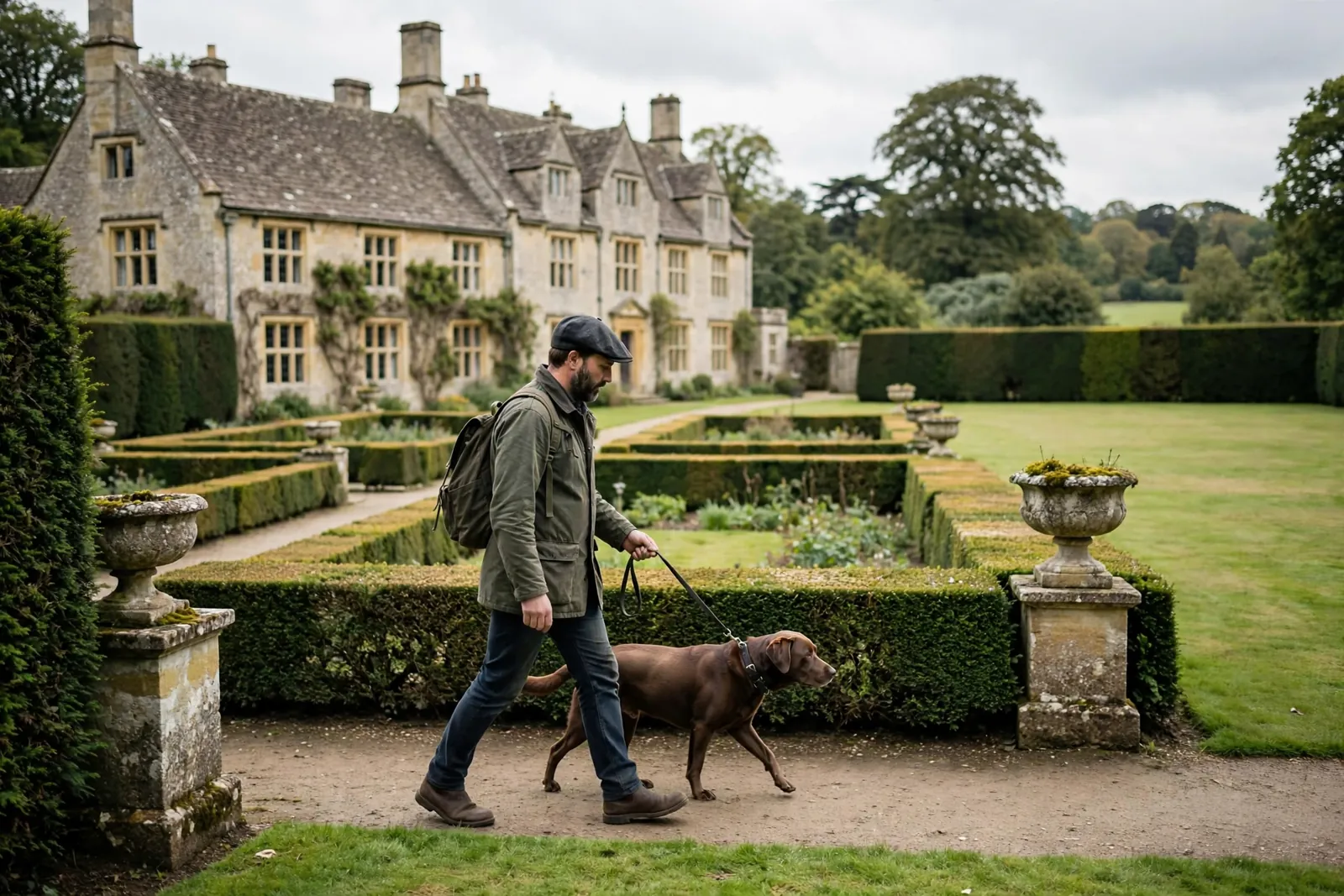
Gardens are where the variation is widest. At many properties dogs on a short lead are welcome throughout the garden, following the same paths as other visitors. At others, formal gardens, walled gardens, kitchen gardens in production, or areas with delicate planting exclude dogs entirely, while parkland beyond the garden fence is open. Some properties route dog walkers around the outside of the formal garden to a parkland entrance, which is fine if you know in advance and frustrating if you discover it at the gate with a dog already excited for a walk.
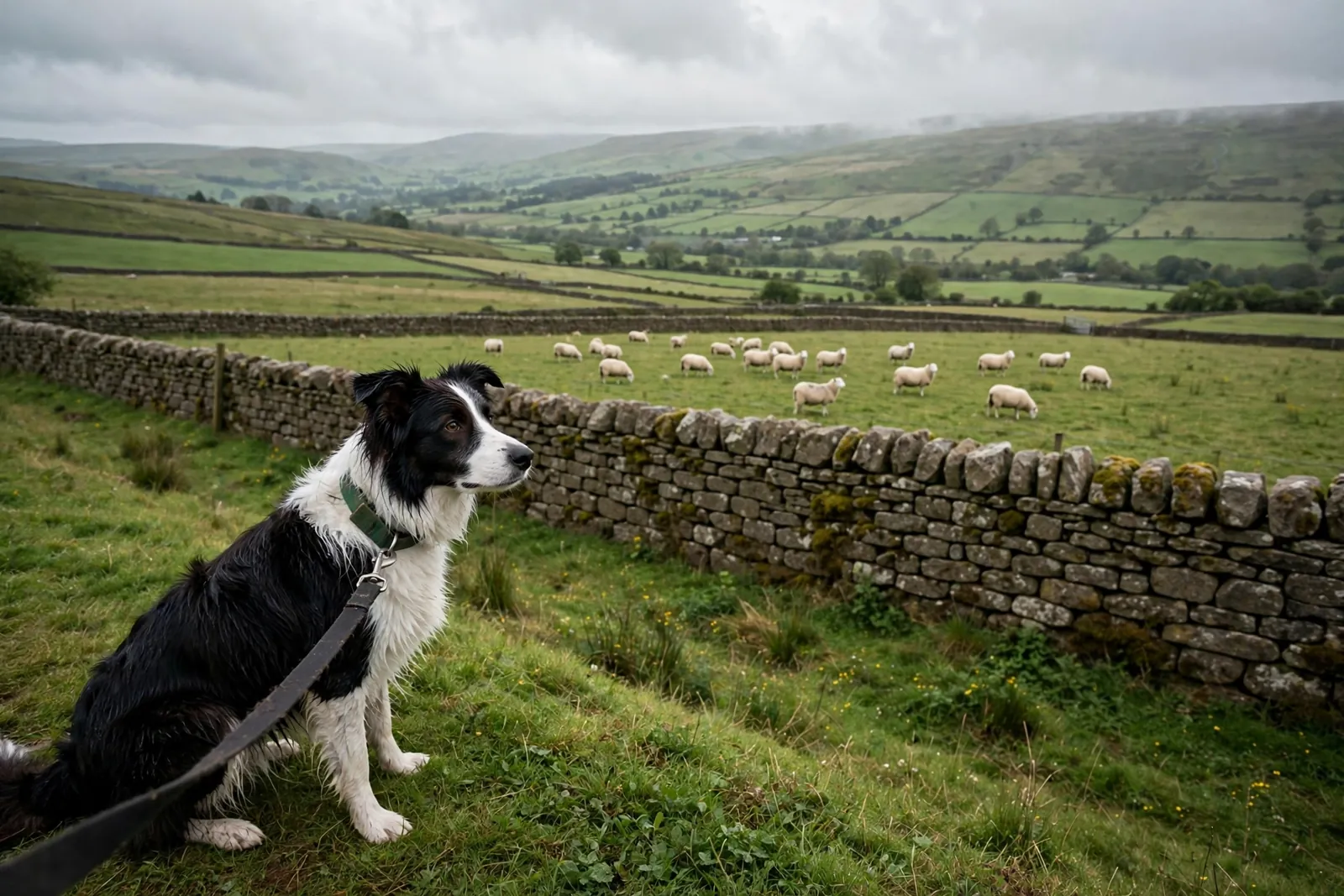
Parkland and wider estate land is usually the most generous space, but it comes with livestock and wildlife conditions. Deer parks require particular care: keep a much greater distance than you think you need, keep the dog on a short lead, and avoid getting between animals and their young in spring and early summer. Where sheep or cattle graze, the lead rule is not a courtesy but a safety and legal matter. Our guide to the livestock worrying law for dog owners explains why even a friendly, playful chase can be treated seriously, and why a short lead near livestock protects your dog as much as the farm animals.
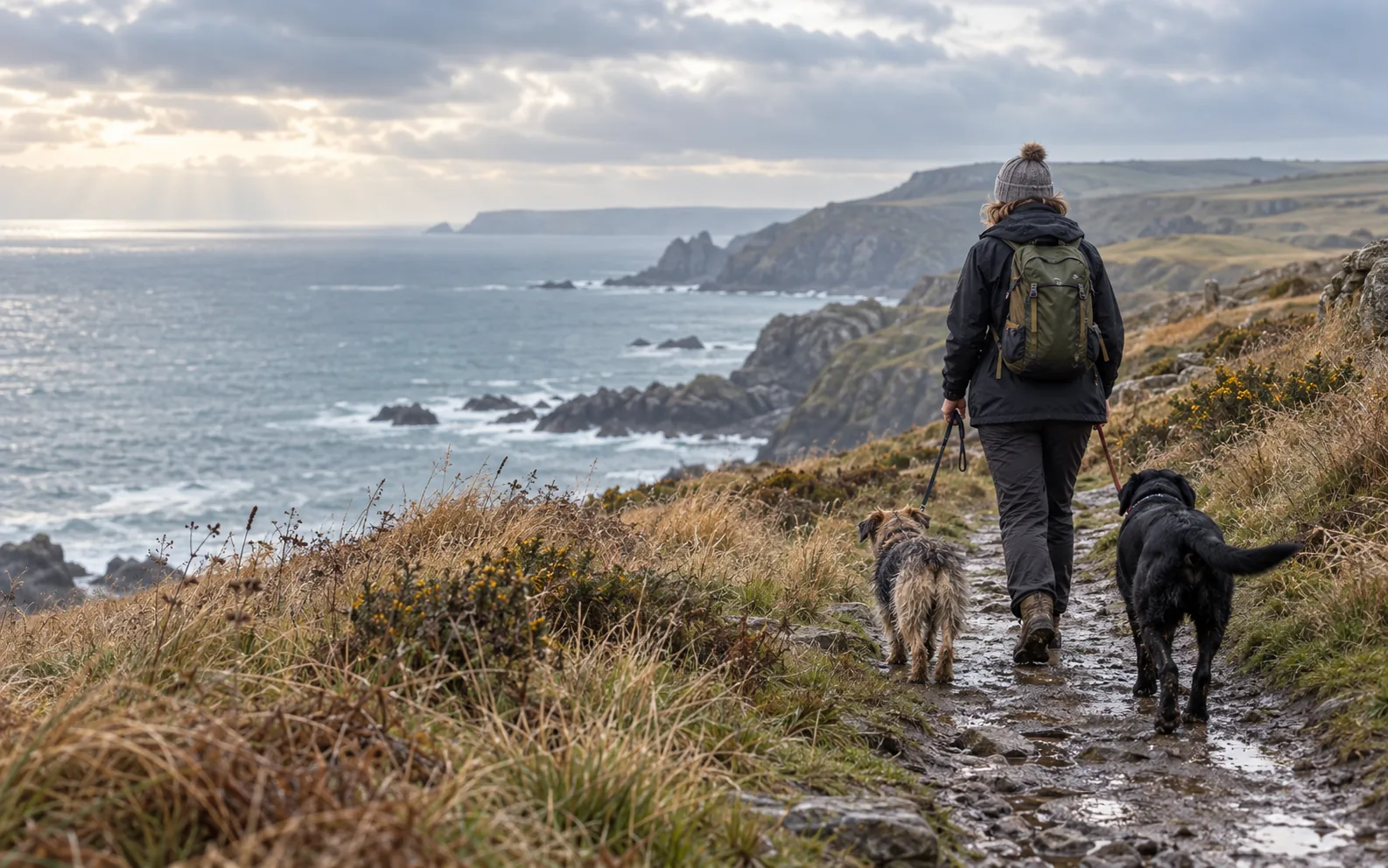
Coastal and countryside places managed by the Trust add another layer. Dogs may be welcome on estate paths all year while a linked beach has its own seasonal restriction, or a cliff-top route may be open while a nature reserve section is closed during nesting season. Do not transfer a rule from one part of a visit to another. If your day combines a Trust property with a beach, check both sets of rules separately; our overview of dog-friendly beaches and UK rules covers how seasonal beach bans and lead zones usually work, and the property page will confirm the local arrangement.
Houses and indoor spaces
The historic house is the area most likely to exclude pet dogs, and it helps to plan on that basis. Houses contain fragile collections, historic textiles and floors, and narrow routes where a wet, muddy or startled dog can cause damage that cannot be repaired. For that reason pet dogs are normally not allowed inside the house itself, even at otherwise very dog-friendly properties. Some places offer a shaded waiting area, hitching points outside, or a suggested split-visit system so members of a group can take turns going inside while one person stays with the dog. For heritage days out beyond National Trust houses, see our guides to dogs at abbeys and dogs in castles in England.
Never leave a dog unattended in a car while the rest of the group tours the house, and do not tie a dog up and leave it alone in a busy courtyard unless the property explicitly provides a supervised or designated waiting arrangement and you are comfortable with it. A better pattern for a two-adult group is to alternate: one person visits the house while the other explores the garden or parkland with the dog, then swap. For a solo visitor, choose properties where the garden and estate are the main attraction, or check whether the property runs specific dog-friendly house opening sessions. A small number of places occasionally open selected rooms or ground-floor routes to dogs on a lead on specified days or in quieter seasons. Those sessions are the exception, they are advertised per property, and they can be withdrawn, so check the latest official guidance before you travel rather than relying on a social media post from a previous year.
Assistance dogs are different. They are generally welcome inside houses and other areas closed to pet dogs, because they are working with their handler. If step-free access, seating or a quieter entry time would help, contact the property ahead of the visit: historic buildings often have an accessible route that is not the main visitor route, and staff can advise on the day. Exhibition spaces, second-hand bookshops, galleries and plant sales areas each set their own position, so read signage as you move between buildings rather than assuming the garden rule follows you indoors.
Cafes, shops and facilities
Cafe access is the detail that most affects whether a National Trust day feels relaxed or awkward, and it is also the detail that varies most between properties. Some cafes welcome dogs inside throughout, some have a designated dog-friendly section or a covered outdoor area, some allow dogs only on an open terrace, and some do not allow pet dogs in any eating area. Food hygiene, space and building layout all influence the decision. The property page usually states the cafe position in its dogs section; if it only says dogs are welcome in the grounds, assume cafe access is outdoor-only until confirmed.
Shops follow a similar pattern. Larger shops at some properties allow dogs on a lead, while smaller shops, food shops and plant shops often do not. Toilets and indoor visitor reception areas normally exclude pet dogs except assistance dogs, although reception staff can usually point you to the nearest dog-friendly route, water point and bin. Good dog facilities to look for on the property page include water bowls or a water tap, dog bins on the main routes, hitching rings near cafe terraces, shaded waiting areas, and in a few places a dog wash that is genuinely useful after a muddy parkland walk in winter.
Practical cafe etiquette makes future access more likely for everyone. Keep the dog on a short lead, settled under or beside your table, and out of walkways, serving routes and other visitors' space. Do not let a dog sit on chairs or benches, beg at neighbouring tables, or drink from cups intended for people. Take a mat or blanket if your dog settles better on one, bring your own water bowl if bowls on site are busy, and leave promptly if your dog is unsettled, barking or lunging at other dogs. A terrace in October rain is also a planning point: if cafe access is outdoor-only and the forecast is poor, a weekend break plan with a weather backup is worth more than hoping the rain holds off until after lunch.
Leads, control and behaviour
Expect a short lead to be the default almost everywhere that matters. Gardens, courtyards, car parks, cafes, shops where dogs are allowed, and any area near livestock, deer or ground-nesting birds should be treated as short-lead areas, even if a sign does not repeat the instruction at every gate. A short lead means a standard lead held so the dog walks close beside you, not a retractable lead extended to its full length. Retractable leads are a poor fit for gardens and busy paths: they allow a dog to dart into planting, wrap around other visitors, or reach livestock before the owner can react. Many properties explicitly ask for a short, non-extendable lead.
Off-lead exercise, where a property offers it, is confined to signed areas such as a dedicated dog field or a specified section of parkland away from livestock. An unsigned field is not an invitation. If there is no off-lead area, build exercise into the wider day: use local public footpaths outside the property where your dog can be under close control in line with countryside rules, or choose a three-pawprint property with a designated exercise area if off-lead time is essential to your dog's day.
Control also means the basics done consistently. Clear up after your dog everywhere, including parkland and woodland paths, and use the dog bins provided or take waste home; properties are working landscapes and homes for wildlife, not just walks. Keep dogs out of ponds, lakes and water features unless a designated dog swim area is signed, both for water quality and to protect wildlife. Keep distance from other dogs in queues and at gates, and be ready to step aside; not every dog at a busy property is comfortable with close greetings, and historic gardens rarely offer wide passing places. If your dog is reactive, choose larger parkland properties at quieter times rather than small formal gardens at midday, and be honest about whether a house-and-garden day suits your dog at all.
Seasonal rules and closures
The same property can have three different dog policies across a year, because seasons change what needs protecting. In spring, lambing, calving and ground-nesting birds bring tighter lead rules and temporary path closures in parkland and on estate farmland. Some areas that allow dogs off a lead in winter become lead-only, and a few routes close completely for a few weeks. In summer, gardens are at their busiest, cafe terraces fill, and heat becomes the limiting factor: there may be little shade on a formal garden route, water points can be busy, and hot gravel or paving is hard on paws. Visit early or late, carry water for the dog as well as for people, and never leave a dog in a parked car, even for a short house visit.
Autumn brings deer rutting season in deer parks, when stags are unpredictable and properties may close or reroute parkland paths, extend lead requirements, or advise dog walkers to use entirely different entrances. Winter brings shorter opening hours, whole-property closure days, muddy routes that are closed to protect paths, and cafes or shops running reduced service. Christmas and event days, from illuminated garden trails to running events and fairs, often change dog access for the day: some evening events exclude dogs for crowd safety, while some daytime events welcome them with extra conditions.
The lesson is not to memorise a calendar but to distrust old information. A blog post, a saved screenshot or a friend's visit from last season is background, not confirmation. Opening times, pawprint ratings and area-by-area access are all revised. Before any journey that matters, and especially before a long drive, check the latest official guidance before you travel on the property's own page, including any banner notices about closures on your chosen date.
Check each property page: a five-minute routine
A short routine turns the pawprint system into a reliable plan. It takes about five minutes per property and prevents the most common disappointment: arriving to find the dog can go almost nowhere you intended to visit.
- Find the pawprint rating on the property page and note it, but do not stop there.
- Read the full dogs section. Look for named areas: garden, house, cafe, shop, parkland and any off-lead area. A sentence that names areas is worth more than a general welcome.
- Check lead wording. Note whether a short lead is required everywhere, only in the garden, or only near livestock, and whether retractable leads are mentioned.
- Check facilities. Water, bins, hitching points, dog wash and shaded waiting areas change how long a visit can comfortably last.
- Check the date. Look at opening times, closure notices and event listings for the exact day, not a typical week.
- Plan the house swap. If the house is a priority, decide in advance who stays with the dog and what that person will do; parkland first, house second usually works best.
- Save the page. Mobile signal at rural properties can be poor. Screenshot the dogs section and opening times before you set off.
If anything is unclear, contact the property directly before travelling. A short email or call asking whether dogs may enter the cafe itself, whether the garden route is step-free with a dog, or whether a deer park path is currently closed will get a specific answer from the team who manage that place. Keep the reply with your booking or membership details so you can refer to it on the day if signage differs. The Trust's dog-friendly page links through to every property page, so it is the fastest starting point for this routine.
Plan a smooth visit
The best National Trust dog days are structured around the dog's access, not squeezed around it. Start with the area the dog will enjoy most, usually the parkland or garden, while the dog is fresh and the property is quiet. Put the house visit, if your group is splitting, in the middle of the day, and finish with the cafe terrace while the dog rests on a mat. That order avoids the classic failure mode of arriving, discovering the dog cannot enter the house or cafe, and then trying to reorganise the whole day at the ticket office.
Pack for a property day rather than a normal walk. Bring a short lead plus a spare, poo bags in more than one pocket, water and a portable bowl even if the property provides bowls, a towel and a mat for cafe settling, and a familiar chew or lick mat for waiting periods. In summer add shade planning and paw checks on hot surfaces; in winter add a dog coat if your dog feels the cold while standing in queues, and expect mud at gateways and car parks. Members and non-members alike should check parking arrangements, as some properties charge for parking separately or require booking at peak times, and those arrangements can change by season.
Finally, leave the place easier for the next dog owner. Follow local signage even when it differs from the website, keep to paths where asked, close gates, and keep dogs away from livestock, wildlife and other visitors who want distance. Dog access at historic places survives because most owners use it carefully. A property that trusts dog owners keeps its pawprints; one that has repeated problems quietly reduces access. Reading the rating properly, checking each property page, and treating a short lead as the normal starting point will get you more good days out, in more beautiful places, than any shortcut. If any detail in this guide conflicts with what a property publishes, follow the property and check the latest official guidance before you travel.
Keep exploring
Castle country is covered in depth in our Northumberland guide, including Bamburgh beaches and the Holy Island tidal causeway. See: Northumberland with a dog.
Practical questions
Before you go
Are dogs allowed at all National Trust places?
No. Many National Trust places welcome dogs in outdoor areas, but access varies by property and some places, areas or seasons do not allow pet dogs at all. Assistance dogs are treated differently. Always check the individual property page for its pawprint rating and its dogs section before you travel, and check the latest official guidance before you travel.
What do the National Trust pawprint ratings mean?
In general terms, three pawprints indicates a place that is very dog-friendly with wide access and facilities, two pawprints indicates dogs are welcome in many areas with some restrictions, and one pawprint indicates limited dog access, often outdoors only and on a lead. The exact meaning is set out on each property page, so read that page rather than relying on the rating alone.
Can dogs go inside National Trust houses and cafes?
Usually not inside the historic house, where collections and confined rooms mean pet dogs are normally excluded. Cafe access varies: some properties allow dogs inside a cafe or in a designated indoor area, others allow them only on an outdoor terrace or not at all. Check the property page and signage on the day, and never assume last year's rule still applies.
Do dogs have to be on a lead at National Trust places?
Expect to use a short lead in gardens, parkland near livestock, car parks, courtyards and busy areas, even where dogs are welcome. Some properties specify a short lead everywhere. Off-lead areas, where they exist, are limited and signed. Keep dogs under close control around livestock and wildlife at all times.
Are assistance dogs allowed where pet dogs are not?
Yes, assistance dogs are generally welcome in areas where pet dogs are not, including houses and cafes, because they are working dogs supporting their handler. Properties may still ask about access needs to help plan a visit. If you rely on an assistance dog, contact the property in advance for step-free routes and facilities, and check the latest official guidance before you travel.
How do I check the dog rules for one National Trust property before I go?
Open that property's own page on the National Trust website and read its dogs section, plus the pawprint rating: it states where dogs can go and where leads are required. Rules vary by season, so check again close to your visit rather than relying on a general guide.
What can dogs actually do at a 3-pawprint, 2-pawprint and 1-pawprint place, and where is that place's rating shown?
3 pawprints (Best) means dogs can go to most areas, including indoors for a cup of tea, with clearly marked dog-friendly areas. 2 pawprints (Good) means there are water bowls, bins and dog walks, dogs can go to some areas, and tea is usually outdoors. 1 pawprint (Standard) means dogs are welcome but facilities are limited, mainly walks in nearby open space, and access can be seasonal. Each property's rating is shown in the visitor information section of its own page on the National Trust website. Across the National Trust, 87% of places welcome pet dogs. See the official National Trust guidance on visiting with your dog for the current wording before you travel.