This guide is independent and contains no paid placement. Policies change often, so confirm dog rules directly before you book or travel.
Yes, but only in two products. YHA accepts dogs only in Camping & Cabins stays at £10 per dog per night, or Exclusive Hire whole-property bookings at £50 per dog per stay — never in hostel bedrooms or shared dormitories. Book the exact product that allows dogs and confirm charges in writing before you travel.
The myth: if a hostel is in the countryside, dogs must be welcome
Many walkers assume a rural hostel surrounded by fields will naturally accept dogs. That assumption causes more disappointed arrivals than any other budget-travel mistake. Youth hostels are shared buildings with dormitories, communal kitchens and drying rooms used by strangers, school groups and families at the same time. A dog that is unremarkable in a private cottage becomes a shared-space question in a hostel, which is why acceptance is decided hostel by hostel and room type by room type, not by location alone.
The useful starting point is to separate three different offers that are often lumped together. First, a private room inside the main building. Second, an annexe, camping barn, pod or bell tent on the hostel grounds. Third, camping in the grounds with your own tent. A hostel may accept dogs in one of these and refuse them in the others, and the booking engine may show the property as dog-friendly without making that distinction obvious at first glance.
Treat every general statement, including this guide, as a prompt to check the specific property. YHA policies and participating hostels change, individual managers set practical limits, and seasonal group bookings can close options that were open in a quieter month. Before you pay, read the individual hostel page in full and then confirm by email or phone. Keep that reply with your booking confirmation. If the answer is vague, treat it as a no until you have a specific yes for a specific room on specific dates. That caution also helps when you compare hostels with other budget options in our cheap dog-friendly holidays guide.
Where dogs are most likely to be accepted
Private rooms are the most common route inside a main building. A two-bed or family private room gives the hostel a contained space, a door that closes, and no strangers sharing bunks with an unfamiliar dog. Shared dormitories are a different matter: other guests have not consented to sleep beside a dog, allergies and night-time disturbance are real concerns, and most hostels therefore exclude dogs from dormitory beds even when they welcome them elsewhere in the property.
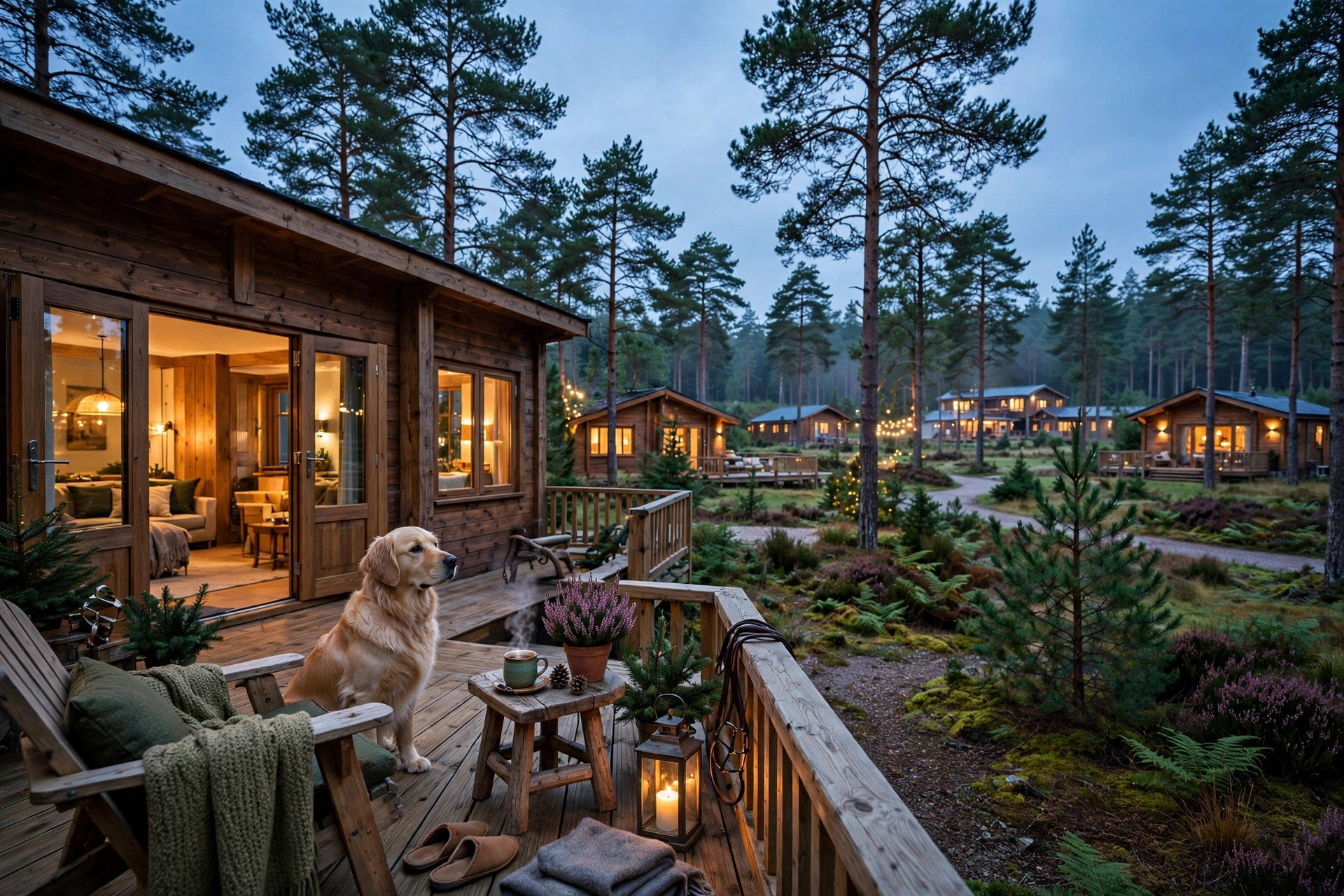
Camping barns, pods and external annexes are often more flexible because they separate sleeping space from the main communal areas. They also suit dogs that struggle with corridor noise, because there are fewer doors slamming and fewer boots passing at midnight. The trade-off is facilities: you may share toilets and showers in the main building, cook in a simpler kitchen, and walk across a dark yard for the last toilet trip. For many dogs that trade is worth making, but check the surface, lighting and distance honestly.
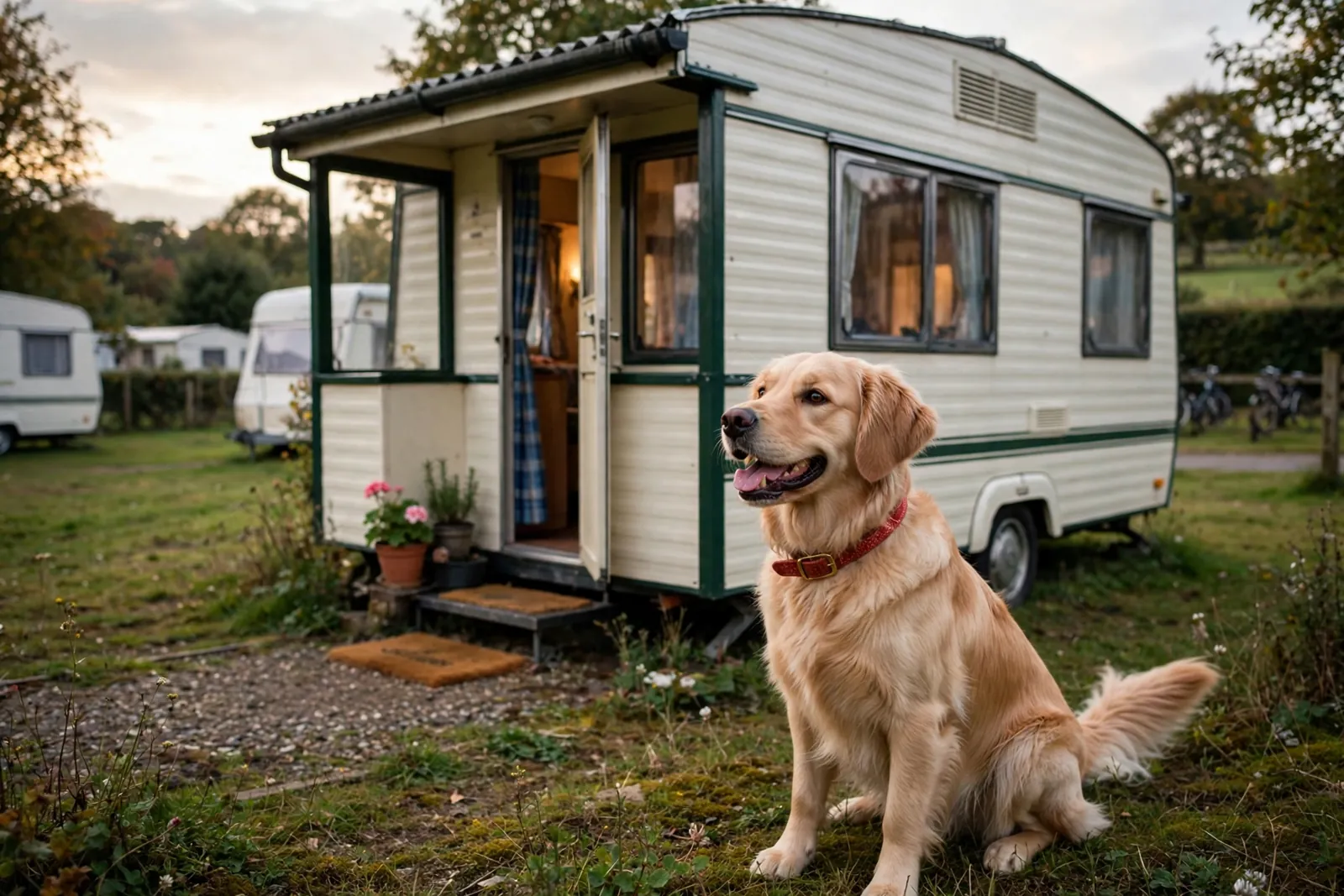
Grounds camping can be the simplest option of all if your dog already camps happily. You control the sleeping space, the dog sleeps in familiar kit, and early or late toilet walks need no corridor negotiation. The questions shift to practical ones: is there a maximum stay, are leads required everywhere on site, where are water taps and waste bins, and what happens in severe weather. A dog that barks at every tent zip will not become quiet because the pitch was cheap, so choose camping only if the basic routine already works at home or on a practice night nearby. For walking bases in the Lake District, see our guides to Ambleside with a dog and Coniston with a dog.
Booking step by step: lock the right room, not just any room
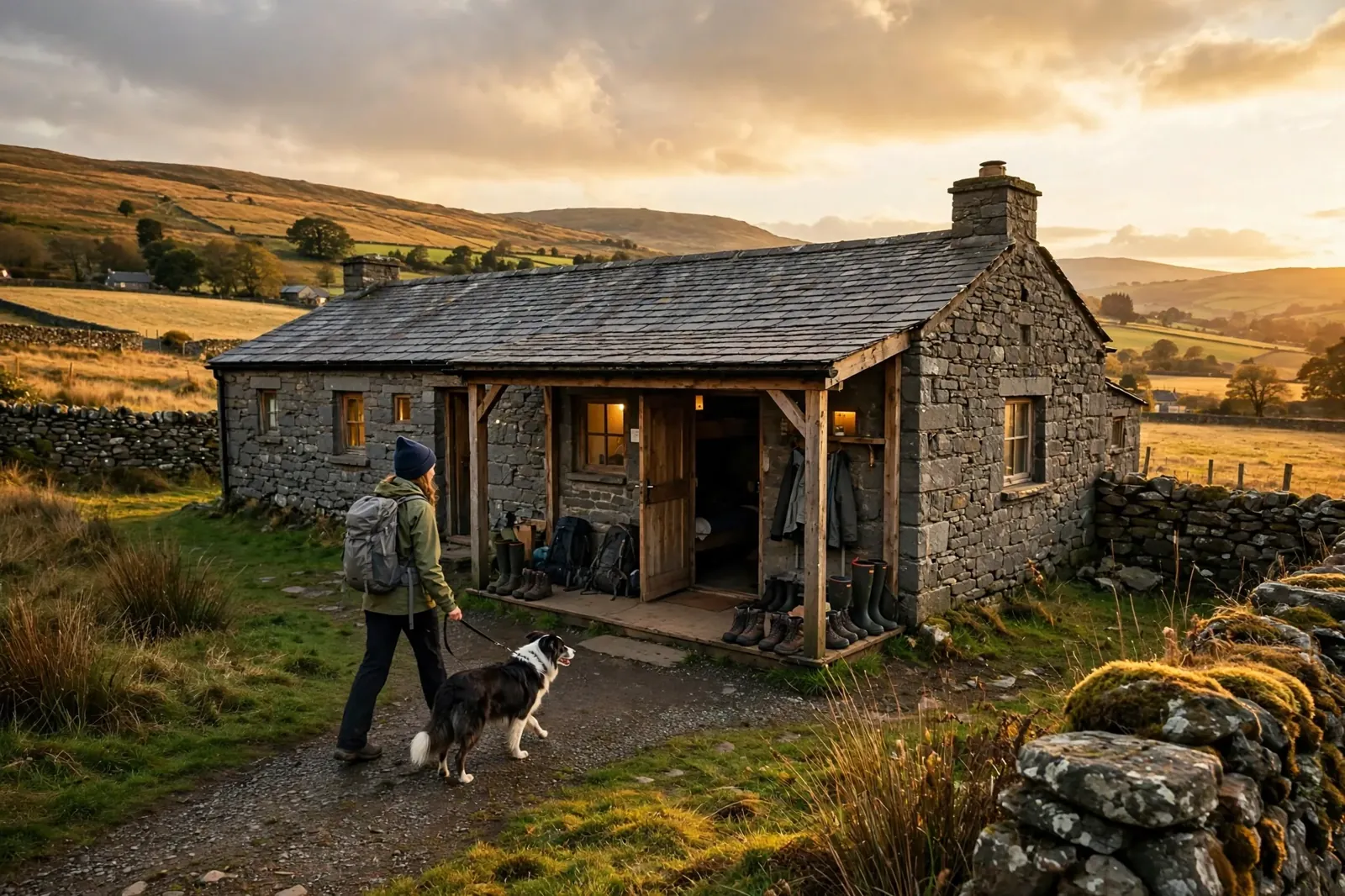
Step one is to shortlist by walk, not by price alone. A hostel that saves ten pounds but sits on a fast road with no safe evening walk will cost you calm every night. Look for a footpath from the door, a small area where a dog can toilet on a lead without crossing traffic, and a drying space for wet kit. Hostels on established trails usually understand muddy boots and wet dogs better than town-centre properties built around nightlife.
Step two is to book the exact product. Filter for private rooms or the specific annexe or pod, select the dog option if the booking path offers one, and add a note naming your dog breed, size and number of dogs. One well-behaved dog is a very different request from two large dogs in a small twin room, and honesty at this stage prevents a difficult conversation at reception. If the online path has no dog field at all, phone before paying rather than adding a note after a non-refundable payment.
Step three is to confirm four things in writing: the per-dog or per-stay charge, whether dogs may enter the dining room or lounge, where the dog sleeps and whether bedding is provided, and the rule on leaving a dog unattended. Hostels rarely allow unattended dogs in rooms because housekeeping, fire procedures and noise complaints make it risky. Plan your evenings around that answer. If you want a pub meal without the dog, a hostel without an unattended-dog option is the wrong base, however cheap the bed.
Finally, note check-in times. Many hostels lock doors or staff reception only at set hours, and arriving late with a tired dog to a closed building is a miserable start. Aim to arrive in daylight, walk the immediate area first, and let the dog understand the building before the evening rush fills the kitchen and corridors.
Communal areas: the part that decides whether the stay works
A hostel stay succeeds or fails in shared space. Kitchens are busy, fragrant and full of dropped food. Lounges have other people on sofas who may not want a wet dog shaking beside them. Corridors echo. Your job is to make your dog the least noticeable guest in the building: short lead indoors, no lead trailing across walkways, no dog on furniture unless staff explicitly invite it, and a settle mat that tells the dog exactly where its place is.
Food hygiene rules shape kitchen access. Some hostels allow dogs in dining areas but not in self-catering kitchens where food is prepared, others allow them throughout on a lead, and some restrict them to bedrooms and outdoor space. Do not guess from the presence of a friendly resident dog, which may belong to staff and live under different arrangements. Ask at check-in, watch for signs, and if the kitchen is off limits, adapt simply: one person cooks while the other stays with the dog, or eat earlier when the room is quieter and staff have agreed a corner table.
Noise travels in hostels in a way it does not in a cottage. Thin walls, bunk rooms and early walkers mean a dog that barks at corridor sounds at two in the morning affects twenty people, not two. Choose a room away from the main stair and kitchen door if you can request it, keep a familiar bedtime routine, and give the dog a proper walk before bed rather than a token loop of the car park. White-noise from a phone, a covered crate for a crate-trained dog, and a chew reserved for bedtime all help, but none substitutes for tiredness and familiarity.
What to pack when you cannot spread out
Hostel rooms are compact, so pack for containment rather than comfort sprawl. A flat settle mat that rolls small, a lightweight blanket carrying home scent, a short fixed lead for indoors and a longer line for outdoor sniffing where permitted cover most situations. Bring a lidded container for food so smells do not fill a small room, measured portions in bags to avoid decanting in a busy kitchen, and a sealed treat pouch rather than an open bag in your rucksack pocket.
Mud management matters more than extra toys. Pack two towels dedicated to the dog, paw wipes for corridor floors, and a dry bag for wet kit so damp dog gear does not share the drying room unbagged if staff prefer it separate. A headtorch keeps hands free for leads and doors on the last walk. Poop bags belong in every pocket, plus a small sealed container for carrying a used bag on a walk where bins are sparse, a habit that also helps on longer routes described in our weekend breaks with dogs guide.
Documents are light but useful. Carry vaccination details on your phone, your vet number, and the number of a vet near the hostel saved offline, because rural signal is unreliable exactly when you need it. If your dog takes medication, keep it in your hand luggage equivalent, the bag that never leaves your side, and tell reception if there is anything they should know in an emergency, for example that the dog is deaf or fearful of strangers approaching quickly.
Costs: cheap bed, honest maths
Hostels earn their budget reputation at the bed price, but the dog changes the comparison. Add any per-night or per-stay dog charge, private-room premium if you would otherwise have taken a dorm bed, parking, bedding or towel hire if not included, and food. Self-catering saves money only if kitchen rules let you use the kitchen comfortably with a dog in the building. Price the whole stay against a basic dog-friendly room elsewhere before deciding the hostel wins.
Membership and advance deals can reduce bed prices, but check whether dog charges sit outside those discounts. Also check cancellation terms carefully. The cheapest advance rates are often non-refundable, which is a poor match for a first hostel experiment with a dog you are not yet sure will settle in a shared building. Paying slightly more for a flexible first stay is often the cheaper decision in the long run, because a failed non-refundable booking teaches you nothing except to avoid the format you might have enjoyed in the right property.
Group bookings deserve a special check. School and club groups can fill a hostel, change its atmosphere and sometimes come with exclusive-use arrangements that alter dog access. If your dates sit in school holidays or a popular walking festival week, ask what else is booked in. A quiet midweek in term time is the kindest introduction for both dog and owner, and usually the cheapest as well.
Which dogs suit hostels, and which honestly do not
Hostels suit dogs that settle on a mat in busy rooms, ignore strangers at close quarters, sleep through corridor noise and toilet quickly on a lead in unfamiliar places. Dogs that travel widely, visit cafes calmly and have slept in tents, vans and friends houses usually transfer those skills without drama. Age alone decides little: a steady older dog may love the routine, while a young dog in the middle of an excitable phase may find every corridor a new game.
Be honest about harder profiles. A dog that guards resources, reacts to dogs in confined spaces, barks persistently at night noises or cannot be left for a shower without distress will struggle, and so will everyone within earshot. That is not a failure of training or character, it is a mismatch of format. Choose a self-contained annexe, a pod, or a different stay type this time, and build shared-space skills gradually at home and in cafes before trying a main-building room.
Puppies need extra thought. House training in a building with shared floors, night toilets down a corridor, and other guests belongings at nose height is demanding, and vaccination and chewing rules may apply. Many owners find a puppy first trip works better somewhere with a door straight outside. If you do choose a hostel, pick the shortest possible stay, a ground-floor private room if available, and a location with an immediate outdoor toilet area.
Arrival and first evening: a calm routine that works
Arrive, park, and walk before you check in if reception timing allows. A fifteen-minute sniff around the grounds, a drink of water and a toilet break will lower arousal more than any amount of shushing indoors. At check-in, ask staff to confirm the current dog areas, the nearest bin, the fire assembly point procedure with a dog, and any rooms or corridors to avoid. Staff appreciate an owner who asks early far more than one who apologises later.
Set the room up before the dog explores the building. Bed and mat in a corner away from the door, water bowl on a towel, food and chews stored closed, lead hung by the door, towel ready for wet paws. Walk the dog through the building once, calmly, at a quiet moment if you can, so corridors and kitchen smells are not first met at peak dinner time with arms full of pans.
Keep the first evening deliberately plain. Cook something simple or eat where the dog can settle beside you, take a proper last walk along a route you have already seen in daylight, and stick close to home bedtime. Hostel trips improve quickly after night one because the building becomes familiar. Protect that learning by not stacking a long drive, a huge walk, a busy lounge and a new sleeping place into a single exhausting day unless your dog already thrives on exactly that kind of day.
Official fees and limits worth knowing before you book
Two national operators publish exact dog charges, and these are the numbers to budget with rather than a generic "small fee". YHA charges £10 per dog per night for Camping & Cabins stays (pitching your own tent is free), £50 per dog per stay for Exclusive Hire, with a maximum of 2 dogs per Camping & Cabins booking and 4 per Exclusive Hire booking; dogs sleep in the camping and cabin products rather than in hostel bedrooms, and must stay on a short lead of 6ft or less. Hostelling Scotland's 17 WoofHostels charge £7.50 per dog per night, allow a maximum of 2 dogs per room, and do not allow dogs in shared dorms. On leaving dogs alone, YHA does not allow it at any time, while Hostelling Scotland allows at most 1 hour alone in the bedroom and requires owners never to leave the premises without their dog. Check the individual property before paying, because participating hostels and exclusions change: YHA lists the hostels excluded from each product in its dogs policy, and Hostelling Scotland lists its 17 WoofHostels on its dog-friendly page.
Room types at a glance: dogs and charges
The table below summarises the official fees and limits from YHA and Hostelling Scotland. Individual properties may be excluded from a product, so check the property page before paying.
| Room type | Dogs accepted? | Fee and limits (official figures) |
|---|---|---|
| Camping & Cabins — camping barns and cabins (YHA) | Yes | £10 per dog per night; maximum 2 dogs per booking |
| Cabins and glamping pods (YHA) | Yes | £10 per dog per night |
| Own tent, pitch-up camping (YHA) | Yes | Free |
| Exclusive Hire, whole property (YHA) | Yes, except at listed excluded properties | £50 per dog per stay; maximum 4 dogs per booking |
| WoofHostels, Scotland (17 hostels) | Yes, in private rooms only — not in shared dorms | £7.50 per dog per night; maximum 2 dogs per room |
Figures checked against the YHA dogs policy and Hostelling Scotland dog-friendly page in October 2026; always confirm the latest official guidance before you travel.
Practical questions
Before you go
Are dogs allowed in all YHA hostels?
No. Only some hostels accept dogs, and under YHA's current policy dogs stay only in Camping & Cabins products or Exclusive Hire whole-property bookings, not in hostel bedrooms. Always check the individual hostel page and confirm your exact stay type accepts dogs before you pay, and check the official YHA guidance again close to travel because participating hostels can change.
Can my dog sleep in a shared dormitory?
No. Shared dormitories involve strangers who have not agreed to sleep beside a dog, and YHA does not allow dogs in dormitory beds or ordinary hostel bedrooms. Dogs stay in Camping & Cabins products or Exclusive Hire bookings instead. If a dormitory bed is the only option at your chosen hostel, assume you need a different property or stay type.
How much does it cost to bring a dog to a hostel?
Charges vary by hostel and by stay type, so there is no single reliable figure. YHA charges £10 per dog per night for Camping & Cabins stays and £50 per dog per stay for Exclusive Hire. Ask for the dog charge in writing for your dates, and compare the total with other budget stays before deciding the hostel is the cheapest option.
Can I leave my dog alone in a hostel room?
Plan on no. Many hostels prohibit unattended dogs because of noise, housekeeping access and fire procedures, and even where a short absence is tolerated it is rarely suitable for a dog new to the building. Arrange showers, cooking and evenings so someone stays with the dog, or choose accommodation where the written rule clearly allows brief absences.
Are assistance dogs treated the same as pet dogs?
No. Assistance dogs are not pets and should be welcomed more widely, including in places that do not accept pet dogs. Contact the hostel in advance so staff can prepare the most suitable room and facilities, and check the official latest guidance before travel if you need specific access details.
What if my dog does not settle on the first night?
Walk, toilet and resettle with the home routine first, and keep stimulation low. If barking persists, take the dog outside to settle rather than letting noise build in a corridor of sleeping guests, and speak to staff early about a room move or outdoor alternative. For future trips, choose external accommodation or a quieter midweek stay and build shared-space settling skills gradually.
Which YHA stays allow dogs, and how do the dog charges differ?
Under YHA's current dogs policy, dogs are only allowed in Camping & Cabins products — campsites, cabins, bell tents, pods and similar stays — and in Exclusive Hire whole-property bookings. They cannot stay in ordinary dormitories or hostel bedrooms. Camping & Cabins charges £10 per dog per night, except for pitch-up campsites, while Exclusive Hire charges £50 per dog for the whole stay. Camping & Cabins allows a maximum of 2 dogs and Exclusive Hire allows a maximum of 4 dogs. In communal areas, apart from kitchens, dogs are welcome but must stay on a short lead of 6 feet or less. See the official YHA dogs policy for the current wording before you book.